





Switch to Smarter Cooking Methods
The single biggest way to cut down on oil consumption is to move away from deep-frying. Air frying can give you crispy samosas, pakoras, and chips with up to 80% less oil. Similarly, steaming is a zero-oil method that works perfectly for dishes like dhokla,
idli, fish, and vegetables, preserving nutrients without adding fat. Other methods like baking, grilling, and pressure cooking also drastically reduce the need for oil, helping you cook healthier meals while saving money.
Invest in the Right Cookware
Your pots and pans play a significant role in how much oil you use. A good non-stick or well-seasoned cast iron pan can reduce your oil requirement by as much as 70% compared to a standard steel kadai because food is less likely to stick. This one-time investment can lead to daily savings, as you'll naturally need less oil to sauté vegetables or make a tadka.
Measure Your Oil, Don't Pour It
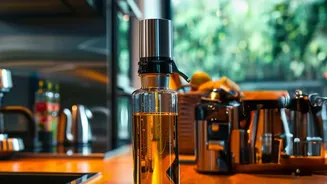
It's a common habit to pour oil directly from the bottle into the pan, but this often leads to using far more than necessary. A careful pour can still be one or two tablespoons. Instead, get into the habit of measuring oil with a spoon. For an even finer coating, you can use an oil mister or a spray bottle. A quick spray can cover the entire surface of a pan with less than half a teaspoon of oil, giving you the same cooking results with a fraction of the fat.
Use Water or Stock, Not More Oil
When you're cooking a masala base and it starts to stick or look dry, the natural instinct is to add another splash of oil. A better and cheaper alternative is to add a tablespoon or two of water, vegetable stock, or tomato puree. This technique, known as deglazing, lifts the flavourful browned bits from the bottom of the pan and adds moisture, allowing the food to cook perfectly without any extra fat.
Choose Your Oil Wisely
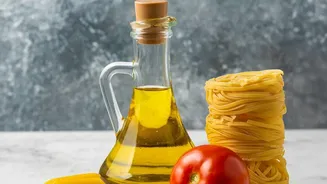
Not all oils are created equal when it comes to price and flavour. Domestically produced oils like mustard, soybean, and sunflower oil are often more budget-friendly than imported varieties. Mustard oil, with its strong aroma, means you can often use less to achieve the desired flavour. Similarly, cold-pressed oils can be more flavourful than refined oils, meaning a smaller quantity is needed to make an impact. Keep an eye on prices and consider buying larger, more economical packs of oils with a long shelf life.
Dry Roast Spices for Maximum Flavour
A great deal of flavour in Indian cooking comes from spices, and they don't always need oil to release their magic. Toasting whole spices like cumin, mustard, and coriander seeds in a dry, hot pan for 30-40 seconds makes them incredibly fragrant. Their essential oils are released by the heat, not the fat. By dry roasting first, you can get a powerful flavour base for your curries and dals while using significantly less oil in the final tadka.
Explore Low-Oil Recipes
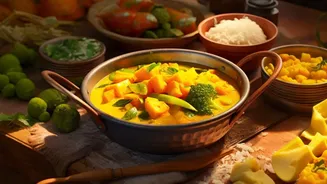
Many traditional Indian dishes are naturally low in oil. Recipes like tomato rasam, one-pot masoor dal, and baingan bharta require minimal to no fat to deliver incredible flavour. Alternating heavier curries with lighter dishes like sambar or various dals can help you manage your oil consumption without feeling like you're missing out. Planning your meals for the week is a great way to incorporate these lighter options and control your grocery spending.