



The Slow Fade of the 'Showpiece' Room
For decades, the living room in many Indian homes served a singular, formal purpose: to impress guests. It was a room of grand proportions, featuring imposing sofa sets, ornate centre tables, and vast, empty floors that projected affluence. This space
was often kept under lock and key, or its furniture was sheathed in plastic, making it a static display rather than a part of daily family life. This approach stemmed from a time when the home was a primary indicator of social standing, and the living room was its public face. However, this long-held idea of luxury—equating size and formality with status—is rapidly being questioned by a new generation of homeowners.
The Pandemic-Driven Push for Practicality
The COVID-19 pandemic acted as a powerful catalyst for this ongoing shift. As lockdowns confined families to their homes, living spaces had to transform overnight. The drawing room could no longer remain a decorative, untouched chamber; it was conscripted into service as a home office, a classroom, a gym, and a family entertainment hub. This intense, prolonged period of home-centric life forced a mass re-evaluation of what a home should do. Functionality and comfort became non-negotiable, accelerating a trend away from performative design and toward spaces that actively support daily routines and emotional well-being.
What 'Lived-In' Actually Looks Like
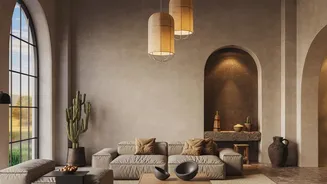
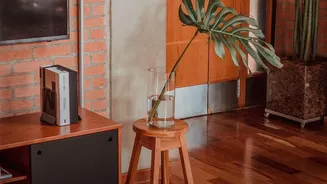
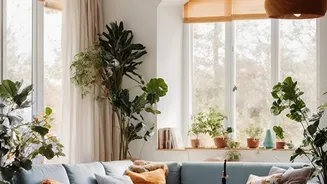
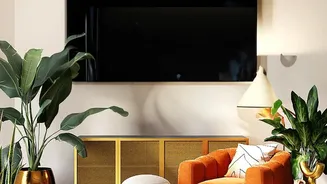
The new Indian living room is tactile, personal, and warm. Stark grey and white palettes are being replaced by warmer neutrals like beige, terracotta, and olive green. Sharp, boxy furniture is giving way to softer silhouettes with curved edges that feel more welcoming and are easier to navigate in compact homes. There's a renewed appreciation for natural and handcrafted materials like solid wood, cane, rattan, and jute, which add texture and a sense of connection to nature. Instead of matching furniture sets, the look is layered and collected over time, featuring personal stories through art, books, and unique decor. The focus is on creating atmosphere and comfort, not just announcing wealth.
A Reflection of Changing Lifestyles
This design trend is deeply intertwined with broader social changes. With the rise of nuclear families and more individualistic lifestyles, the home is increasingly seen as a personal sanctuary rather than a venue for large-scale formal entertaining. Homeowners now want spaces that reflect their personalities, hobbies, and daily needs. The influence of global design trends, accessible through platforms like Pinterest and Instagram, has also empowered people to create homes that are both modern and deeply personal. Designers note that clients are now more interested in creating 'pause corners' for reading or coffee, flexible layouts, and integrating technology seamlessly.
Designing for Life, Not Just for Looks
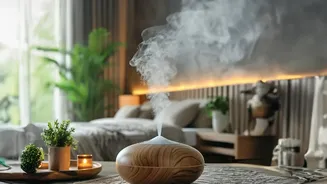
Ultimately, the shift is psychological. Indian homeowners are moving beyond the inherited idea that a room must perform a specific social role. The new definition of luxury is less about excess and more about how beautifully and intentionally a space is used. Interior designers are being hired not just to make spaces look good, but to solve practical problems and improve quality of life. The goal is to create a harmonious environment where the furniture, lighting, and layout all contribute to a feeling of calm and belonging. It’s about creating a home that is a true reflection of its inhabitants—a space for living in, not just looking at.