



The Right Apparel: Think Quick-Dry, Not Cotton
Your clothing choices can make or break a monsoon trek. The number one rule is to avoid cotton entirely. When wet, cotton becomes heavy, clings to the skin, and takes a very long time to dry, increasing your risk of getting chilled. Instead, opt for synthetic
fabrics like polyester or nylon. Pack two to three sets of quick-dry t-shirts and full-length trekking trousers. Full-length pants offer crucial protection from scratches, insect bites, and leeches. Always keep one complete set of dry clothes sealed in a waterproof bag, reserved strictly for changing into at your campsite or homestay for the night. A lightweight fleece jacket is also essential, as evenings can get surprisingly cold even during the monsoon.
Essential Rainwear and Waterproofing
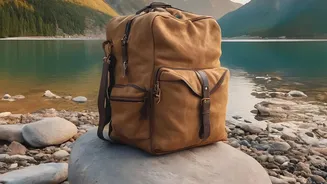
A reliable waterproof rain jacket is non-negotiable. Look for one that is breathable to allow sweat to escape, with features like sealed cuffs and a well-fitting hood. Some trekkers prefer a poncho, which has the added benefit of covering both you and your backpack. Your backpack itself needs protection. Most trekking backpacks are water-resistant, not fully waterproof. A dedicated rain cover is a must-have to shield your pack from downpours. For internal organization and guaranteed dryness, use dry sacks or heavy-duty plastic bags to compartmentalize your belongings. This 'bag-within-a-bag' system ensures that your sleeping bag, electronics, and spare clothes remain completely dry even if the main pack gets damp.
Footwear: Grip is More Important Than 'Waterproof'
While 'waterproof' boots sound ideal, they can be a disadvantage during the intense and sustained rain of an Indian monsoon. Once water gets in over the top of the boot, a waterproof membrane will trap it inside, leaving your feet waterlogged. A better choice for the Western Ghats is a pair of lightweight, quick-drying trekking shoes with deep lugs for excellent grip on slippery, muddy, and rocky terrain. Good traction is critical to prevent falls. Pair your shoes with synthetic or wool socks, and always carry a few spare pairs. It's also wise to pack a pair of lightweight sandals or floaters to wear around the campsite, giving your feet a chance to breathe.
Health, Safety, and Leech Protection
The monsoon brings out leeches, especially in the dense forests of the Western Ghats. While their bites are typically harmless, they can be unnerving. The best prevention is to wear full-length trousers tucked into your socks. Specialised anti-leech socks that go up to your knee offer excellent protection. If you find a leech on you, don't panic or pull it off, as its mouthparts can get stuck in your skin. Instead, use a fingernail to gently push its sucker sideways to break the seal. Your first-aid kit should contain antiseptic wipes, bandages, pain relief spray, and any personal medications. Also include insect repellent and a small bottle of hand sanitiser.
Gear and Gadget Essentials
A reliable headlamp with extra batteries is crucial, as you might be trekking in low light or need it at the campsite. Avoid relying on your phone's torch to conserve its battery for emergencies. A power bank is a smart addition to keep your devices charged, especially if you're staying in places with unreliable electricity. Trekking poles can provide much-needed stability on slippery descents. Pack at least a two-litre water bottle or a hydration bladder. Finally, a few ziplock bags or small plastic pouches are invaluable for protecting your phone, wallet, and other small valuables from the pervasive dampness.