






The End of the Orange Paper Card
For decades, the paper Incoming Passenger Card has been a staple of arriving in Australia. However, the government has announced a nationwide rollout of the Australia Travel Declaration (ATD), a digital replacement for the paper form. This move is part
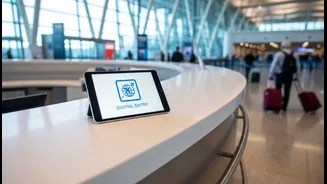
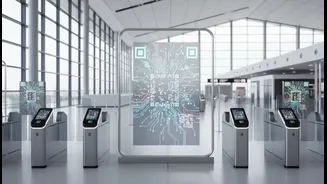
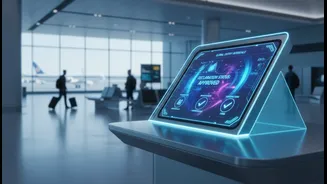
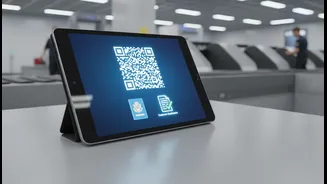
of a A$56.1 million investment to modernise the country's borders. Instead of filling out a form on the plane, travellers will be able to complete their declaration online up to 72 hours before they arrive. Following a successful trial with Qantas involving over 450,000 passengers, the system is set to be introduced across all international airports and seaports over the next 12 to 18 months. The rollout will be phased, with Perth and Adelaide airports joining the trial by the end of 2026. Initially, the ATD will be available as a web form, but the goal is to integrate it into airline apps. Upon completion, travellers receive a unique QR code to be scanned by border officials, simplifying customs and biosecurity checks.
Smarter Skies Through Airline Integration
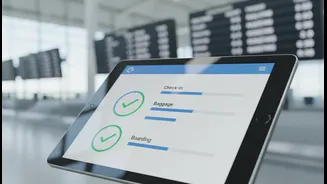
A key part of the new system is its integration with airlines. The pilot program was run in partnership with Qantas, allowing passengers to complete the declaration directly through the airline's app. This integration allows for a smoother process where passenger and flight details can be pre-filled, saving time and reducing errors. The government plans to work with other airlines to build the ATD capability into their own apps, creating a more seamless experience for all travellers, regardless of who they fly with. This collaboration between government and industry is crucial for creating a connected system where information is shared securely and efficiently. The goal is to receive passenger information earlier, which helps border officials to improve risk assessments for security and biosecurity threats before a traveller even lands.
Digital Credentials and the Seamless Journey
The introduction of the Australia Travel Declaration paves the way for a broader adoption of digital credentials and biometric processing. The vision is to create a 'seamless border process' that integrates with travellers' digital lives. This involves moving towards a contactless arrival, where your digital identity and travel documents are stored securely on a personal device. The QR code generated by the ATD is the first step. Future developments could see this linked with biometric data, similar to the SmartGate passport control systems already in use. This would allow passengers to move through the airport with minimal physical checks, significantly reducing queues and processing times. The government's investment includes exploring these next-generation technologies to create a more efficient and secure border, which is especially important as Australia prepares for major events like the 2032 Brisbane Olympics.
What This Means for Travellers
For international visitors and returning Australians, these changes promise a much simpler and quicker arrival. The primary benefit is speed and convenience. By completing declarations online beforehand, passengers can expect to spend less time in queues at the airport and more time starting their trip. The move also brings Australia in line with other major travel hubs like Singapore and Japan, which have already implemented digital entry systems. While the digital system will become the standard, paper forms will still be available for those who cannot or prefer not to use the digital option, ensuring no one is left behind during the transition. Ultimately, the aim is to make the arrival experience less about paperwork and more about a welcome, improving Australia's reputation as a world-class destination.