






Understanding the Price Squeeze
If your grocery bills feel higher than ever, you're not imagining it. Recent reports show that food inflation is a persistent issue, affecting staples that form the core of most Indian kitchens. In July 2026, the cost of food saw a notable increase compared
to the previous year, driven by everyday items like vegetables, pulses, and even protein-rich foods and edible oils. This pressure is felt more acutely by middle and lower-income households, where groceries can account for a significant portion of the monthly budget. Factors like weather conditions and global commodity trends can create uncertainty, making it crucial to have a strategy for your spending.
First, Define Your Essentials
The key to budgeting under pressure is prioritisation. Before you even make a list, mentally divide your grocery needs into three categories. First are the 'Core Essentials': these are the non-negotiables like rice, atta, dals, seasonal vegetables, and basic spices that form the foundation of your meals. Next are 'Nutritional Boosters', such as milk, curd, eggs, and fruits, which are important for a balanced diet but might offer some room for smart swaps. Finally, there are 'Flex-Spends', which include snacks, biscuits, juices, and ready-to-eat items. When prices are high, this is the first category to trim.
The Power of Planning
One of the most effective strategies to combat rising costs is meal planning. Spending just 30 minutes a week to plan your meals helps you create a precise shopping list. This simple habit prevents impulse buys, which are often expensive, processed foods that inflate your bill. Always shop with this list and stick to it strictly. Planning also drastically reduces food waste, as you buy only what you intend to use. Using leftovers for another meal is another smart way to stretch your budget further.
Strategies for a Smarter Trolley
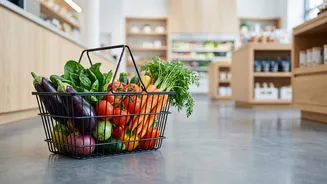
Once you're in the store, several small habits can lead to big savings. Always buy seasonal fruits and vegetables, as they are fresher, more nutritious, and cheaper because they are available in abundance. Consider buying staples like grains and pulses in bulk, which often offers a lower cost per kilogram, but only if you have proper storage to prevent spoilage. Don't overlook store brands for items like salt, sugar, or even some spices; they often provide the same quality as premium brands at a lower price. And a timeless piece of advice: never shop when you're hungry. An empty stomach can lead to impulse purchases you'll later regret.
Embrace Affordable Nutrition
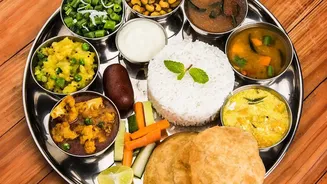
Eating healthy doesn't have to be expensive. Indian kitchens are naturally home to many budget-friendly superfoods. Pulses and legumes are excellent sources of protein and fibre. Millets like jowar and bajra are nutritious, affordable alternatives to wheat and rice. Eggs are another powerhouse of nutrition that offer high value for a relatively low cost. By focusing on these whole, unprocessed ingredients, you can ensure your family receives balanced nutrition without relying on costly packaged goods. Cooking more meals at home is another guaranteed way to save money and control the quality of what you eat.