


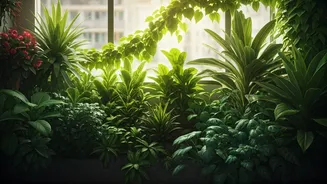
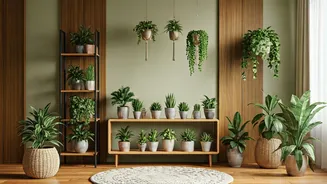


The Rise of the Urban Jungle
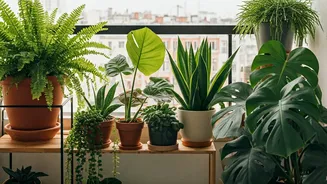
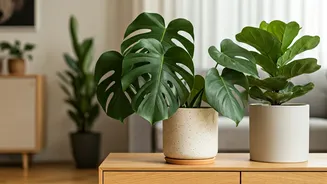
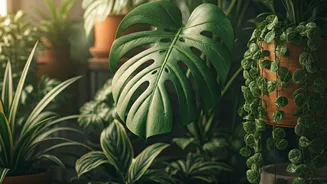
It starts with a single succulent on a work desk, a gift from a friend. Soon, a money plant finds its way to a bookshelf. Before long, a fiddle-leaf fig holds court in the living room, and a Monstera deliciosa unfurls its fenestrated leaves by the window.
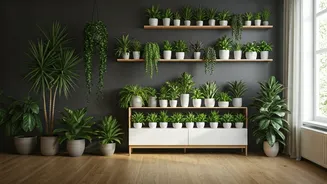
This isn't just gardening; it's ‘plant parenting’. Across India's metros, a growing number of millennials and Gen Z are embracing this trend, curating intricate indoor jungles that serve as both aesthetic backdrops for Instagram and deeply personal sources of joy. They speak of their plants as ‘babies’, celebrate new leaves like milestones, and trade propagation cuttings with friends. This movement is less about traditional horticulture and more about a relationship—a quiet, nurturing bond formed in the heart of the concrete jungle.
More Than Just a Hobby
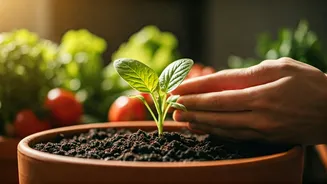
So, why ‘parenting’? The language is intentional. For a generation often delaying or forgoing traditional life stages like marriage and children, caring for a living thing offers a tangible sense of purpose and responsibility. Unlike a pet, a plant is a lower-stakes commitment, perfectly suited to the transient, often compact, nature of urban living. It demands routine, attention, and care, rewarding its ‘parent’ with visible growth. This act of nurturing something, of watching it thrive under your care, provides a powerful antidote to the anxieties of modern life. It’s a way to practice empathy and patience, skills that are valuable far beyond the realm of potting soil and watering cans. In a world of digital ephemera, a thriving plant is a real, tangible achievement.
The Pandemic as a Catalyst
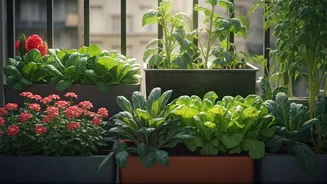
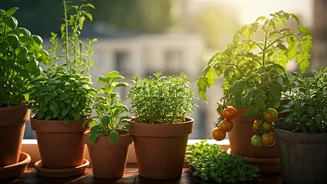
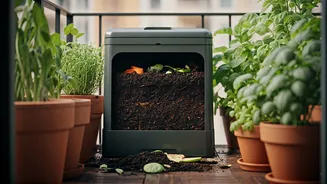
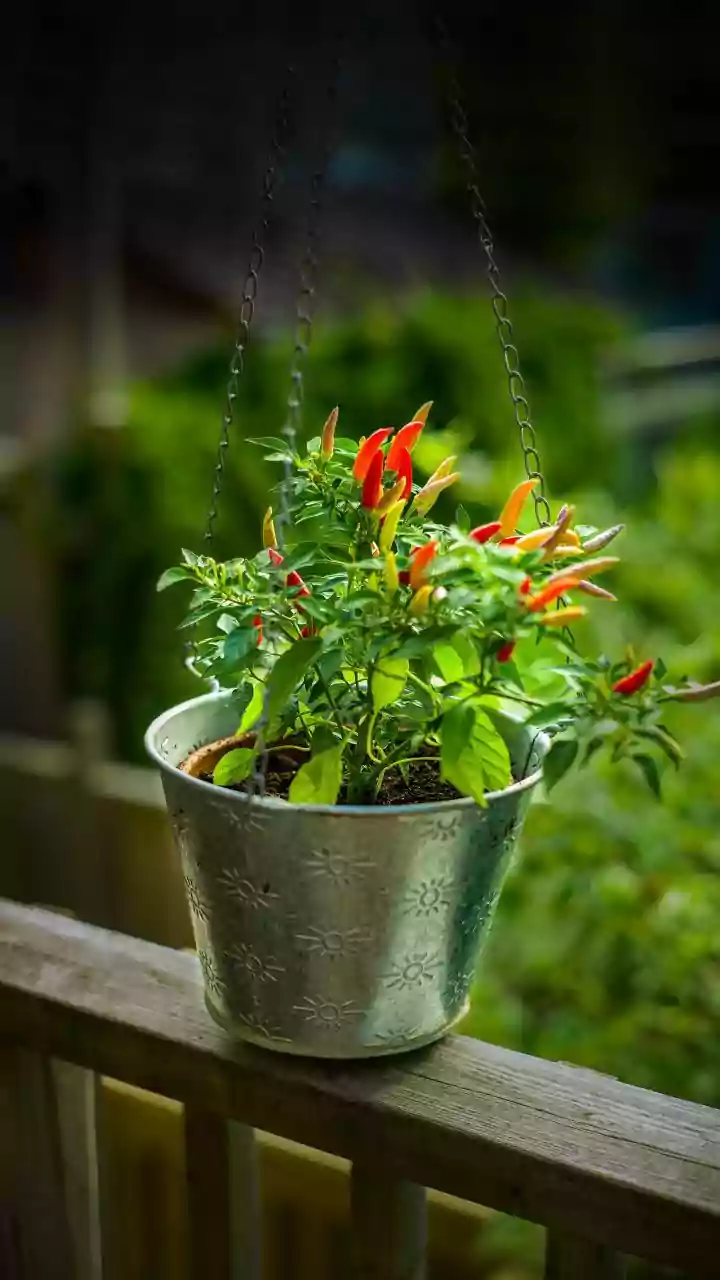
While the trend was budding pre-2020, the COVID-19 pandemic acted as a powerful fertiliser. Confined to their homes during lockdowns, people yearned for a connection to nature. Balconies and windowsills became precious real estate. Plants offered a way to bring the outdoors in, transforming sterile work-from-home spaces into calming, green oases. They became quiet companions during periods of intense isolation, their silent growth a hopeful symbol in a world that felt stagnant. Online plant nurseries saw an unprecedented surge in demand, with ‘plant influencers’ on social media guiding a new wave of enthusiasts on everything from choosing the right pot to dealing with mealybugs. The pandemic didn't create plant parenting, but it cemented its place in the urban Indian home.
A Green Business Boom
This cultural shift has cultivated a thriving ecosystem of businesses. Startups like Ugaoo, Nurserylive, and The Sill have made it easier than ever to buy plants online, delivering them safely to doorsteps across the country. Beyond just plants, there is a burgeoning market for aesthetic pots, macrame hangers, organic fertilisers, and specialised grow lights. Local nurseries, once quiet neighbourhood fixtures, are now bustling hubs for young customers seeking advice on their latest plant acquisitions. Workshops on terrarium-making, kokedama, and plant care are frequently sold out. This green economy is a direct reflection of the demand, showing that plant parenting is not just a fleeting fad but a significant and growing lifestyle market.
A Remedy for Urban Anomie
At its core, the plant parenting phenomenon is a response to the pressures of urban existence. The constant noise, the digital saturation, the shrinking living spaces, and the pervasive sense of loneliness can take a toll on mental well-being. The simple, mindful act of caring for a plant—checking the soil, watering it, rotating it towards the sun—is a form of active meditation. Studies have shown that interacting with indoor plants can reduce stress, lower blood pressure, and improve mood. For many, their plant collection is a sanctuary, a quiet space to disconnect from the chaos and reconnect with a simple, life-affirming rhythm. It’s a daily reminder that even in a high-rise apartment, it’s possible to cultivate growth and find grounding.