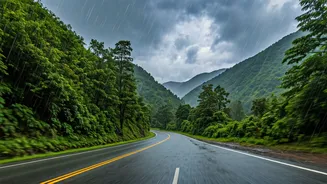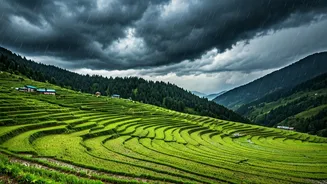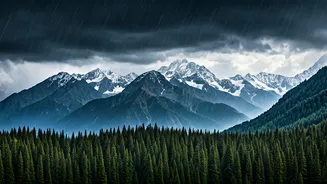







The Allure of the Hills vs. The Onset of the Monsoon
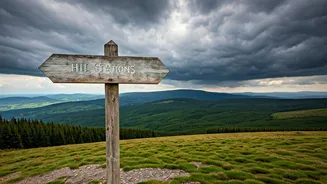
Every year, as summer vacation season peaks in June, a great migration takes place. Families, pilgrims, and adventurers flock to the hill stations of Uttarakhand and Himachal Pradesh. The Char Dham Yatra, a sacred pilgrimage to four Himalayan shrines,
sees its heaviest footfall during this period. [7] The temples, which open in May, offer a window of pleasant weather before the monsoon. [4] This year is no different. Roads have been declared open, and a rush of bookings has followed the official announcements. [4] However, this pre-monsoon rush coincides with an increasingly volatile weather window. The transition from scorching summer to drenching monsoon is no longer a gentle, predictable affair. [6]
A Monsoon Ahead of Schedule
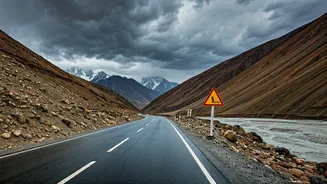
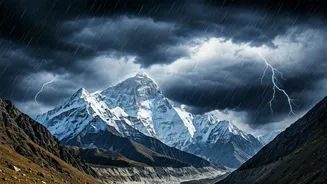
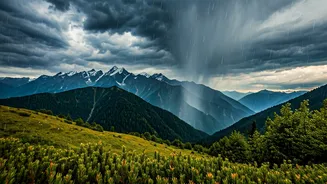
The India Meteorological Department (IMD) has issued advisories that paint a concerning picture. Recent reports from June 24 indicate an orange alert for several districts in Uttarakhand that are central to the Char Dham Yatra, warning of intense rainfall, thunderstorms, and gusty winds. [7] These are not just gentle pre-monsoon showers; they are conditions that can destabilize mountain slopes and trigger landslides. [7] The southwest monsoon has already made a forceful arrival in Northeast India, with Mawsynram in Meghalaya recording 53 cm of rain in a single day around June 21st, triggering warnings for floods and landslides that extend until June 25. [8] Similar warnings are now active for the Western Himalayas, with travel advisories cautioning against non-essential movement, particularly at night. [5, 19]
Ignoring the Warnings: Lessons from the Past
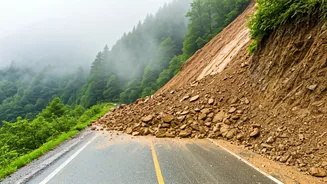
The memory of past tragedies in the Himalayas serves as a grim reminder of what happens when weather warnings are not heeded. The 2013 Kedarnath floods, a catastrophe triggered by a multi-day cloudburst, underscored the region's vulnerability. While infrastructure and response mechanisms have improved since, the fundamental risks remain. Scientists warn that even in a year with a predicted below-normal monsoon overall, the Hindu Kush Himalaya region is prone to short, intense bursts of extreme rain. [28] These sudden downpours on drier-than-usual terrain can lead to flash floods and landslides, creating a dual threat that is often underestimated. [28] News reports from this week already detail landslides cutting off key highways in Arunachal Pradesh, forcing authorities to issue strict travel advisories. [19, 20]
The New Reality: Travel in the Age of Climate Volatility
Experts stress that the concept of a 'safe' travel window is shrinking. What used to be a predictable season is now characterized by sharp, localized, and extreme weather events. [27] The orange alert for Uttarakhand's pilgrimage routes highlights specific, known landslide-prone zones that become active during intense rain. [7] Even in Himachal Pradesh, where a weaker monsoon is forecast for some areas, authorities have warned that this doesn't rule out localized extreme weather. [17, 21] In fact, some high-altitude areas like Lahaul-Spiti are predicted to get above-normal rainfall, increasing the risk of mudslides in a region not accustomed to it. [17] This new reality demands a more dynamic approach to travel planning, one that prioritizes flexibility and real-time information over fixed itineraries.
How to Plan a Safer Trip: A Modern Traveler's Checklist
Traveling to the mountains during this period isn't impossible, but it requires caution and preparation. Before you travel, check the latest IMD forecasts and district-specific warnings. Follow official advisories from state disaster management authorities. It's strongly recommended to avoid night travel in hilly regions during a weather alert. [5] Build buffer days into your itinerary. A one-day delay due to a landslide is a common occurrence. Being prepared for it can reduce stress and prevent risky decision-making. Always inform someone of your travel plans and expected return time. Finally, engage with local knowledge. Your hotel owner, driver, or local guides are your best source of on-the-ground information about road conditions and potential risks.