


A Shared Philosophy on Purity
At its heart, fasting food across India follows similar principles. Known as 'phalahar' or 'vrat ka khana', this diet is designed to be 'satvik'—pure, light, and easy to digest. The goal is to cleanse the body and mind, aiding spiritual focus during religious
observances like Navratri, Janmashtami, or Maha Shivratri. This means a common list of exclusions: grains like wheat and rice, lentils, onions, garlic, and regular table salt are avoided. Instead, rock salt, or 'sendha namak', is used for seasoning. This shared foundation of abstaining from grains and certain spices is where the two regions begin their unique culinary journeys.
The Great Flour Divide
The most significant difference between North and Western Indian fasting cuisine lies in the choice of flours. In the North, particularly in states like Punjab, Uttar Pradesh, and Delhi, the staples are kuttu ka atta (buckwheat flour) and singhare ka atta (water chestnut flour). These flours are dense and generate heat, which is often considered beneficial during the cooler autumn Navratri. Conversely, Western India, especially Gujarat and Maharashtra, leans heavily on rajgira (amaranth flour), sama or samak chawal (barnyard millet), and sabudana (tapioca pearls). These ingredients are generally considered lighter. Rajgira, for instance, is a protein-rich pseudo-cereal, while sama acts as a rice substitute.
Hearty Feasts of the North
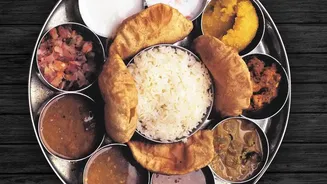
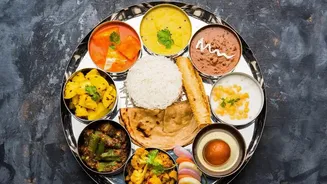
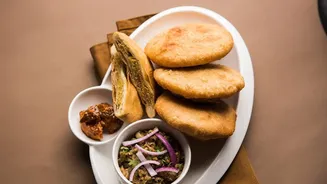
North Indian vrat meals are often robust and centred around potato-based dishes and fried breads. A classic thali would feature Kuttu ki Puri, a deep-fried bread made from buckwheat flour, which is earthy and slightly nutty in flavour. This is typically paired with a simple but flavourful Vratwale Aloo Rasedar, a potato curry made with tomatoes, ginger, and rock salt. Other popular dishes include Arbi Kofta (taro root dumplings) and Makhane ki Kheer, a sweet pudding made from puffed lotus seeds, milk, and nuts. The overall flavour profile is savoury, hearty, and designed to provide sustained energy.
Flavourful Fare of the West
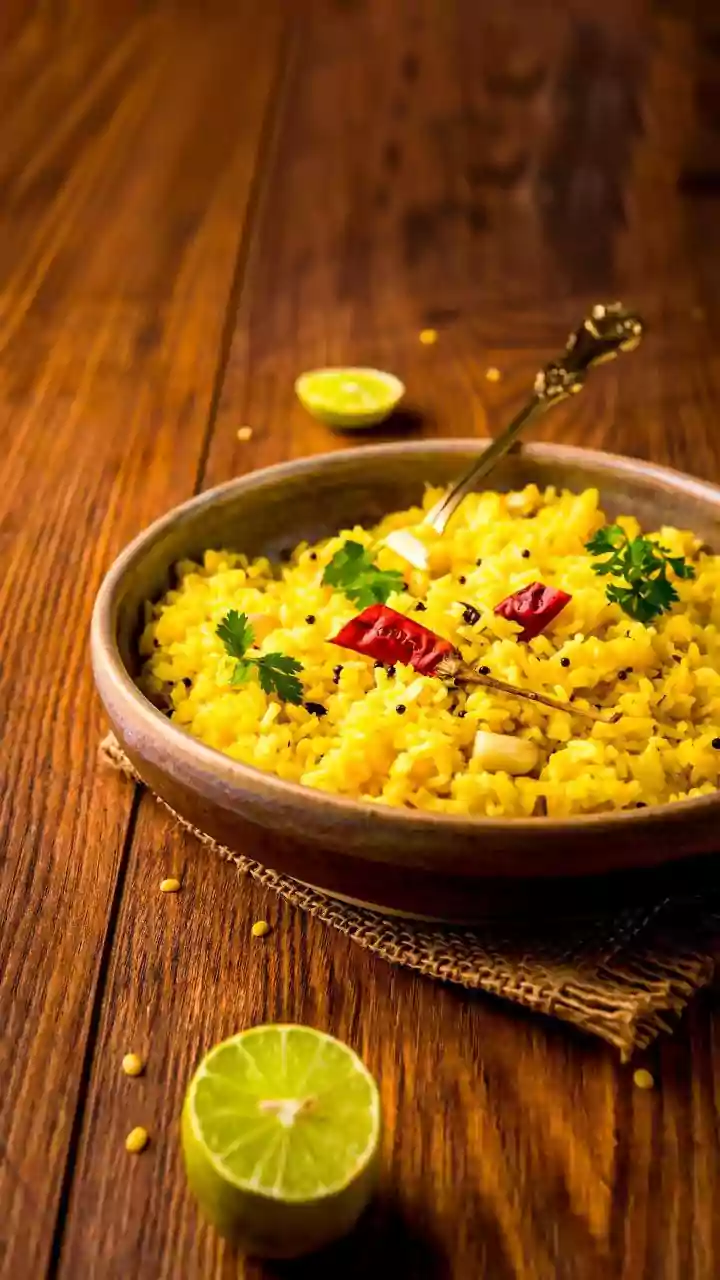
The fasting, or 'farali', menu in Western India is known for its vibrant and diverse snacks and meals. In Maharashtra and Gujarat, sabudana is the undisputed star. Sabudana Khichdi, made with soaked tapioca pearls, roasted peanuts, potatoes, and a hint of lemon, is a ubiquitous breakfast. Sabudana Vada, a crispy fried patty, is another favourite. Gujarati cuisine also features unique items like Farali Pattice—crispy potato casings with a sweet and spicy coconut and nut filling—and dishes made from barnyard millet, like Farali Dhokla. The flavour profile here often incorporates a delightful balance of sweet, tangy, and savoury notes, thanks to the use of peanuts, lemon, and sometimes sugar or jaggery.
Sweet Endings and Similarities
When it comes to sweets, both regions have their specialties. The North often prepares Singhare ka Halwa, a dense, rich pudding made from water chestnut flour and ghee. In the West, you might find sweets like Shengdanachi Chikki (peanut brittle) or desserts made with rajgira. Despite the differences, there are popular crossovers. Sabudana, while dominant in the West, is also widely consumed across the North in various forms like khichdi and kheer. Similarly, potato-based preparations are a common thread, valued for their versatility and energy-giving properties in both regions.