






Understanding the Monsoon Threat
The Indian monsoon creates a perfect storm of hazardous conditions for electronics. Firstly, heavy rains, lightning, and falling trees often disrupt the power grid, leading to frequent cuts and restorations. The moment power returns is particularly dangerous,
as it can send a high-voltage surge through your wiring, instantly damaging sensitive circuit boards in TVs, refrigerators, and computers. Secondly, the constant high humidity is a silent enemy. Indoor humidity can climb above 85%, far exceeding the 30-60% range most electronics are designed for. This moisture can seep into devices, corrode internal components, and lead to short circuits and gradual failure.
First Line of Defence: Surge Protectors
A common mistake is assuming any multi-plug power strip is a surge protector. A true surge protector is designed to absorb and divert sudden, brief voltage spikes—like those from lightning or grid faults—away from your devices. When buying one, look for a high 'joule' rating, which indicates how much energy it can absorb; a rating of 600 joules or more is recommended for valuable electronics. These are essential for sensitive gadgets like televisions, computers, routers, and home theatre systems. While they are an excellent first line of defence against sudden spikes, they do not regulate consistent voltage fluctuations.
Heavy Duty Protection: Voltage Stabilizers
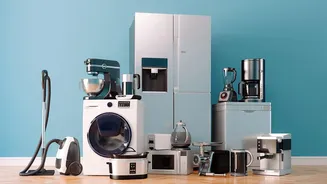
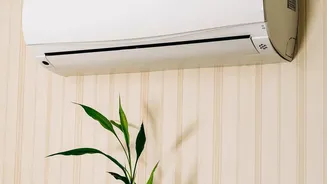
For expensive appliances with motors and compressors, like refrigerators and air conditioners, a voltage stabilizer is crucial, especially in areas with notoriously unstable power. Unlike a surge protector that only handles sudden spikes, a stabilizer continuously monitors the incoming voltage. It corrects both under-voltage (brownouts) and over-voltage conditions, ensuring the appliance receives a steady, safe power supply. Low voltage can be just as damaging as high voltage, forcing motors to draw more current and overheat, leading to a shortened lifespan. A stabilizer is a vital investment for these high-load appliances.
Combating Humidity's Silent Damage
Protecting against moisture requires consistent habits. The simplest step is ensuring proper ventilation. Avoid pushing electronics like TVs or routers into tightly enclosed cabinets or right up against damp walls. Leaving a few inches of space allows air to circulate, dispersing heat and moisture. For extra protection, especially for items in storage like cameras, use silica gel packets to absorb ambient humidity. Regularly wiping down devices with a dry microfibre cloth can also prevent the buildup of moisture films that attract dust and lead to corrosion. If an appliance does get wet, do not turn it on; unplug it and let it dry naturally for at least 48 hours.
Simple Habits for Daily Safety
Beyond installing protective gear, a few simple actions can significantly reduce risk. The most important habit is to unplug sensitive and non-essential electronics during a heavy thunderstorm. A direct or nearby lightning strike can overwhelm even the best surge protectors. Never handle electrical switches or appliances with wet hands, a basic but often overlooked rule. After a power cut, it's a good practice to switch off major appliances and turn them back on a few minutes after the power is restored, avoiding the initial restoration surge. Also, periodically inspect wires and cables for any signs of fraying or damage, replacing them immediately if needed.