





The Right Clothes: Think Quick-Dry and Breathable
During the rainy season, high humidity is your biggest enemy. Cotton, a traveller's usual favourite, absorbs moisture and can take days to dry. Instead, your mantra should be synthetic fabrics. Think polyester, nylon, and other quick-dry blends that wick
moisture away from your skin and dry in a matter of hours. Pack loose-fitting tops and trousers to allow for better air circulation, which helps you stay cool and comfortable. A lightweight, waterproof rain jacket is non-negotiable; choose one that is packable and has a hood. While a jacket is great, a compact, windproof umbrella is also essential for those sudden, less intense showers. Don't forget a thin fleece or woollen layer, as evenings, especially in hill stations, can get surprisingly chilly when it's damp.
Essential Footwear: Grip and Waterproofing Are Key
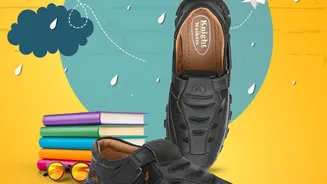
The wrong shoes can ruin a rainy-season trip. Leave the leather shoes and casual sneakers at home, as they will get soaked and destroyed. Your footwear needs to prioritise grip and water resistance. Waterproof trekking sandals with good grip are an excellent choice for navigating wet streets and muddy paths. They allow your feet to dry quickly and are easy to clean. For more rugged activities like hiking, invest in a pair of waterproof hiking shoes that provide ankle support and have a reliable grip to prevent slipping. Avoid standard flip-flops as they can be dangerously slippery on wet surfaces. Always pack a few extra pairs of synthetic or merino wool socks; wet feet are not only uncomfortable but can lead to fungal infections.
The 'Wet and Dry Zone' Packing Strategy
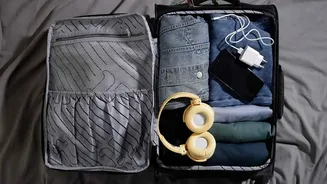
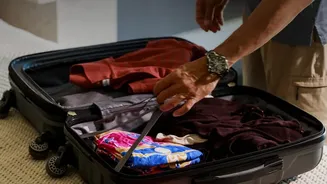
The secret to a successful monsoon packing strategy is separation. Designate 'wet' and 'dry' zones within your luggage. Use water-resistant packing cubes or simple plastic bags to isolate items. Have a dedicated large bag for damp or dirty clothes to keep them from making everything else in your suitcase smell musty. For your electronics, documents, and cash, use smaller waterproof pouches or dry bags. This is crucial, as monsoon rain has a way of seeping into everything. A backpack with a dedicated rain cover is a great first line of defence. Some travellers even line their main luggage with a large trash bag for an extra layer of protection before placing their packing cubes inside.
Gear and Gadgets: The Small Things That Matter
Beyond clothes and shoes, a few key items will make your monsoon journey much smoother. A quick-dry microfibre towel is a must; it’s super absorbent and dries much faster than a standard cotton towel. Given the increased mosquito activity during the monsoon, a reliable insect repellent containing DEET or picaridin is essential. High humidity can also be tough on electronics, so consider tossing a few silica gel packets into your electronics bag to absorb excess moisture. A portable power bank will ensure your devices stay charged, and an antifungal powder or cream can be a lifesaver for preventing skin issues in the damp conditions.