





The Challenge of a Sedentary Job
Working at a desk for eight or more hours a day is linked to numerous health concerns. Prolonged sitting can contribute to a stiff neck, tight hips, back pain, and even increase the risk of metabolic disorders like high cholesterol and diabetes. Even
if you exercise regularly, long periods of inactivity can be detrimental. The goal is not just to work out, but to find a routine that effectively counteracts the effects of a sedentary day without adding excessive stress to your body or schedule.
Contender 1: High-Intensity Interval Training (HIIT)
High-Intensity Interval Training involves short, explosive bursts of exercise followed by brief recovery periods. Think 30 seconds of sprinting, followed by 30-90 seconds of walking, repeated for 10-20 minutes. The primary appeal of HIIT is its efficiency; it can burn a significant number of calories in a very short amount of time. It also triggers an "afterburn effect," where your metabolism stays elevated for hours post-workout. However, HIIT is demanding and can carry a higher risk of injury, especially for beginners or those with poor form. It requires significant recovery and can be mentally and physically taxing if overdone.
Contender 2: Low-Intensity Steady-State (LISS)
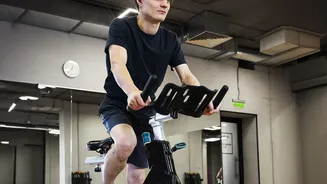
Low-Intensity Steady-State cardio is the opposite of HIIT. It involves performing an aerobic activity at a consistent, low-to-moderate pace for a longer duration, typically 30-60 minutes. Examples include brisk walking, light jogging, cycling, or swimming. LISS is gentler on the body, making it ideal for beginners, individuals with joint pain, or for active recovery days. It improves cardiovascular health, aids in fat burning, and can reduce stress. The main drawback is the time commitment; LISS sessions are significantly longer than HIIT workouts to achieve comparable results.
HIIT vs. LISS: Which is Better for a Desk Job?
The best choice depends entirely on your goals, schedule, and current fitness level. If your biggest hurdle is finding time to exercise, HIIT's time-efficiency is a clear winner. A 20-minute session can fit into a lunch break and delivers a powerful metabolic boost to counter a day of sitting. However, if you find intense workouts stressful or are new to exercise, the high-impact nature of HIIT might lead to burnout or injury. LISS, on the other hand, is sustainable and less stressful on the body. It's a great way to decompress after a mentally taxing day at the office and promotes consistent movement without overexertion. For those whose desk job already causes physical aches, the low-impact nature of LISS can be a major advantage. Research also shows that while HIIT burns more calories per minute, both methods can be similarly effective for weight management over time.
How to Create Your Perfect Routine
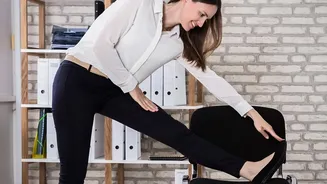
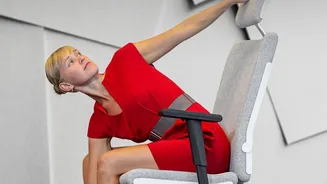
You don't have to choose just one. A balanced routine is often the most effective approach. Consider using HIIT once or twice a week when you're short on time and need a powerful workout. On other days, use LISS to stay active, aid recovery, and manage stress. For example, you could schedule two HIIT sessions during the week and a long, relaxing walk or bike ride on the weekend. The key is to break up long periods of sitting throughout your workday with small movements, like taking the stairs or doing stretches at your desk.