



A Generational Shift in Sweet Preferences
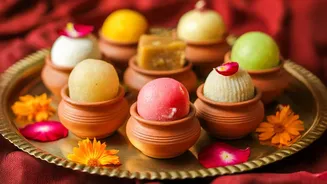
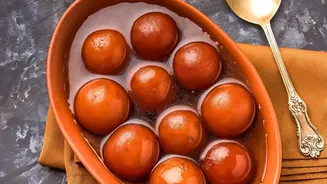
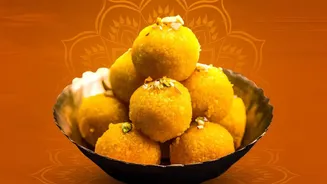
For generations, Janmashtami celebrations in India have been synonymous with a lavish spread of rich, sweet delicacies offered as 'bhog' to Lord Krishna. From Makhan Mishri to Panjiri and various ladoos, these treats are steeped in tradition and nostalgia.
However, the very ingredients that make them so indulgent—copious amounts of refined sugar and ghee—are now being viewed through a different lens. A growing awareness around wellness, mindful eating, and the long-term effects of high sugar consumption has led many younger Indians to seek healthier alternatives. The concern is not about abandoning tradition, but about reconciling a modern, health-forward lifestyle with the deep-seated cultural desire to celebrate festivals with authentic flavours. This has sparked a quiet culinary revolution in Indian kitchens, where home cooks and chefs are reimagining festive food to be both delicious and nourishing.
The Rise of Natural Sweeteners
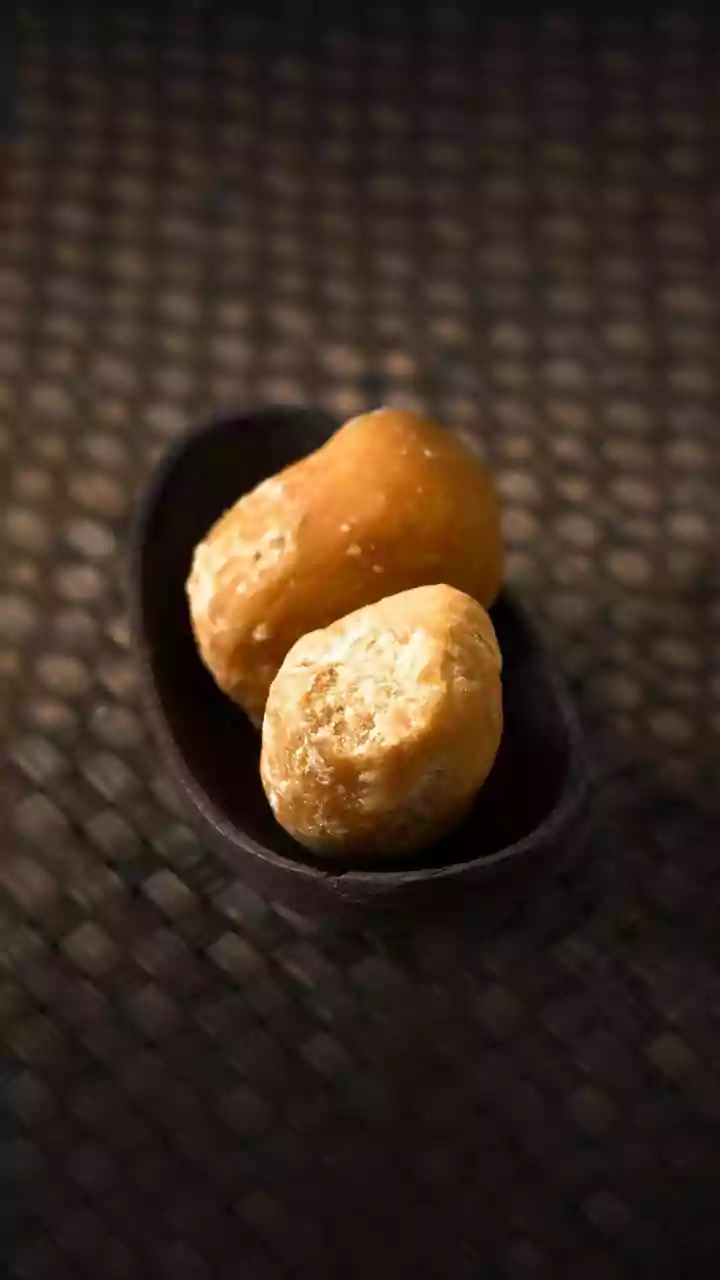
The most significant change in modernising these delicacies is the move away from refined white sugar. Cooks are turning to natural, unrefined sweeteners that offer more than just sweetness. Jaggery (gur) is a frontrunner, prized for its earthy flavour and the minerals it contains. Date paste, made by blending seedless dates, offers a caramel-like sweetness along with fibre, making it a popular choice for ladoos and energy bites. Other alternatives include honey, coconut sugar, and plant-based sweeteners like stevia, which provide sweetness without the blood sugar spike associated with processed sugar. This swap is not just about cutting calories; it's about choosing ingredients that are gentler on the body and offer some nutritional benefits, aligning with a more holistic approach to health.
Rethinking Recipes and Cooking Methods
Beyond swapping sweeteners, the entire approach to preparing these sweets is evolving. Traditional recipes that call for deep-frying are being adapted for baking or air-frying, significantly reducing the oil content without sacrificing the desired crunch. For instance, while classic samosas are fried, many are now making baked versions with savoury fillings. There is also a greater emphasis on incorporating nutrient-dense ingredients. Whole grains and millets like ragi and foxtail millet are replacing refined flour in dishes like halwa and even pulihora for the main meal. Nuts and seeds such as almonds, walnuts, flax, and sesame are being generously added to ladoos and barfis, not just for texture and flavour but for their healthy fats and protein content. Even classics like Kheer are being reimagined with almond or coconut milk instead of full-fat dairy, making them lighter.
Iconic Delicacies Get a Healthy Twist
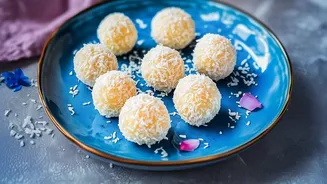
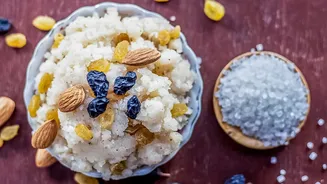
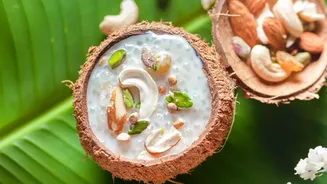
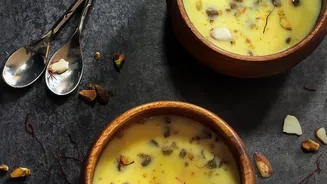
This trend is beautifully illustrated in the makeovers given to specific Janmashtami favourites. Panjiri, traditionally made with whole wheat flour, ghee, and sugar, is now often prepared with jaggery powder and loaded with roasted nuts and seeds for extra nutrition. Coconut Ladoos are being made with fresh coconut and a minimal amount of jaggery syrup or date paste, letting the natural sweetness of the coconut shine. For those who love kheer, versions made with makhana (fox nuts) and sweetened with stevia or a touch of jaggery offer a lighter, low-glycemic index alternative to rice-heavy puddings. Dry fruit ladoos, bound together by the natural stickiness of dates and figs, have become a festive staple in their own right, requiring little to no added sugar at all.