






The Challenge of a Short Shelf Life
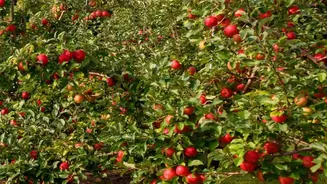
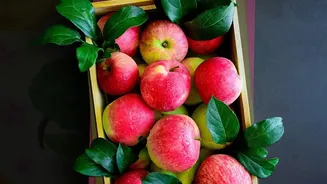
For generations, the Kashmiri apple farmer's calendar has been a race against time. The harvest season, from August to October, floods the market with fresh produce. Without adequate storage infrastructure, growers have been forced to sell their apples
immediately, often to middlemen at depressed prices. This seasonal glut creates a significant power imbalance. Furthermore, a substantial portion of the crop, estimated at nearly one-fifth annually, is lost to spoilage and damage during transport due to inadequate road infrastructure and post-harvest handling. This not only represents a massive financial loss but also a significant waste of C-grade apples, which are ideal for processing into juices and concentrates but often perish before they can be used.
Defining Advanced Logistics
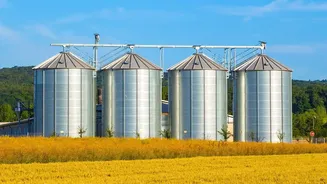
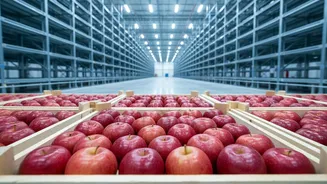
The investment in 'advanced logistics' goes far beyond simply hiring more trucks. The cornerstone of this new approach is the widespread adoption of Controlled Atmosphere (CA) storage facilities. These high-tech warehouses are airtight rooms where temperature, humidity, and gas levels are precisely controlled. By reducing oxygen levels from 21% to as low as 1-2% and managing carbon dioxide, the fruit's natural respiration and ripening process is dramatically slowed. This allows apples to be stored for several months, sometimes up to a year, while maintaining their firmness and freshness. The investment also includes automated grading and sorting lines to ensure quality consistency, and refrigerated transport (reefer trucks) to protect the fruit on its journey to distant markets.
Responding to Market Pressures
This strategic shift is driven by urgent economic realities. Kashmiri growers are facing increasing competition from imported apples, particularly from countries like the U.S., Iran, and New Zealand. These international producers benefit from mechanised farming, advanced technology, and government support, allowing them to produce higher yields per hectare and potentially undercut local prices. With India gradually opening its markets through new trade deals, the pressure to compete on quality and price is immense. By investing in CA storage, cooperatives can hold their produce and sell it during the off-season when prices are higher, avoiding a direct clash with cheaper imports during the peak harvest window.
The Power of Collective Action
For individual small-scale farmers, the cost of a CA store or a mechanised grading line is prohibitive. This is where Farmer Producer Organisations (FPOs) and cooperatives become crucial. By pooling their resources, farmers can collectively invest in this vital infrastructure, securing the scale needed to attract financing and manage large-scale operations. This collective model empowers them to bypass traditional intermediaries, reduce transaction costs, and gain direct access to larger markets, including retail chains and export opportunities. Government initiatives like the Holistic Agriculture Development Programme (HADP) are further supporting this transition by providing subsidies and technical assistance for everything from high-density planting to post-harvest management.
A Future Beyond Fresh Apples
The investment in logistics is about more than just selling fresh apples for a longer period. It's a foundational step towards building a robust value-added industry. With a consistent supply of quality apples available year-round, the potential for processing C-grade fruit into juices, concentrates, ciders, and preserves becomes viable. Experts have long argued that Kashmir’s economic resilience lies in value addition, much like Switzerland built its prosperity on processed goods like cheese and chocolate rather than just raw milk. Creating district-level agro-processing parks that integrate storage, grading, and processing facilities is seen as the key to reducing waste, stabilising incomes, and creating a globally competitive brand for Kashmiri produce.