






What Exactly Is Zone 2 Training?
Fitness is often broken down into five heart rate zones, from very light activity (Zone 1) to your absolute maximum effort (Zone 5). Zone 2 is the sweet spot of low-to-moderate intensity, typically sitting between 60% and 70% of your maximum heart rate.
Think of it as a 'conversational pace'. During a Zone 2 workout, you should be able to hold a full conversation without gasping for breath. It’s an effort level that feels comfortable and sustainable for a long duration, whether you're on a bike, briskly walking, or using an elliptical machine. This is not about pushing yourself to the limit; it's about building a solid foundation of aerobic fitness.
The Desk Worker's Secret Weapon
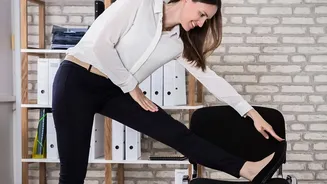
For those leading a sedentary lifestyle, the afternoon slump and general fatigue are common complaints. This is where Zone 2 training shines. This type of exercise improves mitochondrial health—the tiny powerhouses inside your cells responsible for generating energy. More efficient mitochondria mean your body gets better at using fat for fuel, leading to more stable energy levels throughout the day and less reliance on quick-burning carbohydrates. Consistent Zone 2 work strengthens your heart, allowing it to pump blood more efficiently, which can lower your resting heart rate and improve circulation. This enhanced cardiovascular fitness is crucial for combating the health risks associated with sitting for long hours.
Finding Your Zone 2 Heart Rate
You don't need fancy equipment to figure out your target heart rate. A simple and widely used formula to estimate your maximum heart rate (MHR) is 220 minus your age. For example, if you are 40 years old, your estimated MHR is 180 beats per minute (bpm). Your Zone 2 would then be 60% to 70% of that number, which is a range of 108 to 126 bpm. A heart rate monitor can give you precise feedback, but the 'talk test' is also a reliable guide. If you can chat comfortably, you're likely in the right zone. If you can sing, you're probably in Zone 1. If you can only manage short phrases, you've pushed into Zone 3 or higher.
Your Low-Intensity Cycling Plan
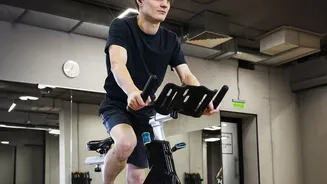
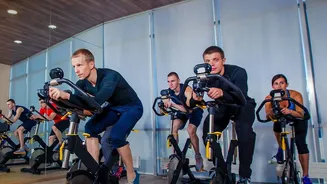
Cycling is an excellent, low-impact choice for Zone 2 training that is easy on the joints. For a desk worker, incorporating it can be surprisingly simple. Consider a stationary bike at home; you can pedal at a relaxed, steady pace while watching a show or listening to a podcast. Or, turn your commute into a workout by cycling to work at a comfortable pace. The goal isn't speed but consistency. Aim for two to three Zone 2 sessions per week, starting with 30-45 minutes per session and gradually building up. A relaxed weekend ride on a flat path is another perfect opportunity. The key is to maintain that steady, conversational effort where your breathing is slightly elevated but controlled.
Consistency Over Intensity
In a world of high-intensity interval training (HIIT), the idea of a 'slow' workout might seem counterintuitive, but its benefits are profound, especially for long-term health and endurance. Because Zone 2 training is less taxing on the body, the risk of injury is significantly lower, and recovery is much faster. This makes it easier to stick with a routine consistently. Many elite athletes spend a large portion of their training time in Zone 2 to build a robust aerobic base without overtaxing their bodies. For the desk worker aiming to improve stamina, the lesson is clear: building a fitness habit that you can maintain is far more effective than occasional, exhausting workouts that lead to burnout.