

Understanding the Ancient Paths
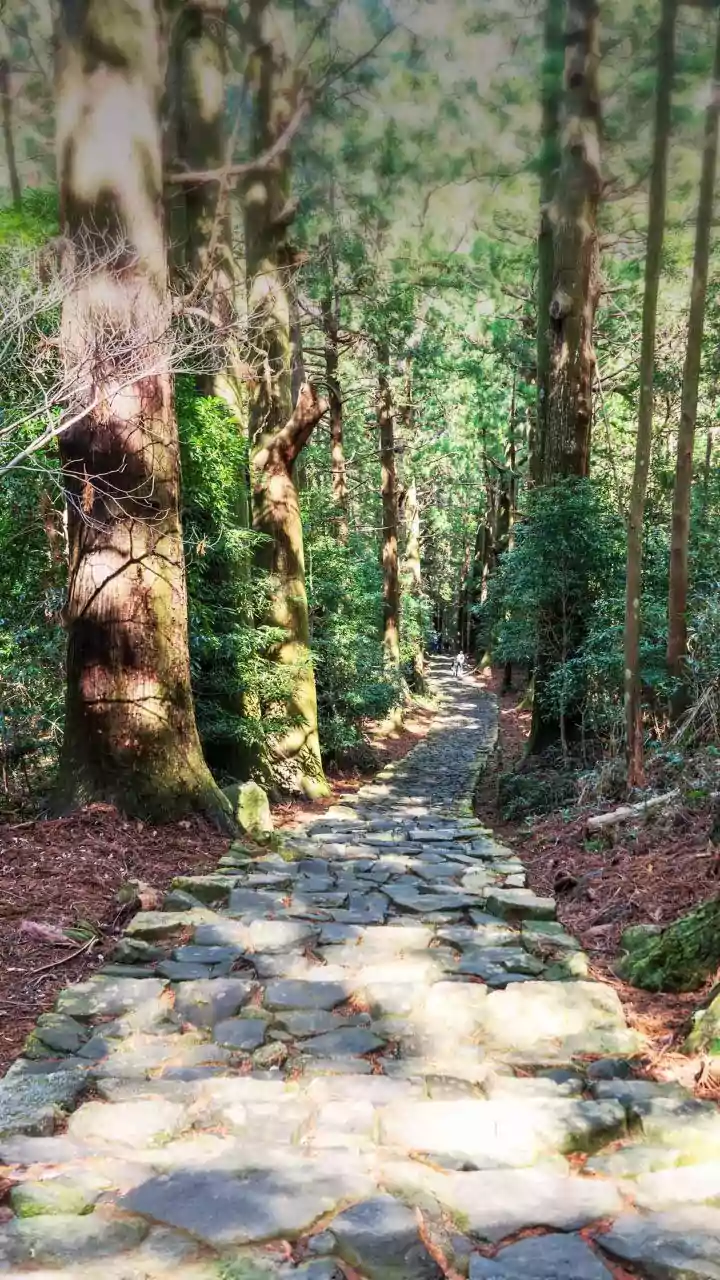
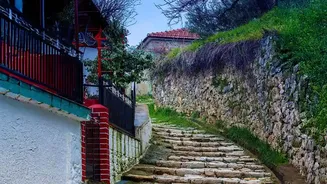
Many of Greece’s most rewarding hiking routes aren't modern trails but 'kalderimia'. These are traditional stone-paved paths, often centuries old, built for mules and foot traffic long before the existence of asphalt roads. They formed the original transport
network, connecting villages, monasteries, and agricultural lands. Today, they offer hikers a direct link to the country's past, winding through olive groves, rugged gorges, and forgotten settlements. Trails can vary from well-maintained, clearly marked routes like the Menalon Trail in the Peloponnese—the first in Greece to be certified by the European Ramblers Association—to overgrown and barely visible tracks on less-trafficked islands.
Choosing Your Season Wisely
Timing is everything when hiking in Greece. While the country is famous for its sunshine, the summer heat can be dangerous and is best avoided for serious hiking. July and August often see temperatures soar above 35°C, especially on the mainland, making midday trekking extremely risky. The two golden windows for walkers are spring (April to early June) and autumn (September to October). In spring, the countryside is lush and carpeted with wildflowers. Autumn offers stable, dry weather and the sea is still warm enough for a post-hike swim. Winter hiking is possible on southern islands like Crete and Corfu, but expect some rain and fewer open facilities.
Mainland Mountains vs. Island Coasts
Greece effectively offers two different hiking experiences: the mountainous mainland and the coastal islands. The mainland, including regions like Epirus and the Peloponnese, is home to dramatic peaks, deep gorges like Vikos, and mythical mountains such as Olympus. These areas provide challenging, high-altitude treks but are generally accessible only in the shoulder seasons due to snow in winter and extreme heat in summer. Island hiking, on the other hand, is defined by stunning sea views, coastal paths, and routes linking whitewashed villages. Islands like Corfu, Crete, and those in the Cyclades offer extensive trail networks. Logistics can be simpler on the islands, with villages providing accommodation and food along the way, but you'll still need to plan for sun exposure and water.
Famous Trails for Inspiration
For a well-marked, village-to-village experience, the 75-kilometer Menalon Trail in Arcadia is a perfect starting point, passing through nine traditional villages and stunning landscapes. On the islands, the 220-kilometer Corfu Trail runs the entire length of the island, offering a diverse journey through olive groves, beaches, and mountain villages. For those seeking a monumental challenge, the E4 European long-distance path crosses the entire country, with a particularly dramatic and rugged section traversing the length of Crete. This Cretan section alone is over 320 kilometers and is recommended only for experienced hikers due to its challenging terrain and sometimes-unclear markings.
Essential Gear and Navigation
Standard hiking gear applies, but with a few Greek-specific considerations. Sturdy hiking shoes with good ankle support are non-negotiable for the rocky, uneven surfaces of the kalderimia. Sun protection is critical: a wide-brimmed hat, sunglasses, and high-SPF sunscreen are essential. Plan to carry more water than you think you'll need, as sources can be scarce. While trail marking is improving, it can be inconsistent. Relying solely on painted signs is risky. A combination of a reliable GPS device or a smartphone app with offline maps, along with a physical map as a backup, is the safest approach to navigation.