






Why Are Oil Prices Surging?
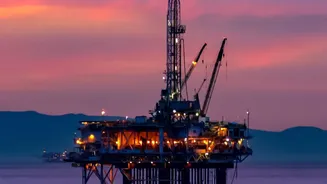
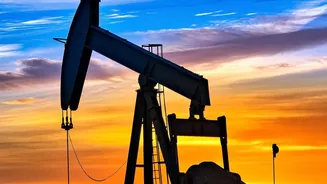
The primary driver behind the recent spike in oil prices is escalating geopolitical tension in the Middle East. Ongoing conflict between the US and Iran has raised significant concerns about potential disruptions to oil supply through the Strait of Hormuz,
a critical channel for global energy shipments. Traders are adding a risk premium to crude prices, anticipating that any further escalation could constrain supply for the remainder of 2026. This external pressure comes as India, which imports over 88% of its crude oil, sees rising domestic demand for petrol and diesel, creating a perfect storm for higher costs.
Brace for Pricier Flights
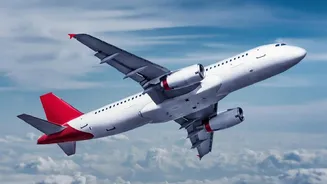
For air travellers, the most immediate impact will be on ticket prices. Aviation Turbine Fuel (ATF), which constitutes 35-40% of an airline's operating costs in India, is directly linked to global crude prices. On September 1, Indian oil marketing companies hiked ATF prices by 5.46%, the second consecutive monthly increase. This brings the price to ₹121.28 per litre in Delhi. While airlines have not yet announced fare hikes, industry experts believe it is only a matter of time before these increased costs are passed on to passengers, especially with the festive season approaching.
The Direct Hit at the Petrol Pump
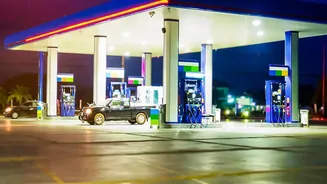
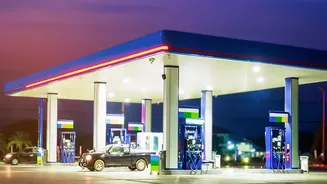
While retail prices for petrol and diesel have remained largely unchanged so far, this stability may not last. The average price India pays for its crude oil imports crossed the $100 per barrel mark in early September for the first time in six weeks. State-run oil companies, which control the vast majority of fuel stations, are facing mounting pressure. If international prices remain elevated, these companies will likely seek government approval to increase pump prices to cover their costs. This means that road trips and daily commutes will soon become more expensive across the country.
The Ripple Effect on Your Holiday
The impact of rising oil prices extends beyond just flights and personal vehicles. Higher diesel costs translate directly to increased operational expenses for transportation and logistics. This means the cost of taxis, ride-hailing services, and tourist buses at your destination are all likely to rise. Furthermore, businesses across the tourism sector, from hotels to restaurants, will face higher costs for transporting goods and supplies. Some of these expenses will inevitably be passed on to the consumer, leading to a general increase in the cost of everything from a hotel room to a meal out during your travels.
Smart Strategies for Savvy Travellers
While rising costs are unavoidable, smart planning can help mitigate the financial sting. First, book flights and accommodations as early as possible. Fares are likely to climb closer to the travel date, especially as fuel costs increase. Second, consider alternative modes of transport. For shorter distances, train travel can be a more economical and comfortable option. If you are planning a road trip, use apps to find the cheapest fuel stations along your route and practice fuel-efficient driving, such as maintaining a steady speed and ensuring your tires are properly inflated. Finally, be flexible with your travel dates; flying on a weekday is often cheaper than on a weekend.