



An Introduction to Podi
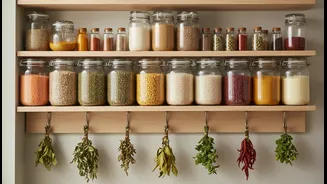
Before it landed on pizza, podi was already a beloved staple in South Indian homes. The term, which translates to 'powder' in several South Indian languages, refers to a wide variety of coarse spice mixes. These blends are typically made from a base of slow-roasted
lentils, seeds, herbs, and spices like chilli, pepper, and cumin. Each family often has its own heirloom recipe, resulting in countless variations, from the famously fiery 'gunpowder' (milaga podi) to nutty, lentil-based paruppu podi. Traditionally mixed with ghee or oil, podi is sprinkled over idlis, dosas, or rice to add a potent burst of flavour, texture, and aroma. It's considered a 'flavour bomb' by chefs, capable of transforming a simple meal into something extraordinary.
The Unlikely Marriage of Podi and Pizza
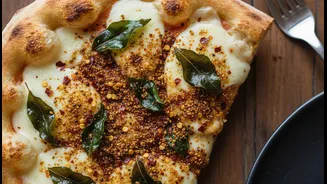
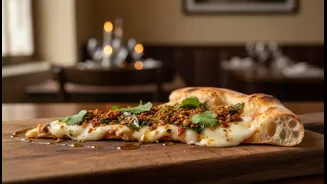
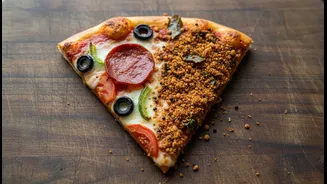
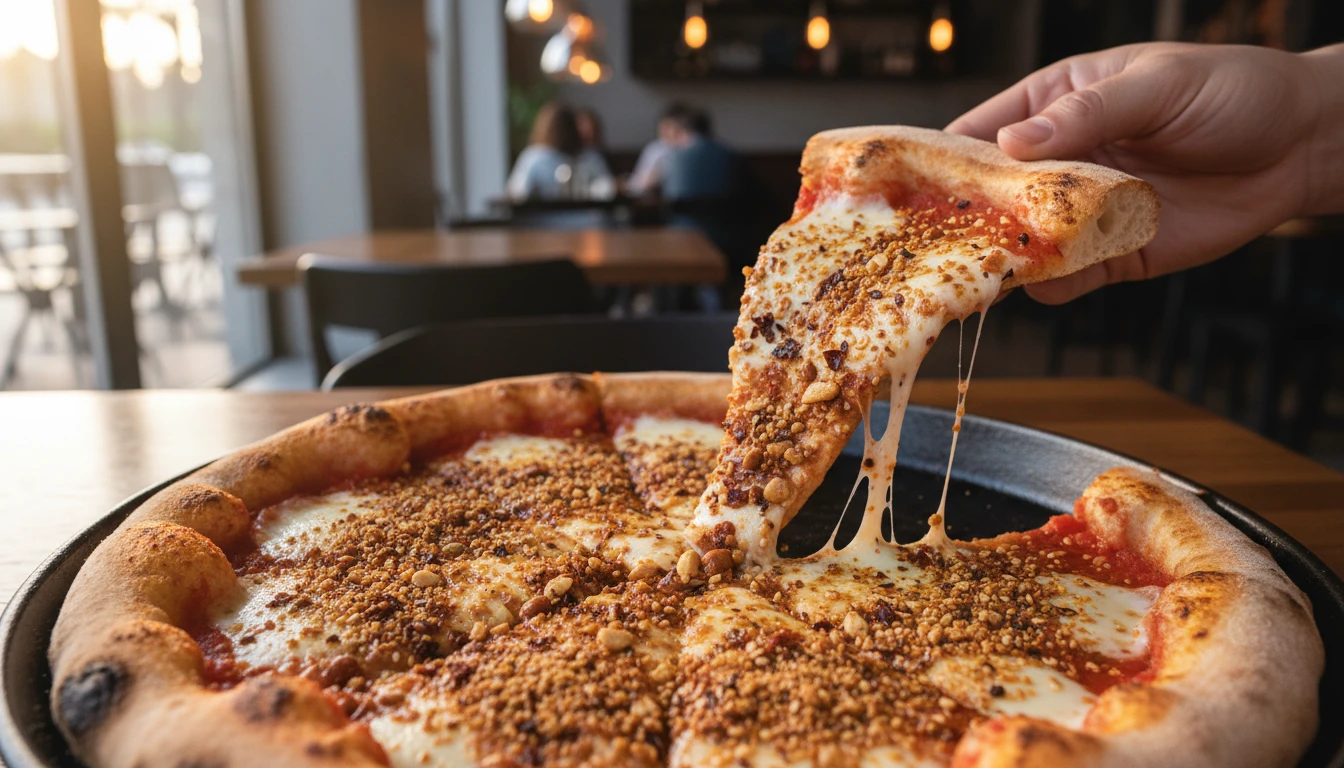
The idea of sprinkling this quintessential Indian condiment onto a classic Italian pizza might seem strange at first, but it’s a match that makes perfect sense upon the first bite. The global format of pizza has long been a canvas for local flavours in India, with toppings like paneer tikka and tandoori chicken becoming mainstream successes. The podi pizza is the latest evolution in this story of Indian-Italian fusion. It works because it bridges the familiar with the exciting. The pizza base provides a comforting, universally loved foundation, while the podi introduces a complex, spicy, and nutty crunch that cuts through the richness of the cheese and sauce, creating a uniquely satisfying experience that is both new and deeply rooted in Indian taste profiles.
From Niche Trend to Home Kitchen Staple
What began in adventurous cafes and restaurants has quickly trickled down into home kitchens across the country. The rise of social media food culture has played a significant role, with home cooks and food bloggers sharing their own versions of podi pizza, from using naan bread as a quick base to crafting their own artisanal dough. This trend is empowering home cooks to move beyond simply following recipes and to start thinking like chefs. Armed with a jar of their favourite podi, they are experimenting with new combinations, treating the pizza as a blank slate for their own creativity. It represents a newfound confidence in the Indian kitchen—a willingness to break the rules and fuse global formats with cherished local flavours.
The Broader Movement of Culinary Fusion
Podi on pizza isn't happening in a vacuum. It is part of a larger culinary movement that has been evolving for decades. Indian cuisine has a long history of absorbing and adapting outside influences, from the Portuguese introducing chillies to the Mughal’s gift of the tandoor. In recent years, this has accelerated. Chefs and home cooks are no longer just reinterpreting international dishes; they are confidently creating a new culinary language. We see it in pasta dishes made with goda masala, samosas filled with macaroni and cheese, and biryani-spiced risotto. This new wave of fusion is less about novelty and more about a thoughtful and delicious dialogue between cultures, driven by a generation that is both globally connected and proud of its own culinary heritage.
Why We Love to Experiment
The appeal of fusion food like podi pizza lies in its ability to offer a sensory adventure. It provides a bridge to new cultures by blending unfamiliar ingredients with dishes we already know and love, making culinary exploration feel accessible and exciting rather than intimidating. For the home cook, this experimentation is a powerful form of self-expression. It’s a way to break the monotony of daily cooking, to play with flavours, and to create something new and personal. In an increasingly interconnected world, our food reflects our reality. It's a blend of traditions, a mix of histories, and a celebration of diversity on a plate. The podi pizza is a perfect example of this—a dish that tells a story of migration, adaptation, and the joy of creating something new.