



More Than Just a Meal in Microgravity
Eating in space is fundamentally different from dining on Earth. In a zero-gravity environment, simple things like crumbs can become a serious hazard, capable of floating into and damaging sensitive equipment. Food must be specially designed to be low-fragmentation.
Furthermore, the physiological toll of spaceflight is immense. Astronauts experience bone density loss, muscle atrophy, and even changes in their sense of taste. Therefore, their diet must be meticulously engineered to be nutritionally dense, providing precise amounts of calories, vitamins, and minerals to counteract these effects. Beyond the physical requirements, food plays a critical psychological role. For astronauts isolated hundreds of kilometres from home, a familiar meal can be a powerful morale booster, providing comfort and a tangible link to their culture.
The Culinary Experts Behind the Mission
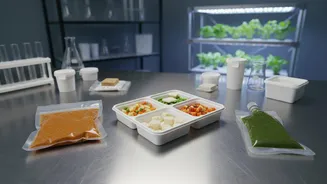
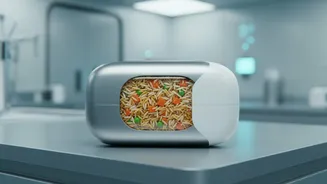
While Hyderabad is a major hub for India's aerospace industry, the heart of the country's space food innovation lies at the Defence Food Research Laboratory (DFRL) in Mysuru. This establishment, part of the Defence Research and Development Organisation (DRDO), has decades of experience creating specialized rations for soldiers operating in extreme conditions. For the Gaganyaan mission, DFRL scientists have adapted this expertise for the unique challenges of space. They have developed a variety of ready-to-eat meals using technologies like thermo-stabilisation and freeze-drying. These processes ensure the food is lightweight, has a long shelf-life without refrigeration, and remains safe and palatable for the duration of the mission. The food is packaged in specially designed pouches that allow for easy rehydration and consumption in zero gravity.
A Taste of Home Among the Stars
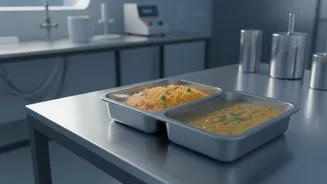
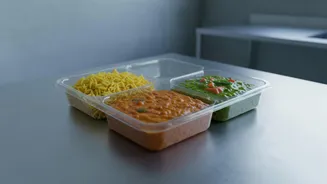
The menu developed for India's astronauts is a testament to the country's rich culinary diversity, designed to provide both nutrition and comfort. The list includes familiar favourites from across the nation, ensuring the crew feels connected to home. Astronauts will be able to enjoy dishes like vegetable biryani, chicken korma, chapati, dal makhani, and aloo paratha. For breakfast and snacks, options like idli, upma, and moong dal halwa are on the menu. Even quintessential Indian flavours like pickles will be available. These meals are prepared to be mildly spiced to suit the altered taste perception in space, but optional spice sachets are provided for those who prefer an extra kick. This thoughtful approach ensures that the crew is not just fed, but also emotionally sustained.
Fuelling India's Cosmic Leap
The space food program is far more than a catering service; it is a critical component of India's larger space ambitions. The success of the Gaganyaan mission hinges on the health, well-being, and peak performance of its crew. A robust and appealing food system directly contributes to this by maintaining the astronauts' physical strength and mental fortitude. An undernourished or demoralised crew cannot perform complex tasks or handle emergencies effectively. By developing this capability in-house, India demonstrates its self-reliance and comprehensive approach to human spaceflight. The knowledge gained from this program will be invaluable for future, more ambitious long-duration missions, positioning India as a serious player in space exploration. The meticulous attention to an astronaut's diet is a powerful symbol of how every detail, no matter how small, is crucial when reaching for the stars.