



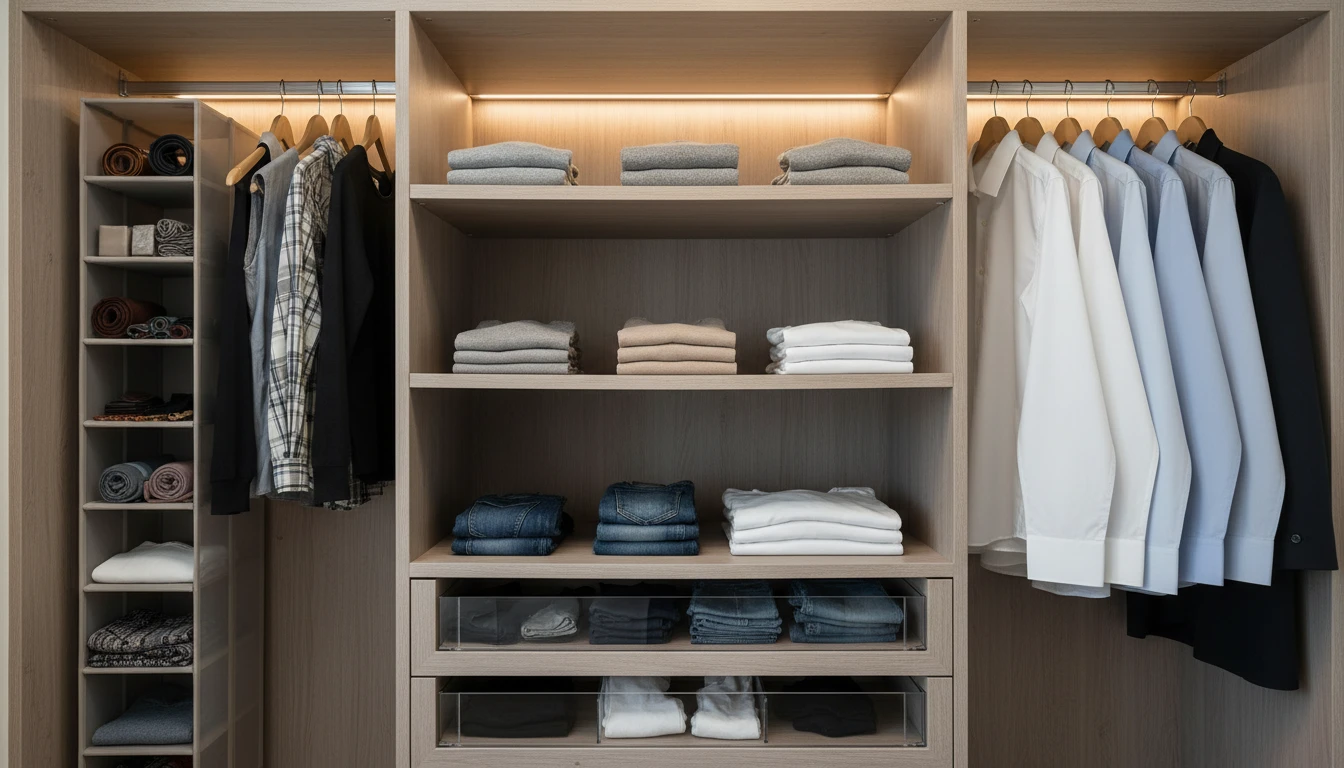




The Rise of the Smart Wardrobe
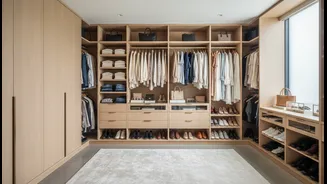
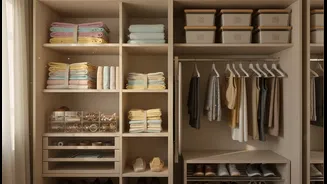
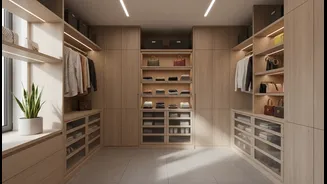
The traditional almirah is getting a major upgrade. In today's urban Indian home, a 'smart wardrobe' is less about technology and more about thoughtful design that maximizes every inch. With shrinking bedroom sizes, the focus has shifted to vertical space
and modularity. Floor-to-ceiling units are becoming standard, eliminating the dusty, hard-to-reach top surface and providing valuable storage for seasonal items like quilts and luggage. Inside, it's all about customization. Sliding doors are preferred over hinged ones because they don't require swing space, a crucial advantage in compact rooms. Interiors are kitted out with pull-out trouser racks, dedicated saree sections, and modular shelves that can be adjusted as needs change. Integrated LED lighting that turns on automatically and valet rods to stage the next day's outfit are no longer luxury features but practical additions that simplify morning routines.
The Art of Concealed Storage
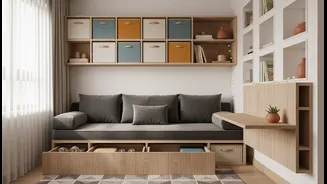
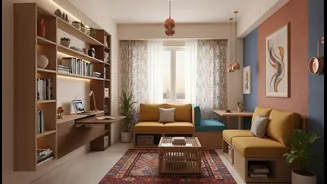
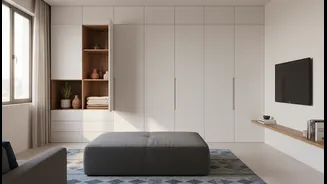
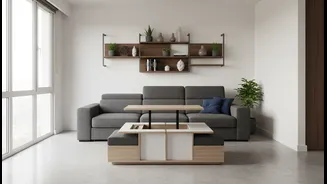
Clutter is the enemy of calm, and in a smaller home, visual noise can quickly become overwhelming. This has led to a surge in hidden and multi-functional storage solutions designed to keep floors clear and surfaces clean. Furniture is now expected to do double duty. Hydraulic lift beds offer massive, unseen storage compartments perfect for extra bedding and seasonal clothes. Storage ottomans serve as seating and discreet boxes for toys or throws, while wall-mounted TV units replace bulky consoles. Designers are also getting creative with unused spaces. The area under a staircase, awkward corners, and even the space behind a mirror can be converted into functional storage. These solutions allow homeowners to maintain a clean, minimalist aesthetic without sacrificing the items they need, blending functionality seamlessly with the home's design.
Decluttering with a Sustainable Conscience
The movement towards a more organized home is no longer just about creating a tidy space; it's increasingly about mindful consumption and sustainability. The concept of decluttering in India is evolving beyond simply throwing things away—a practice that often feels wasteful. Instead, a more conscious approach is taking hold, one focused on responsible disposal and thoughtful purchasing. This involves donating gently used clothes, books, and furniture to NGOs like Goonj or local community groups. For items that can't be donated, recycling and upcycling are gaining traction, with old clothes being turned into shopping bags or old furniture getting a new lease of life with a coat of paint. This sustainable mindset also influences buying habits, with a growing preference for durable, high-quality items over disposable ones, aiming to reduce the influx of future clutter. Online communities and WhatsApp groups dedicated to decluttering and swapping secondhand goods are also becoming popular, creating a community around sustainable living.
More Than a Trend: A Search for Calm
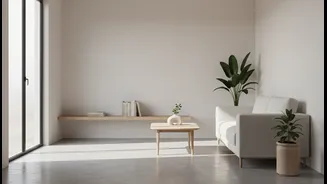
Ultimately, the growing relevance of these organizational systems points to a deeper shift in urban Indian lifestyles. It's a response to the pressures of fast-paced city living, where the home needs to be a sanctuary from the chaos outside. An organized environment is linked to reduced stress and improved mental clarity. When our physical space is cluttered, our minds can feel cluttered too, making it harder to focus and relax. By creating systems for storage and decluttering, people are reclaiming a sense of control over their environment. This movement is less about chasing a minimalist aesthetic and more about building a functional, peaceful, and intentional home that actively supports well-being. It reflects a value shift from simply owning things to creating a space that enhances quality of life.