






An Unseen, Constant Battle
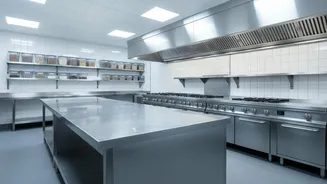
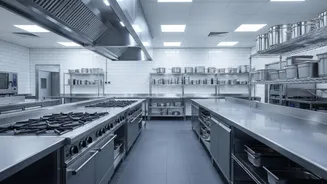
Commercial kitchens are a paradise for pests. The constant presence of food, moisture, and warmth creates an ideal breeding ground for insects and rodents. From the back door where supplies arrive to the drains under the sink, potential entry points and hiding
spots are everywhere. The fast-paced environment, with its high volume of raw ingredients and food waste, makes constant vigilance a necessity. Common culprits in Indian restaurant kitchens include German cockroaches, rodents like rats and mice, and various types of flies, each capable of contaminating surfaces and spreading disease. A single pest sighting can be a sign of a much larger infestation, posing a significant risk to public health and a restaurant's reputation.
What the Law Demands: FSSAI Rules
Pest control in India is not just a good practice; it's a legal requirement strictly enforced by the Food Safety and Standards Authority of India (FSSAI). Under FSSAI's Schedule 4 guidelines, all food business operators must maintain premises free from pests and implement a robust, documented pest control program. This isn't a mere suggestion—inspectors actively check for compliance. The rules are specific: restaurants must have a written plan, maintain records of all treatments, use a licensed pest control operator, and ensure any chemicals used are approved and stored safely away from food. Failure to comply can lead to heavy penalties, licence suspension, and even business closure.
Beyond Spraying: The Gold Standard of IPM
Modern, effective pest control goes far beyond simply spraying insecticides. The most respected and required approach is Integrated Pest Management (IPM). IPM is a sustainable and science-based strategy that focuses on long-term prevention. It combines several methods, prioritizing non-chemical solutions first. The core idea is to make the environment inhospitable to pests. This involves a cycle of inspection, identification of pests, establishing action thresholds, and implementing a combination of controls. Chemical treatments are used only as a last resort, and even then, targeted, low-risk products are preferred.
Prevention First: IPM in Action
The foundation of a good IPM program is prevention. This starts with 'exclusion'—physically blocking pests from entering. Simple measures like sealing cracks in walls, installing brush strips at the bottom of doors, and ensuring windows have fly screens are crucial first steps. Next comes sanitation. This means managing waste properly in covered bins, cleaning up spills immediately, and ensuring food is stored in pest-proof containers off the floor and away from walls. Regular inspections of incoming supplies are also vital, as pests can hitch a ride on boxes and ingredient sacks. A professional IPM provider will also use monitoring tools like glue boards and traps to detect pest activity early, before it becomes a full-blown infestation.
Documentation and Due Diligence
For a restaurant to be truly compliant, documentation is key. FSSAI inspectors require a dedicated file containing all pest control records. This includes the service contract with a licensed agency, detailed reports after each visit, a log of any pest sightings by staff, and Material Safety Data Sheets (MSDS) for any chemicals used. This paper trail proves that the restaurant is not just reacting to problems but is proactively managing food safety. Using only government-approved chemicals applied by a licensed professional is a non-negotiable part of this process.