


A Landmark Partnership for a National Ambition
The Indian Space Research Organisation (ISRO) and the All India Institute of Medical Sciences (AIIMS) in New Delhi have signed a Memorandum of Understanding (MoU) to formally cooperate on space medicine. This strategic alliance is a critical step in supporting
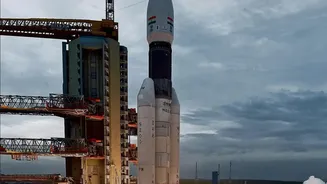
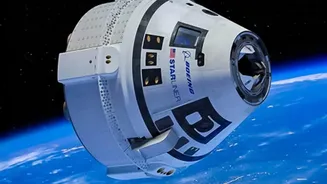
India's ambitious human spaceflight programme, including the Gaganyaan mission and future long-duration stays at the proposed Bharatiya Antariksh Station. The partnership brings together the country's best minds in space technology and medical science to tackle one of the most complex challenges: keeping humans healthy in the harsh environment of space. The agreement establishes a framework for joint research, training, and the development of medical protocols to ensure the safety and peak performance of Indian astronauts, or 'Vyomanauts'.
The Unique Health Challenges of Space
Space is an extreme environment that takes a significant toll on the human body. Without Earth's gravity, astronauts face a host of physiological challenges. These include muscle atrophy and bone density loss, with astronauts potentially losing 1-2% of their bone mass for each month in space. The cardiovascular system also adapts, with fluid shifting towards the head, causing the 'puffy-face' look seen in many astronauts. Beyond microgravity, exposure to cosmic radiation increases the risk of long-term health issues. Additionally, the isolation and confinement of space missions can lead to significant psychological and behavioural stress. This ISRO-AIIMS collaboration is designed to study these effects comprehensively and develop effective countermeasures.
Developing Made-in-India Solutions
The partnership will focus on a wide range of research areas to create homegrown solutions for astronaut health. Key fields of study include human physiology, cardiovascular health, musculoskeletal changes, immunology, and behavioural health. A major goal is the development of specialised medical devices, procedures, and clinical protocols tailored for space missions. This could involve creating advanced wearable sensors to monitor vital signs in real-time, designing compact medical kits for in-flight emergencies, and establishing telemedicine protocols so that ground-based doctors at AIIMS can monitor and guide astronauts. The research aims to build a comprehensive system for maintaining health, from pre-flight screening and in-flight monitoring to post-mission rehabilitation.
The Spinoffs: From Space to Your Local Clinic
Perhaps the most exciting aspect of this collaboration is its potential to benefit healthcare on Earth. Innovations designed for the extreme constraints of space often find powerful applications in terrestrial medicine. For example, studying muscle and bone loss in astronauts provides a model of accelerated ageing, which can lead to new insights and treatments for osteoporosis and age-related muscle decline here on Earth. Telemedicine and remote monitoring technologies developed to care for astronauts hundreds of kilometres away can be adapted to provide expert medical access to remote and rural parts of India. Devices engineered for a space capsule’s limited resources could lead to more portable, efficient, and affordable medical equipment for clinics and hospitals everywhere. As AIIMS Director Prof. M. Srinivas noted, the research is expected to benefit patients, the nation, and ultimately, all of humankind.