








The 24-Degree 'Sweet Spot'
The single most effective change you can make is adjusting your thermostat. Many people believe setting the air conditioner to its lowest temperature, like 16°C or 18°C, cools a room faster. This is a common myth. An AC cools at a constant rate, and setting a very
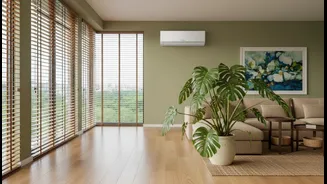
low temperature only forces the compressor to work non-stop, consuming enormous amounts of power. The Bureau of Energy Efficiency (BEE) recommends a default setting of 24°C for optimal comfort and energy savings. In fact, for every degree you raise the temperature, you can save up to 6% on electricity consumption. Making 24°C to 26°C your default range keeps you comfortable while significantly reducing the strain on your AC and your wallet.
Master the Art of Passive Cooling
True comfort isn't just about refrigerated air; it's about reducing the heat entering your home in the first place. Passive cooling techniques, used in traditional Indian architecture for centuries, are more relevant than ever. Start by blocking direct sunlight during the hottest parts of the day using thick, dark curtains or blinds. This simple step can significantly lower the indoor temperature. At night, when the air is cooler, use cross-ventilation by opening windows on opposite sides of your home to flush out the heat absorbed during the day. Even for renters, these low-cost strategies make a noticeable difference. Homeowners can consider more permanent solutions like reflective white paint on the roof or installing traditional 'jaalis' (lattice screens) that block harsh sun while allowing airflow.
Make Your AC and Fan a Power Duo
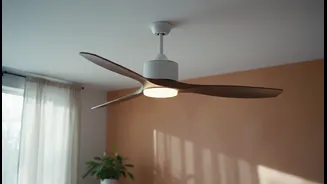
Running a ceiling fan alongside your air conditioner might seem counterintuitive, but it's a highly effective energy-saving strategy. A fan doesn't lower the room's temperature, but it circulates the cool air more efficiently and creates a wind-chill effect on your skin, making the room feel several degrees cooler than it actually is. This allows you to set your AC to a higher, more economical temperature like 26°C while the fan does the work of keeping you feeling chilly. The fan consumes a fraction of the electricity your AC does, so using them in tandem provides maximum comfort for minimal cost.
Smart Maintenance for Renters and Owners
An inefficient air conditioner is an expensive one. The easiest and most crucial maintenance task for anyone is cleaning the AC's air filters. A clogged filter restricts airflow, forcing the machine to work harder and consume more power to cool the room. Aim to clean your filters every 15 to 30 days during periods of heavy use. Additionally, ensure the room is properly sealed. Cool air can easily escape through gaps under doors or around windows, forcing your AC to run continuously. Using simple solutions like weather stripping or even a rolled-up towel at the base of a door can make a significant difference in how long your room stays cool, allowing the AC's compressor to take a rest.
Invest Smart for Long-Term Savings
For homeowners looking to make a lasting impact, investing in energy efficiency pays dividends. When buying a new air conditioner, prioritize models with a high BEE star rating. A 5-star AC can consume up to 28% less energy than a 3-star model, leading to substantial long-term savings on your bills. While the initial cost may be higher, the lower running costs make it a financially sound decision over the appliance's lifespan. Other impactful investments include upgrading old, inefficient appliances like refrigerators, which run 24/7 and can be major power drains. Exploring solar power through schemes like the PM Surya Ghar Yojana can also drastically reduce or even eliminate electricity bills by generating your own clean energy.