





The Silent Health Crisis in Our Workspaces
In bustling Indian cities, the workday often begins and ends with a long, seated commute. In between, professionals can spend over eight hours at their desks, glued to screens. This culture of constant sitting is fuelling a quiet but serious health crisis.
Studies show that a sedentary lifestyle is a major concern in India, with prolonged sitting linked to a higher risk of chronic diseases like diabetes, heart conditions, and obesity. In fact, some research indicates that working men and women in sedentary jobs show a high prevalence of abdominal obesity, a key risk factor for metabolic issues. Young professionals between 25 and 40 are increasingly being diagnosed with lifestyle diseases, highlighting the urgent need to break this cycle of inactivity. The damage isn't just long-term; it manifests daily as back pain, neck strain, and mental fatigue.
Why 'Tiny' Is the Magic Word
When faced with a packed schedule, the idea of a long workout can seem impossible. This is where the magic of 'micro-breaks' comes in. A micro-break is a short, informal pause taken throughout the day, and research suggests that a five-minute walk every hour might be the sweet spot. Studies have found that these brief, hourly walks are more effective at boosting mood, fighting fatigue, and even reducing food cravings than a single 30-minute exercise session. The science is compelling: frequent, short bursts of movement increase blood flow to the brain, which can sharpen focus and help you break through mental blocks. This approach disrupts the harmful, continuous cycle of sitting, offering a sustainable way to inject activity into your day without affecting productivity. In fact, these 'movement snacks' may even make the rest of your working hour more effective.
The Five-Minute Fix: How It Works
Embracing tiny walking breaks doesn't require a gym membership or a change of clothes. The goal is simply to get up and move. This can be as simple as walking to the office pantry to get water, taking a lap around your floor, or choosing to use the stairs instead of the lift. If you have a phone call, pace around while you talk. The key is consistency. Research shows that walking after a meal can be particularly beneficial, as it helps your muscles use the sugar from your bloodstream, improving blood sugar control. One study even found that three 15-minute walks after meals were more effective at managing blood glucose than one 45-minute walk. The body also expends slightly more energy in the first 30 seconds of moving, meaning multiple short walks can add up to a significant metabolic boost over the day.
Making It Happen in Your Office
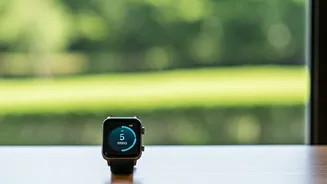
Incorporating a new habit at work can have its challenges, from high workloads to cultural expectations about being constantly at your desk. The first step is to make it easy. Set a recurring timer on your phone or computer for every hour to remind yourself to stand up. You can also make your environment work for you; for example, use a smaller water bottle so you have to get up more often for refills. Find a 'walking buddy' in a colleague to keep each other accountable. If you're concerned about perception, frame your breaks as a way to recharge and maintain focus. Many employers are beginning to recognise the importance of employee wellness and are creating cultures that support such breaks. Remember, this isn't about slacking off—it's a scientifically-backed strategy to improve your health and your work performance.
Beyond the Walk: Other Micro-Habits
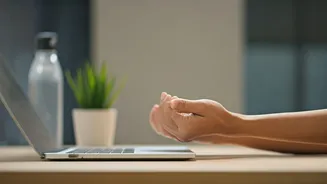
While walking is fantastic, any form of movement is beneficial. If you can't leave your desk, you can still take a micro-break. Try simple desk stretches for your neck, shoulders, and back to relieve tension. Another effective technique is the 20-20-20 rule for your eyes: every 20 minutes, look at something 20 feet away for 20 seconds to reduce eye strain. Even just standing up for a minute or two can help. These small actions, when done consistently, complement your walking breaks and contribute to a more active, healthier workday.