







The Power of Dietary Nitrates
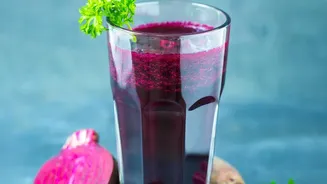
Beetroot is naturally rich in compounds called dietary nitrates (NO3-). While also found in leafy greens like spinach and kale, beetroot is one of the most concentrated and bioavailable sources. These nitrates are the key ingredient behind the vegetable's
athletic buzz. When you consume beetroot extract or juice, you're loading your body with the raw material for a powerful physiological process that can have a direct impact on your muscles during intense exercise.
The Nitrate to Nitric Oxide Pathway
Once ingested, the journey from nitrate to performance enhancer begins. Bacteria in your mouth convert the nitrates into nitrites (NO2-). This is a crucial first step; in fact, using antibacterial mouthwash can actually blunt the effect. Once absorbed into the bloodstream, this nitrite can then be converted into nitric oxide (NO), particularly in areas of the body with low oxygen levels—like your muscles during a hard workout. This conversion process is what unlocks the benefits for athletes.
Vascular Expansion Explained
Nitric oxide is a potent vasodilator, which means it signals the smooth muscles in the walls of your blood vessels to relax. This relaxation causes the vessels to widen, a process known as vasodilation or vascular expansion. Think of it as opening up the body's highways. This widening allows more blood to flow freely throughout your system, and it does so with less resistance, which can even help reduce resting blood pressure. For an athlete, this increased blood flow is critical.
Fueling High-Speed Sprints
During a high-speed sprint, your muscles are working incredibly hard and demanding a massive supply of oxygen and nutrients. The enhanced blood flow from nitric oxide-induced vasodilation helps meet this demand more effectively. More blood means more oxygen delivered to the working muscles. This can improve your muscle's efficiency, meaning it may be able to produce more power for the same amount of oxygen consumed. Some research suggests this can lead to better muscle contractility and a greater tolerance for high-intensity exercise, which is essential for sprinters.
The 'Micro-Dosing' Strategy
The term "micro-dosing" here refers not to a single tiny amount, but to a consistent, daily supplementation strategy. While a single, larger dose of beetroot juice taken about 2-3 hours before an event can peak nitrite levels in the blood, some research suggests a chronic loading strategy might be more effective. This involves taking a smaller, measured dose of beetroot extract daily for several days leading up to a competition. The theory is that this approach helps maintain elevated levels of nitric oxide availability in the body, ensuring the benefits are present when needed without requiring a large volume of juice right before a race. This can also be referred to as a nitrate loading phase.
What Does the Evidence Say?
The science linking beetroot nitrates to enhanced performance is promising, but the results can be mixed, particularly for short, explosive sprints. Many studies show clear benefits in endurance and high-intensity exercise lasting several minutes. However, some studies focusing specifically on very short sprints have found no significant improvement. The benefits may be more pronounced for repeated sprints, such as those in team sports, where improved oxygen delivery can aid recovery between efforts. It also appears that recreational athletes may see a greater benefit than highly trained elite athletes, whose bodies are already incredibly efficient.