
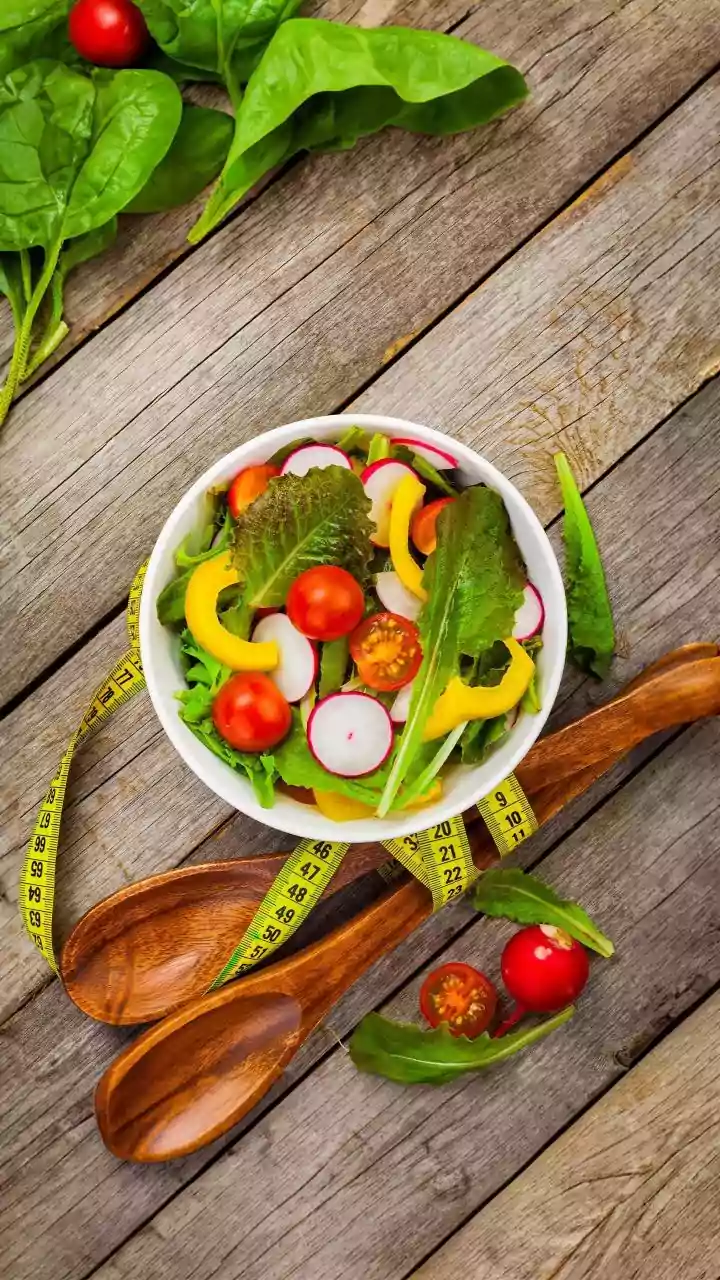






Your Monsoon Vegetable Basket
During the rainy season, your choice of vegetables matters more than ever. The high moisture content in the air and soil creates a breeding ground for germs. It’s wise to be cautious with leafy greens like spinach and cabbage, as they grow close to the ground and can
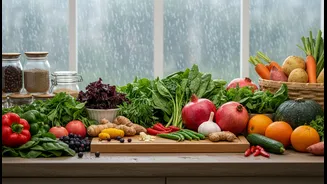
be harder to clean effectively. Instead, embrace vegetables that are naturally more resilient this season. Gourds are an excellent choice; bottle gourd (lauki), ridge gourd (turai), bitter gourd (karela), and snake gourd are light, easy to digest, and packed with nutrients. Pumpkin (kaddu), with its immunity-boosting Vitamin A, and other vegetables like okra (bhindi), cluster beans (guar), and drumsticks are also great additions to your monsoon diet. If you do consume leafy greens, ensure they are cooked thoroughly rather than eaten raw in salads.
The Golden Rules of Kitchen Hygiene
A clean kitchen is your first line of defense against monsoon-related illnesses. High humidity causes bacteria and mold to multiply rapidly, so extra vigilance is required. Start by washing your hands thoroughly before and after handling food. Make it a habit to wipe down countertops and surfaces with a disinfectant after every use, ensuring they are completely dry. Standing water is a major risk, so don't let water pool around the sink. It’s also crucial to use separate cutting boards for vegetables and raw meat to prevent cross-contamination. Pay attention to food storage; keep grains, spices, and pulses in airtight containers to protect them from moisture. Finally, ensure your kitchen is well-ventilated by using an exhaust fan while cooking to pull humid air out.
Washing Produce the Right Way
Simply rinsing vegetables under tap water may not be enough during the monsoon. To effectively remove dirt, pesticides, and microbes, adopt a more thorough cleaning process. A popular and effective method is to soak your vegetables in a bowl of water with a tablespoon of salt or a splash of white vinegar for about 10-15 minutes. This helps dislodge hidden insects and reduces bacterial contamination. After soaking, rinse them again under clean, running water. For produce with firm skin, you can gently scrub them. When it comes to leafy vegetables, it's best to separate the leaves and wash them individually before proceeding with a soak. Always dry your produce with a clean cloth or paper towel before storing or cooking.
Embrace Immunity-Boosting Foods
The monsoon diet should focus on strengthening your immune system. Incorporate warming spices like turmeric, ginger, garlic, and black pepper into your daily cooking. These ingredients are known for their antimicrobial and anti-inflammatory properties and also aid digestion. Opt for warm, freshly cooked meals over cold or raw foods. Light and nutritious meals like khichdi, dal, and vegetable soups are ideal as they are easy on the digestive system, which tends to be sluggish during this season. Herbal teas made with tulsi, ginger, or cinnamon are excellent for staying hydrated and boosting immunity. Including probiotic-rich foods like homemade curd can also promote a healthy gut.
What to Limit or Avoid
Just as important as what to eat is knowing what to avoid. Street food, especially items like pani puri, chaat, and pre-cut fruits, poses a high risk of contamination from unsafe water and unhygienic preparation. It's also a good idea to be cautious with seafood, as the monsoon is the breeding season for many fish, increasing the risk of spoilage. Fried and oily foods like pakoras and samosas, while tempting, are heavy and can strain your digestive system. Leftover food, particularly cooked rice, should be refrigerated promptly and not left at room temperature, as the humidity can cause bacteria to multiply quickly. By being selective, you can significantly reduce your chances of falling ill.