


The Rise of Ruby Red
First, let's be clear: hibiscus tea is not new. Known as 'sorrel' in the Caribbean, 'karkade' in Egypt, and 'agua de Jamaica' in Mexico, this vibrant beverage made from the dried calyces of the roselle flower has been a global staple for centuries. Traditionally
enjoyed both hot and cold, it's beloved for its distinctly tart, cranberry-like flavour that is both refreshing and complex. What is new, however, is its rapid ascent into the pantheon of must-have lifestyle drinks in urban India. Once relegated to health food stores or artisanal cafes, hibiscus tea has exploded into the mainstream, fueled by a unique combination of visual appeal, wellness benefits, and creative potential.
Engineered for the ‘Gram
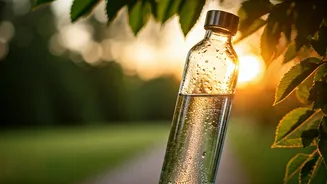
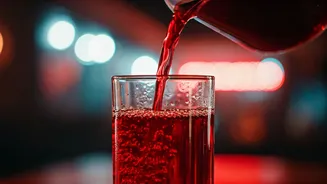
The primary driver of this trend is undeniably its aesthetic. In a visual-first world, hibiscus tea is a natural star. Its stunning, deep ruby-red to magenta hue pops in photographs, making it an instant hit on platforms like Instagram and Pinterest. Unlike a standard cup of chai or coffee, hibiscus tea offers a brilliant splash of colour that signals something special, exotic, and sophisticated. Food bloggers, influencers, and home baristas are leveraging this, showcasing the drink in minimalist glassware, garnished with lime wheels, fresh mint, or complementary spices like star anise. The visual journey—from the dark, wrinkled petals steeping in hot water to the final, luminous brew—is a story in itself, perfectly suited for short-form videos and curated photo carousels.
The Quest for a Perfect Formulation
The headline's mention of 'formulations' is key. For today’s urban foodie, this isn't about simply steeping a teabag. It's a craft. The chase for the 'perfect' hibiscus tea is a personal, creative endeavour. The tea’s tart base acts as a brilliant canvas for a host of flavour pairings. The most popular additions aim to balance its sharpness. A dash of sweetness from honey, jaggery, or agave is common, but the real artistry comes from the aromatics. Brewers are experimenting with infusing the tea with warming spices like cinnamon sticks, cloves, and ginger, which add depth and complexity. Others lean into a fresher profile, adding citrus zest, lemongrass, or muddled berries. Each addition changes the character of the drink, turning a simple brew into a signature creation worth sharing—both online and with friends.
A Wellness Elixir in Disguise
Beyond its good looks, hibiscus tea aligns perfectly with modern wellness culture. It is naturally caffeine-free, making it an ideal evening drink or a hydrating choice for any time of day. More importantly, it is loaded with antioxidants, particularly anthocyanins, which are responsible for its rich colour and are linked to various health benefits. Studies have suggested it may help support healthy blood pressure and cholesterol levels, and its anti-inflammatory properties are another major draw for health-conscious consumers. This combination of being both a sensory delight and a functional beverage makes it a guilt-free indulgence, ticking all the right boxes for a generation that wants its food to be both beautiful and beneficial.
Crafting Your Own Signature Brew
Ready to join the chase? Making your own hibiscus tea is surprisingly simple. Start with a basic recipe: for a litre of water, use about 1/4 cup of dried hibiscus flowers. You can find these online or at specialty spice or tea shops. Bring the water to a boil, turn off the heat, add the flowers, and let them steep for 5 to 10 minutes. The longer you steep, the more tart it will become. Strain the liquid, and you have your base. From here, the formulation is up to you. While it's steeping, consider adding a cinnamon stick and a few slices of fresh ginger. Once strained, stir in honey to taste while it's still warm. Serve it hot on a cool day, or let it cool completely and pour over ice with a squeeze of lime for a spectacular iced tea. The best part is the experimentation—find the balance of sweet, tart, and spice that makes it perfect for you.