




Know When to Watch
The annual Perseid meteor shower is active from mid-July to late August, but the best time to watch is during its peak. In 2026, the peak occurs on the night of August 12 and into the pre-dawn hours of August 13. What makes 2026 an exceptional year is that
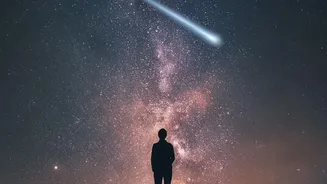
the peak coincides with a new moon. This means the sky will be exceptionally dark, allowing even faint meteors to become visible. For viewers in India, the most rewarding window is expected to be between 2:00 AM and 4:30 AM IST on August 13, when the shower's radiant point in the constellation Perseus is high in the sky. Under ideal conditions, you might see anywhere from 50 to 100 meteors per hour.
Choose the Right Location
The biggest challenge for stargazing in India during August is the monsoon, which can bring heavy cloud cover to many regions. To maximize your chances of clear skies, you need to head to high-altitude cold deserts or rain-shadow regions. The top destinations are Ladakh and Spiti Valley in Himachal Pradesh. These areas are situated at high elevations with dry climates, offering some of the clearest and darkest skies in Asia. Locations like Hanle (India's first Dark Sky Reserve), Pangong Tso, and the Nubra Valley in Ladakh are premier spots. Similarly, villages in Spiti Valley such as Kaza, Kibber, and Langza are renowned for their pristine night skies. If a Himalayan trip isn't feasible, the Thar Desert in Rajasthan is another viable option.
Escape the City Lights
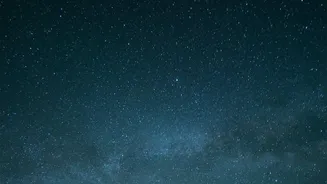
Once you've chosen a general region, the next step is to find a specific spot away from artificial light. Light pollution from cities and towns can wash out all but the brightest meteors, drastically reducing what you can see. Aim to be at least a few kilometres away from any town or major road. Look for a location with a wide, unobstructed view of the sky, free from tall trees or buildings. Open fields, hilltops, or the shores of a lake like Pangong Tso can be perfect. The goal is to find a place dark enough for the Milky Way to be visible to the naked eye; if you can see it, you're in a great spot for a meteor shower.
Pack for Comfort and Success
Even in August, high-altitude nights are cold, with temperatures often dropping significantly after sunset. Pack warm clothing in layers, including jackets, gloves, and caps. A comfortable viewing experience is key, so bring a blanket, mat, or a reclining chair to lie back on. You don't need a telescope or binoculars, as meteors are best seen with the naked eye, which offers a wider field of view. One essential piece of gear is a torch with a red-light mode. Red light helps you see in the dark without ruining your night vision, which can take 20 to 30 minutes to fully adjust. And don't forget snacks and a warm drink to make the wait more enjoyable.
The Art of Patient Observation
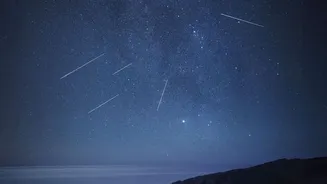
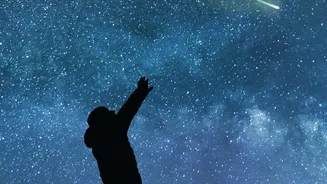
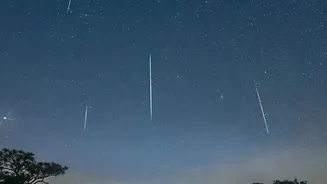
Watching a meteor shower is a test of patience. Find your comfortable spot, lie back, and give your eyes at least 20-30 minutes to adapt to the darkness—avoid looking at your phone screen during this time. You don't need to look at any specific point; in fact, it's better to gaze at a large patch of the sky. While the meteors radiate from the constellation Perseus in the northeast, they can appear anywhere. Meteors often come in spurts, with lulls in between, so don't be discouraged if you don't see anything for a few minutes. For those interested in photography, a DSLR or mirrorless camera on a tripod with a wide-angle lens is ideal for capturing long-exposure shots of the starry sky and streaking meteors.