

The Science of Plant-Powered Recovery
Every time you push your limits in the gym, you create tiny micro-tears in your muscle fibers. Repairing this damage is how muscles grow stronger, a process called muscle protein synthesis. This repair job requires protein, which is made up of building
blocks called amino acids. Your body needs all nine essential amino acids—which it cannot produce on its own—to effectively rebuild muscle. While animal proteins are 'complete,' containing all nine, many plant foods are 'incomplete,' meaning they are low in one or more. However, by strategically combining different plant-based sources, you can easily create a complete amino acid profile that gives your body everything it needs for optimal recovery.
The All-Star: Soy (Tofu & Edamame)
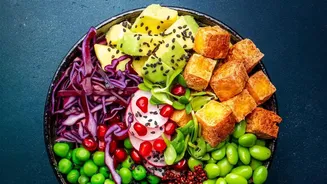
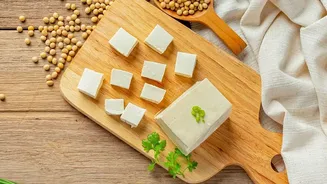
Soy is a superstar in the plant protein world because it's one of the few that is naturally a complete protein. This makes both tofu and edamame fantastic choices for a post-workout meal. Tofu, made from condensed soy milk, is incredibly versatile and absorbs the flavors of whatever it’s cooked with. A 100-gram serving of firm tofu packs around 8 to 10 grams of protein. Edamame, which are young, whole soybeans, offer a similar protein punch with added fiber. Studies have shown that soy protein can be as effective as animal-based proteins like whey for muscle building, partly because it's rich in leucine, a key amino acid that triggers the muscle repair process.
The Workhorse: Lentils
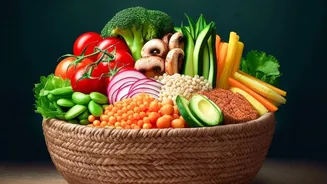
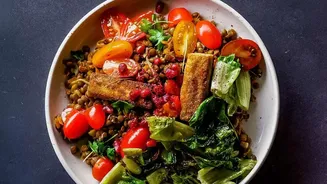
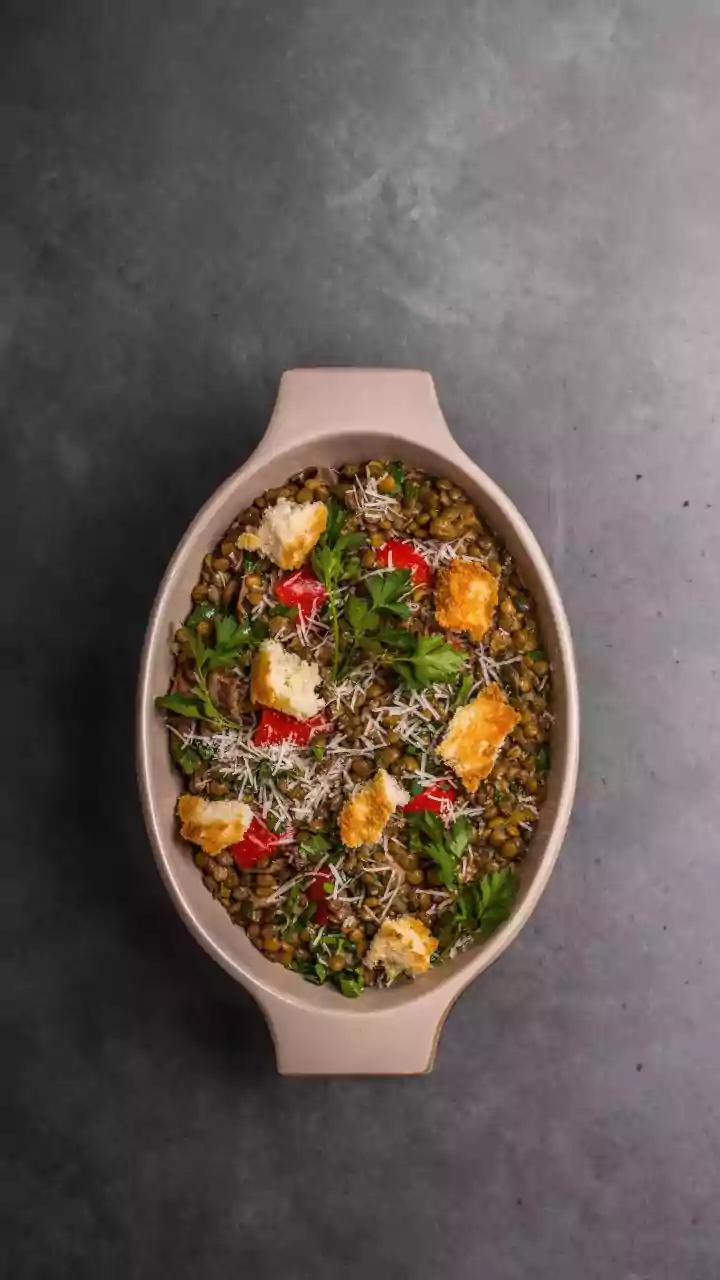
Lentils are an unsung hero of the plant-based pantry. They are not only a great source of protein, offering about 9 grams per cooked half-cup, but they are also loaded with complex carbohydrates and fiber. This combination is ideal for post-workout recovery. The carbohydrates help replenish your muscle glycogen—the fuel you burned during exercise—while the protein goes to work on repair. Lentils are low in the essential amino acid methionine but high in lysine. This makes them a perfect partner for other plant foods, like grains or seeds, which can fill that nutritional gap.
The Finisher: A Mix of Seeds
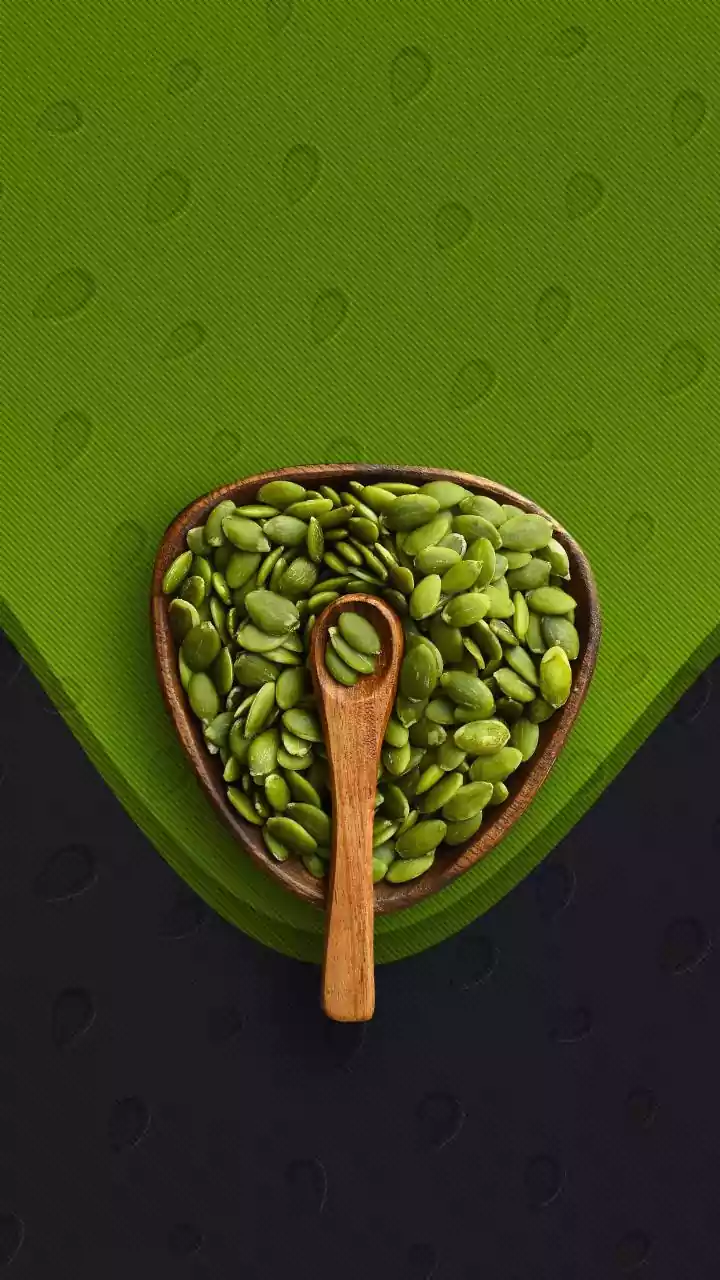
Don't underestimate the power of seeds. Hemp and chia seeds are both considered complete proteins, providing all nine essential amino acids on their own. Sprinkling a few tablespoons of these onto your meal can significantly boost its recovery power. Other seeds, like pumpkin or sunflower seeds, are also rich in protein and offer additional benefits like healthy fats and minerals such as magnesium and zinc, which play roles in energy production and immune function. Healthy fats, particularly omega-3s found in flax and chia seeds, can also help reduce post-exercise inflammation.
Putting It All Together: Meal Ideas
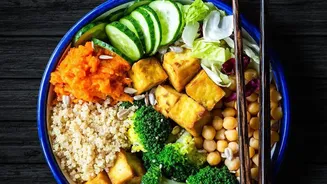
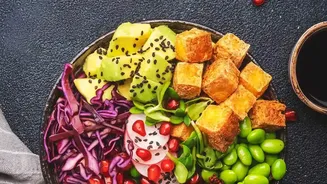
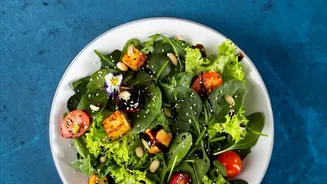
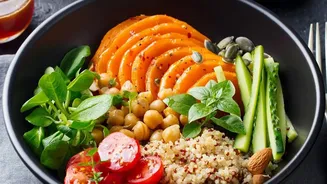
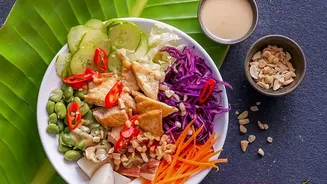
The magic happens when you combine these ingredients into one meal, ensuring a full spectrum of amino acids and nutrients. The goal is to pair foods to cover each other's nutritional shortfalls. For example, lentils are low in methionine, an amino acid that tofu and seeds contain in higher amounts. Here are some simple and effective meal ideas: 1. The Ultimate Recovery Bowl: Start with a base of cooked lentils. Top with cubed, pan-seared or baked tofu, a generous scoop of shelled edamame, and a sprinkle of mixed seeds like hemp and pumpkin. Drizzle with a tahini-based dressing for extra flavor and healthy fats. This bowl combines multiple protein sources for a complete amino acid profile. 2. Hearty Lentil and Tofu Stir-fry: Sauté firm tofu with your favorite vegetables like bell peppers and broccoli. In the last few minutes of cooking, stir in a cup of cooked brown lentils and a handful of edamame. Serve over quinoa or brown rice. The combination of lentils and grains also helps create a complete protein. 3. Protein-Packed Salad: Create a large salad with a spinach or mixed greens base. Add a half-cup of cooked, cooled lentils, shelled edamame, and crumbled firm tofu. For a crunchy topping and an extra protein boost, add a tablespoon of sunflower or chia seeds.