




Why Monsoon Demands Extra Vigilance
The rainy season dramatically alters our environment, and our kitchens are no exception. The combination of warm temperatures and high moisture in the air creates an ideal setting for harmful microorganisms like bacteria and fungi to thrive. Food that
might have been safe on the counter for a couple of hours in drier weather can spoil much faster during the monsoon. This increased risk is not just for raw ingredients but significantly impacts cooked leftovers. Common bacteria responsible for food poisoning, such as Salmonella and E. coli, multiply rapidly in these humid conditions, increasing the chances of gastrointestinal infections, diarrhoea, and other foodborne illnesses which see a spike during this season.
The Golden Rules of Cooling and Storing
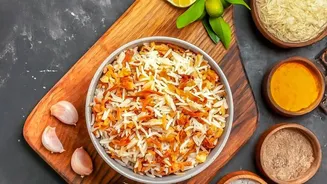
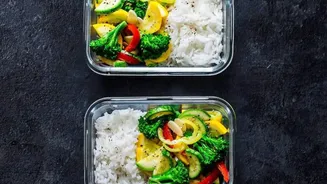
One of the most critical changes to make during the monsoon is to reduce the time cooked food sits at room temperature. Bacteria grow fastest in the 'danger zone' between 4°C and 60°C. While the general rule is to refrigerate food within two hours, it's wiser to shorten this window during the monsoon. As soon as a dish has stopped steaming, it should be cooled and refrigerated promptly. To speed up cooling, transfer large quantities of food like dals, curries, or rice into smaller, shallow containers. Spreading the food out increases the surface area, allowing it to cool down much faster. Never place a large, hot pot directly into the fridge, as it can raise the internal temperature of the appliance, putting other stored foods at risk.
Rethinking Your Refrigerator Strategy
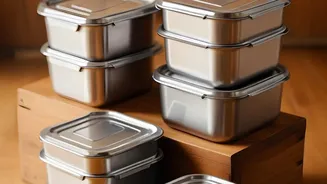
Your refrigerator works harder during the monsoon. To ensure it functions effectively, avoid overcrowding it. Proper air circulation is essential to maintain a consistently cool temperature. The most important new habit to adopt is using airtight containers. These are non-negotiable during the rains. They prevent food from absorbing excess moisture from the humid air, which can accelerate spoilage. They also stop cross-contamination between raw and cooked items, a major source of foodborne illness. Keep raw meat and vegetables separate from cooked meals, ideally on different shelves. It's also a good practice to clean your fridge more frequently during this season to prevent mould and bacteria from building up inside.
The Art of Safe Reheating
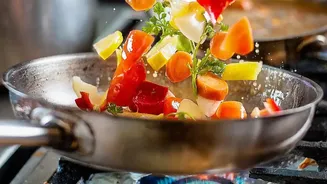
Simply warming up leftovers isn't enough to guarantee safety, especially during the monsoon. Food must be reheated thoroughly to a temperature that kills any bacteria that may have developed during storage. The goal is to bring the food to a steaming hot temperature throughout, generally considered to be 74°C (165°F) or higher. When reheating curries, soups, or dals on the stovetop, bring them to a rolling boil for at least a minute. If using a microwave, stir the food midway through to ensure there are no cold spots where bacteria can survive. Pay special attention to dense foods like rice and meat dishes, ensuring they are heated completely. Never reheat food multiple times; it's best to only take out the portion you plan to eat and reheat that.
Red Flags: When to Throw Food Away
Your senses are a good first line of defence, but they aren't foolproof. Obvious signs of spoilage include mould growth, a slimy texture, or an off-smell. During the monsoon, be particularly wary of any food that looks or smells even slightly different from when you first cooked it. However, many dangerous bacteria do not produce any noticeable smell or change in appearance. This is why following strict time and temperature rules is crucial. As a rule of thumb, most leftovers should be consumed within 2-3 days of being refrigerated. When in doubt, it is always safest to throw it out. The risk of contracting a serious foodborne illness is not worth it. Avoiding street food, especially items served cold or with un-treated water, is also highly advisable during this sensitive season.