






A Tradition Steeped in Wellness
For generations, the arrival of monsoon has been synonymous with the increased prevalence of ailments like the common cold, cough, and digestive issues. The humidity and temperature fluctuations can weaken the body's defences. This is where ancient wisdom,
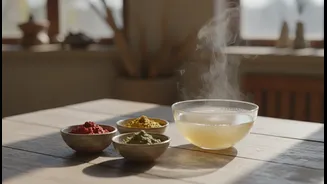
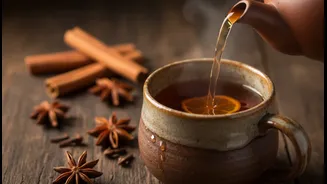
particularly from Ayurveda, plays a significant role in daily life. The practice of drinking herbal decoctions, known as 'kadha', is a cornerstone of the Ayurvedic seasonal regimen for the rainy season, or 'Varsha Ritucharya'. This tradition is built on the principle of strengthening the body’s digestive fire (Agni) and boosting immunity to adapt to the seasonal changes.
Nature's Pharmacy in a Cup
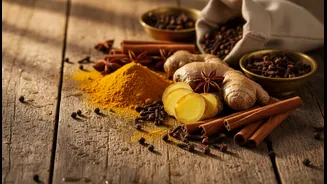
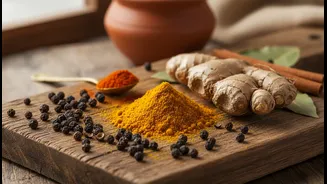
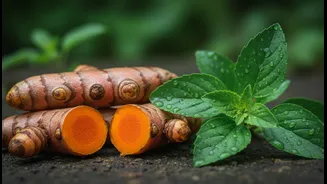
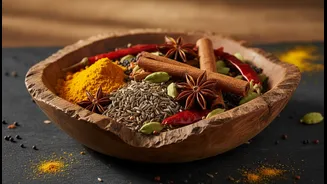
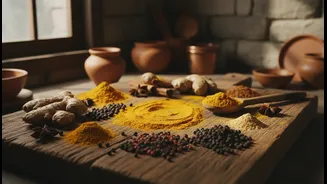
The power of these homemade teas lies in their ingredients, a potent blend of common kitchen spices and herbs. Ginger is a monsoon staple, celebrated for its anti-inflammatory properties that soothe sore throats. Tulsi (Holy Basil), a revered herb in Indian homes, is packed with antioxidants and has been shown to have antiviral and immunomodulatory properties. Turmeric, with its active compound curcumin, offers anti-inflammatory benefits, while black pepper is known to enhance the absorption of other beneficial compounds. Other spices like cinnamon, cloves, and cardamom not only add warmth and aroma but are also believed to have antimicrobial properties that help fight infections.
More Than Just an Immunity Booster
While boosting immunity is a primary reason for their popularity, the appeal of these teas is multi-faceted. The monsoon can make digestion feel sluggish, and ingredients like ginger, fennel, and carom seeds (ajwain) are known to aid digestion and reduce bloating. There's also a profound psychological comfort in sipping a hot, aromatic brew while watching the rain fall. The simple act of preparing and drinking the tea becomes a soothing ritual that provides a sense of warmth, cosiness, and well-being, helping to combat the gloominess that can sometimes accompany overcast days.
A Ritual Passed Through Generations
The recipes for these herbal concoctions are often family heirlooms, passed down from grandmothers to mothers and then to their children. This generational transfer of knowledge ensures the tradition remains alive and deeply personal. Each family might have its own unique variation of a classic kadha, adding a pinch of this or a sprig of that, based on remedies that have worked for them over the years. This act of care, of a family member preparing a warm kadha for someone feeling under the weather, imbues the drink with an emotional significance that no store-bought remedy can replicate.
Modern Science Meets Ancient Wisdom
In recent years, the traditional beliefs surrounding these ingredients have found support in modern scientific research. Many of the spices used in kadhas, such as turmeric, ginger, and tulsi, are now globally recognized for their antioxidant, anti-inflammatory, and antimicrobial properties. This validation has reinforced faith in these age-old remedies, encouraging even younger generations to embrace them. While the core recipes remain traditional, some people are now experimenting with additions like lemongrass or amla (Indian gooseberry) to enhance flavour and benefits, ensuring the practice evolves while staying true to its roots.