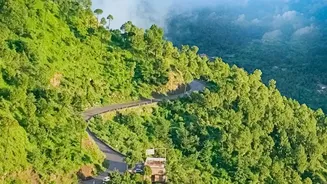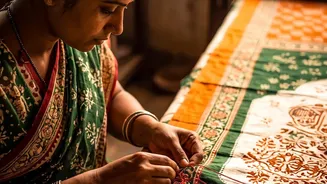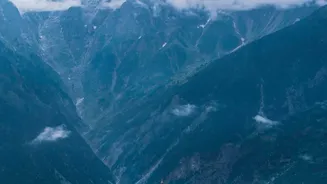


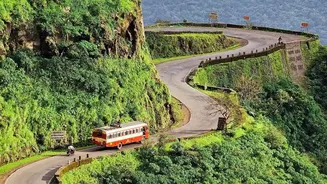
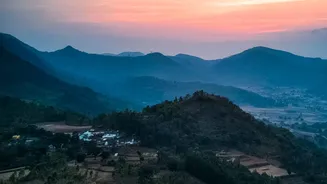
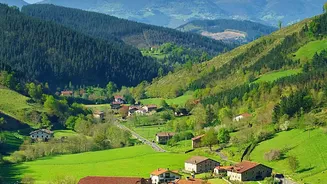
Deep in the forested heart of Chhattisgarh, a rhythmic soundscape fills the air. It is the sound of heritage being hammered into shape and moulded by hand, as traditional workshops for bell-metal and terracotta breathe life back into ancient arts.
An Inheritance of Earth and Fire
In the
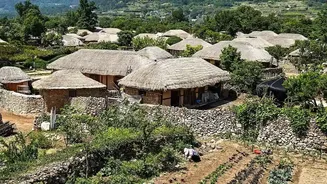
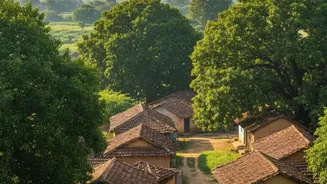
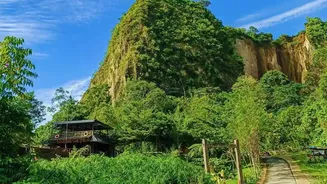
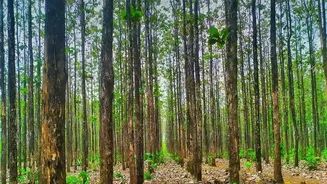
villages of Chhattisgarh's Bastar region, particularly around Kondagaon, known as the 'Shilp Nagri' or Craft City, a quiet revolution is underway. Here, nestled among Sal trees and rolling hills, communities are reviving artistic traditions that are thousands of years old. These workshops are more than just workplaces; they are crucibles of culture where the skills of Dhokra (bell-metal) and terracotta are passed down through generations. They represent a concerted effort to preserve an identity deeply connected to the land, its myths, and its natural resources, providing a vital link between the past and a sustainable future for the artisan communities. These initiatives, supported by various government and non-government organisations, aim to turn ancestral skills into viable livelihoods.
Dhokra: The Lost-Wax Legacy
The star of Bastar's metal craft is Dhokra, an art form with a lineage stretching back over 4,000 years to the Indus Valley Civilization and the famous 'Dancing Girl' statuette. This non-ferrous metal casting technique, which has a Geographical Indication (GI) tag for the Bastar region, uses the 'cire perdue' or lost-wax method. Artisans, primarily from communities like the Ghadwa, first create a core clay model. This is then covered in intricate threads of beeswax, which form the final design. A new layer of clay is applied, and the mould is baked. The heat melts the wax, which drains out, leaving a cavity that is then filled with molten brass or bronze. The outer clay layer is broken away to reveal a one-of-a-kind metal sculpture, with no two pieces ever being identical. The motifs are drawn from the vibrant tapestry of tribal life: local deities, birds, animals, and figures that tell stories of folklore and nature.
Terracotta: Expressions of the Earth
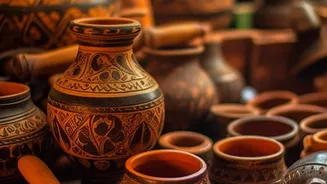
Working in parallel are the terracotta artisans, especially in villages like Kumhar Para. Terracotta, meaning 'baked earth', is a craft as old as civilization itself. In Bastar, it is deeply woven into ritual and daily life. The potters of the region use the fine, strong clay from local riverbeds to create everything from large, ornate votive figures of elephants and horses for temples to everyday pots and pans. These items are not merely functional; they are expressions of reverence for nature and the divine. Votive figures are often placed at the edge of villages to ward off evil spirits, while intricately designed 'Mata Diya' lamps are kept burning in honour of the Mother Goddess. The workshops help these artisans move beyond local markets, adapting their skills to create contemporary items like lampshades and decorative tiles while retaining the craft's distinctive rustic charm.
Forging a Sustainable Future
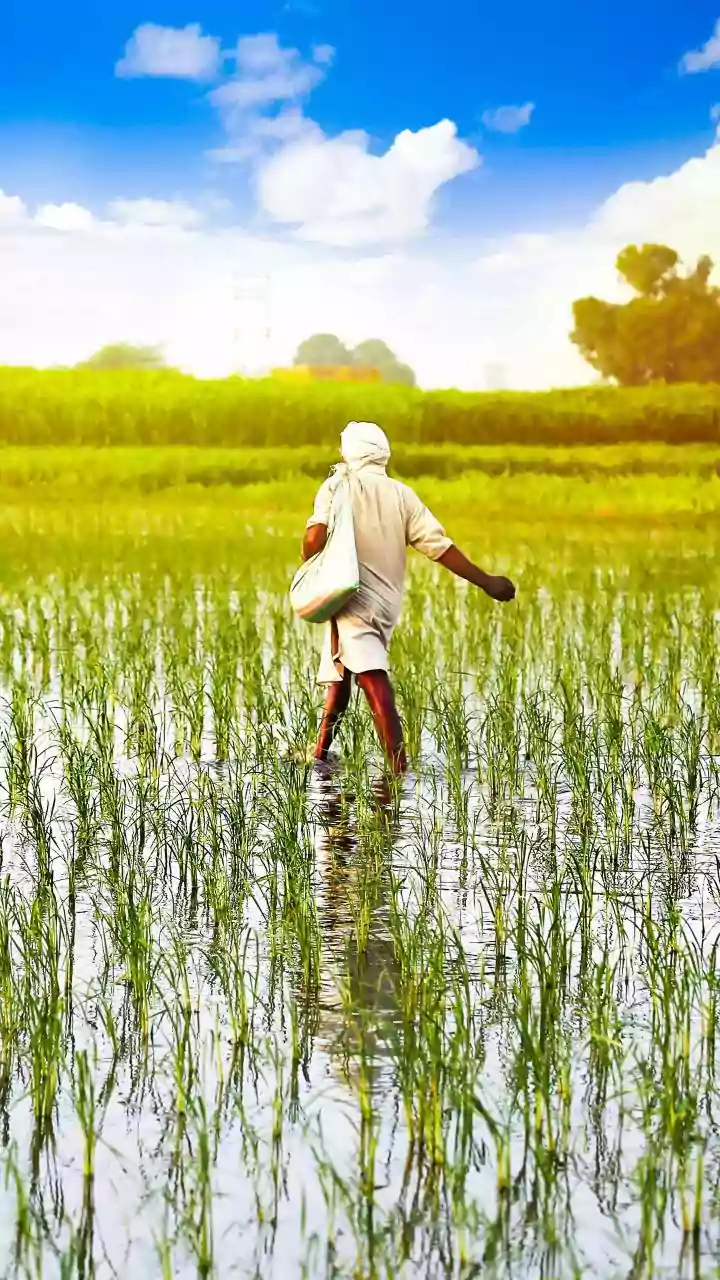
These workshops are a critical economic lifeline in a region where many communities depend on forest produce and agriculture. By providing a platform for artisans to create, market, and sell their wares, they offer a sustainable income that reduces dependency on seasonal employment and migration. Organisations like SAATHI and government schemes such as the PM Vishwakarma Scheme are working to empower these craftspeople through skill development, design intervention, and creating market linkages, including online platforms. This support helps artisans overcome challenges like exploitation by intermediaries and lack of access to credit. The focus is not just on preserving a craft but on ensuring the artisan receives the deserved value, allowing them to earn a dignified livelihood while continuing their family's legacy.