




The launch of a new Grand Theft Auto is more than a gaming event; it's a cultural and economic phenomenon. As millions of players dive into GTA VI, an entirely different industry is reaping the rewards: fast food and snacks.
A Cultural Moment You Can Eat
The release of a title like
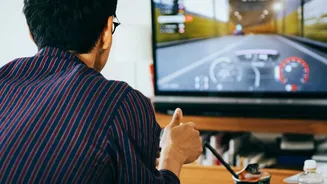
Grand Theft Auto VI, which has been anticipated for over a decade, is one of the biggest events in entertainment history, rivaling blockbuster movie premieres and global sporting events. With sales projections in the billions and over 15 million pre-orders logged before it even went live, the game commands the undivided attention of a massive global audience. This intense engagement creates a unique consumer behavior pattern. When millions of people decide to spend hours, or even days, immersed in a virtual world, their real-world habits shift dramatically. Cooking is replaced by convenience, and leaving the house becomes an unwelcome interruption. This creates a predictable and massive surge in demand for anything that can be delivered to their door or eaten with one hand on the controller.
The 'Game-Fuel' Effect in Numbers
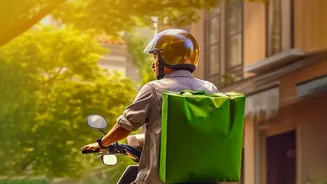
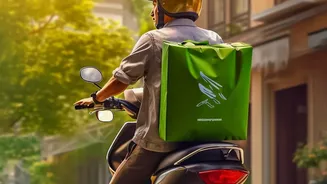
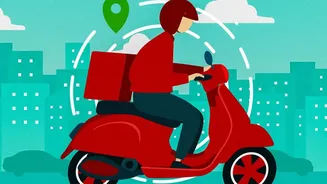
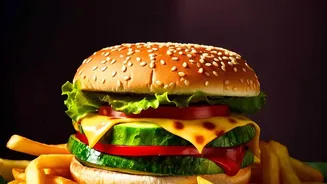
The connection between marathon gaming and food orders is not just anecdotal; it's a data-backed trend. Market intelligence firm Sensor Tower forecasted that the launch of GTA VI would drive 50 million extra visits to food delivery apps in the U.S. within the first month. On launch night, the results were immediate. Uber Eats reported that late-night orders in Miami—the real-life inspiration for the game's Vice City—jumped by over 30%. DoorDash saw a similar pattern nationwide, with late-night orders for items like chips, burgers, and pizza climbing by more than 10%, and energy drink orders spiking by over 20%. This 'game-fuel' effect is so reliable that delivery platforms now plan for it, promoting specific one-handed food items like McNuggets and boneless wings to cater directly to players who don't want to pause the action.
How Food Brands Are Targeting Gamers
Fast-food and snack companies are no longer passive beneficiaries of this trend; they are active participants. Understanding that gamers are a captive and lucrative audience, brands are increasingly integrating their marketing directly into the gaming ecosystem. Popeyes, for example, launched a limited-time 'Spice City Sandwich' to coincide with the GTA VI release, explicitly telling players to grab it 'between missions'. Meanwhile, McDonald's integrated a food ordering function directly into Discord, a popular chat platform for gamers, allowing them to place a McDelivery order via Uber Eats without leaving their gaming community. These strategies show a sophisticated understanding of gamer culture, meeting the audience where they are with timely and relevant offers that feel authentic rather than intrusive.
More Than a Game, It's an Economy
The economic ripple effect of a game like GTA VI extends far beyond its own record-breaking sales. While Take-Two Interactive, the game's publisher, sees billions in revenue, a secondary economy flourishes around it. This includes not only the predictable boom for food delivery giants like DoorDash and Uber Eats but also for convenience stores where players stock up on snacks and drinks. Studies show that around 80% of gamers regularly eat or drink while playing, preferring salty snacks, sweets, and sodas. The launch also impacts the creator economy, with streamers on platforms like Twitch seeing advertising demand and revenue triple, and even affects workplace productivity, with millions of employees reportedly taking time off to play. It’s a powerful illustration of how a single piece of entertainment can reshape consumer spending and behavior on a national scale.