




The Great Monsoon Escape
Spiti Valley's magic lies in its unique geography. Tucked away in the northeastern part of Himachal Pradesh, it sits in a rain-shadow region. The towering Himalayan ranges to the south act as a formidable barrier, blocking the moisture-laden monsoon clouds
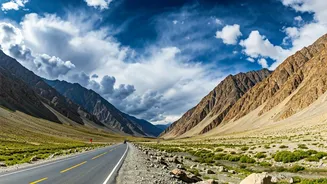
that sweep across the rest of the country. While other hill stations contend with heavy downpours and landslides, Spiti remains remarkably dry, with an average annual rainfall of just 170 mm. This phenomenon makes the months of June, July, and August an ideal time to visit, offering clear blue skies, pleasant daytime temperatures, and uninterrupted views of its otherworldly terrain. July, in particular, is considered a peak month for travel, as the weather is bright and warm within the valley itself.
A Land of Stark Beauty and Ancient Whispers
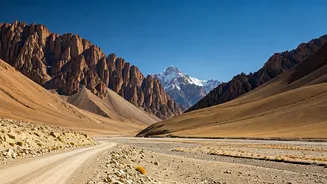
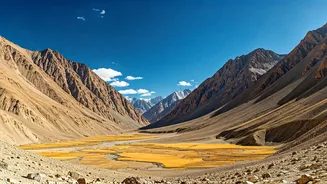
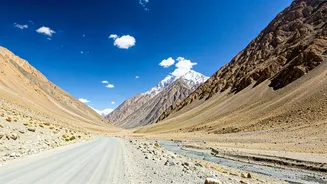
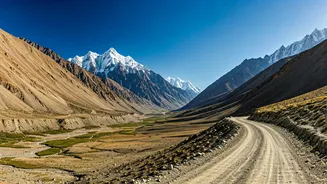
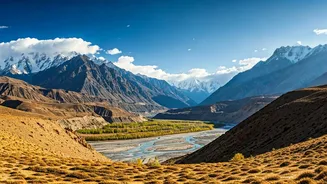
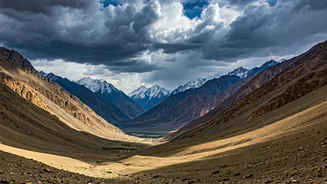
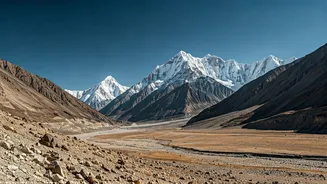
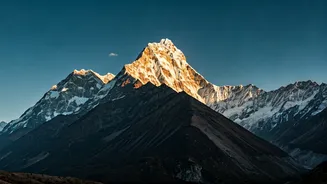
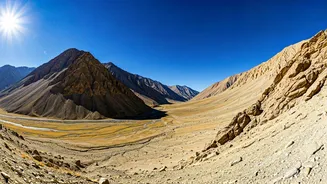
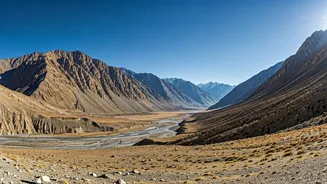
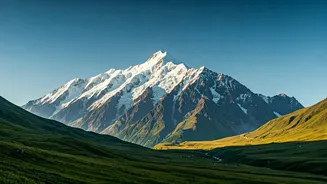
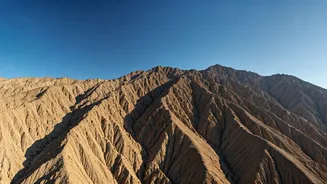
Often called 'Little Tibet', Spiti's landscape is a dramatic tapestry of barren mountains, deep gorges, and winding rivers. The scenery is raw and powerful, a world away from lush green hill stations. But the absence of dense forests allows the geology to tell its story, with mountains painted in shades of brown, purple, and orange. This is also a land of immense spiritual significance, home to some of the oldest Buddhist monasteries in the world. Places like Key Monastery, perched precariously on a hilltop, and Tabo Monastery, a UNESCO heritage site candidate, offer a profound sense of peace and a glimpse into a resilient culture that has thrived here for over a thousand years. The air is filled with the flutter of prayer flags and the serene chants of monks, creating a deeply meditative atmosphere.
An Adventurer's Itinerary
The journey to Spiti is an adventure in itself, but the destinations within the valley are what truly captivate. Kaza, the region's administrative centre, serves as the perfect base camp for explorations. From here, you can venture out to some of the world's highest inhabited villages. A popular circuit includes Komic, one of the highest villages in the world connected by a motorable road; Hikkim, home to the world’s highest post office where you can send a postcard from over 14,500 feet; and Langza, the 'fossil village,' where you can find ancient marine fossils, a reminder that these mighty mountains were once under the Tethys Sea. A visit to the stunning Chandratal Lake, the 'Lake of the Moon', is a must for its crystal-clear blue waters surrounded by majestic peaks.
Planning Your High-Altitude Journey
Reaching Spiti requires careful planning. There are two main routes: one from Manali via the Atal Tunnel and Kunzum Pass, and the other from Shimla via Kinnaur. The Shimla route is longer but allows for more gradual acclimatization to the high altitude, which is crucial to avoid mountain sickness. The Manali route, while shorter and more dramatic, is often considered riskier during monsoon due to slush and swollen water crossings on the approach roads. While Spiti itself is dry, the approach roads can be affected by monsoon rains. Recent weather alerts for Himachal Pradesh on July 1-3, 2026, have warned of heavy rain in districts like Mandi and Kullu, which can cause road closures. It's essential to check road conditions before you travel, travel during daylight, and keep buffer days in your itinerary.
Travel with Respect
The beauty of Spiti is matched by its fragility. The high-altitude desert ecosystem is delicate, and the recent increase in tourism has put a strain on its resources. Responsible travel is not just a suggestion here; it's a necessity. Opt for local homestays to directly support the community and gain an authentic cultural experience. Be mindful of your waste, especially plastic, as disposal systems are limited. Carry a reusable water bottle and avoid single-use plastics wherever possible. Respect local customs and traditions, especially when visiting monasteries and interacting with villagers. By travelling consciously, you help preserve the pristine nature and unique culture that make Spiti so special.