





Why A Maintenance Calendar Is Crucial
For landlords in India, managing a rental property involves more than just collecting rent; it requires protecting the asset's long-term value. A structured maintenance calendar is your most powerful tool in this effort. Instead of reacting to emergencies,
a calendar allows you to schedule preventative checks, moving you from a reactive to a proactive stance. This approach not only saves significant money by catching issues like leaks or electrical faults early but also extends the life of critical systems like plumbing and HVAC. Furthermore, a well-maintained property leads to higher tenant satisfaction and retention. Regular, documented upkeep demonstrates professionalism and care, creating a clear record of the property's condition and reducing disputes.
Structuring Your Seasonal Calendar
India's diverse climate, especially the dramatic shift during monsoon, dictates a seasonal approach to maintenance. Your calendar should be built around these key periods. Pre-Summer (March-May): Focus on preparing for the heat. This is the time to service AC units before they come under heavy load. It's also a good time for a general plumbing inspection, checking outdoor taps and ensuring water storage tanks are clean and free of cracks. Monsoon (June-September): This season is all about water-proofing. Before the rains hit, inspect and clean roofs and gutters to prevent blockages and overflows. Check all exterior walls and window seals for cracks where water could penetrate. This is the most critical time for leak prevention. Post-Monsoon/Pre-Winter (October-January): With the rains gone, inspect for any damage they may have caused. This includes checking for damp patches on ceilings and walls. In northern India, prepare for the cold by ensuring water heaters are serviced and insulating any exposed pipes to prevent freezing. This seasonal rhythm ensures that you are always one step ahead of the weather, addressing the most likely problems before they arise.
Spotlight on Leaks: Common Culprits
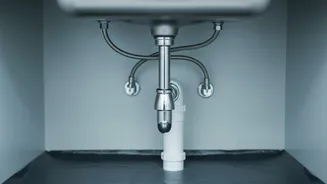
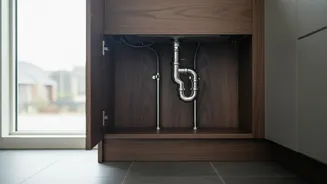
Leaks are one of the most common and destructive issues in Indian homes, often stemming from ageing pipes, poor construction, or weather-related damage. Your maintenance calendar must include specific checks for these problem areas. Key spots to inspect regularly include under kitchen and bathroom sinks, around toilet bases, and near appliances like water heaters and washing machines. Look for visual cues like damp spots, peeling paint, mould growth, or a musty smell. Faulty internal plumbing, often hidden within walls, is a major source of seepage, as are worn-out seals in taps and corroded pipes in older buildings. Don't forget overhead water tanks and roof surfaces, where poor drainage can cause water to pool and seep downwards, especially during heavy monsoons.
Integrating Leak Checks Into Your Schedule
To make leak prevention effective, it needs to be a scheduled, non-negotiable part of your calendar. Here’s a simple framework: Monthly Visual Checks: Once a month, conduct a quick visual inspection under all sinks and around toilets for any signs of moisture or drips. Check for unexplained spikes in the water bill, which can indicate a hidden leak. Quarterly System Checks: Every three months, perform a more thorough inspection. Test the flush mechanisms on all toilets—a constantly running toilet is a common leak source. Check the caulking around bathtubs and showers. This is also a good time to use enzyme-based cleaners in drains to prevent build-up that can cause pipe strain. Annual Professional Inspections: Before the monsoon, schedule a professional to inspect the roof, gutters, and major plumbing lines. This is crucial for identifying potential structural weaknesses that could lead to major leaks during heavy rain. Consider having main drain lines cleaned every few years to prevent blockages.
From Prevention to Action Plan
A calendar is only as good as the action that follows. Alongside your schedule, maintain an updated list of trusted professionals, including plumbers and waterproofing experts. When a leak is detected during a routine check, you need to be able to act fast to minimise damage. Educating your tenants is another key part of your plan. Provide them with simple guidelines on what not to put down drains (like grease and food scraps) and who to contact immediately if they spot a leak. Prompt reporting can be the difference between a small repair and a major renovation. By documenting all inspections and repairs, you create a valuable history for the property that can help identify recurring issues and prove due diligence.