





From Grandma’s Cure to Modern Ritual
Not long ago, the mention of ‘kadha’ might have elicited a grimace, a memory of a bitter concoction forced upon you during a cold. Today, that same brew is a celebrated morning ritual for many, proudly shared on social media. What changed? The recent
global health crisis was a significant catalyst, pushing us to look inward and backward — to the time-tested remedies passed down through generations. Suddenly, the kitchen transformed from a place of cooking to a wellness apothecary. The wisdom of our grandmothers, once dismissed as old-fashioned, became a source of comfort, immunity, and control in uncertain times. This wasn't just about fighting illness; it was about proactive self-care, a return to roots that felt both authentic and empowering.
The Power Players: Beyond Just Tea
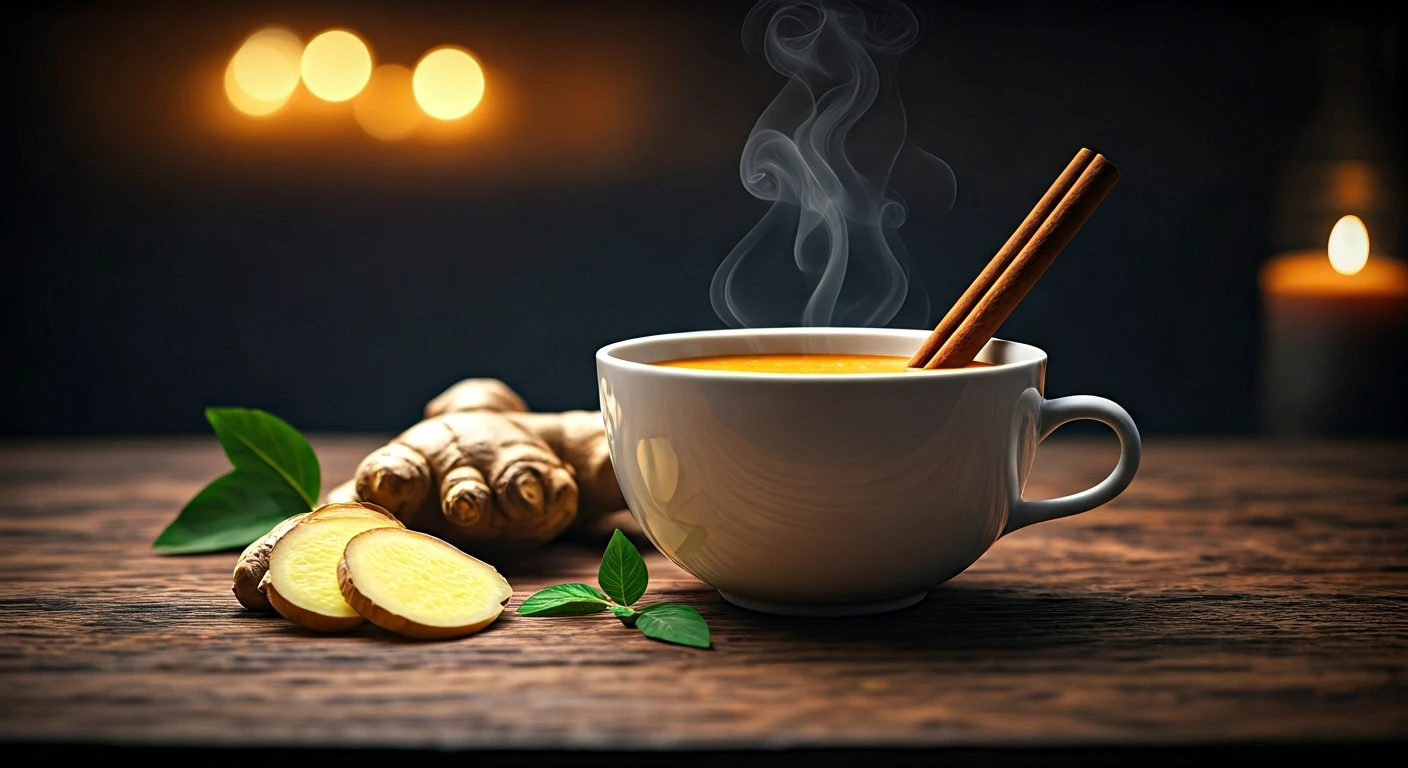
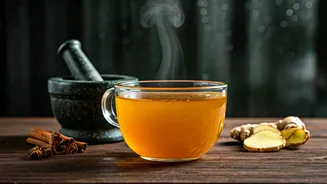
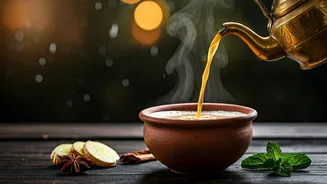
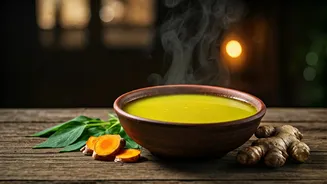
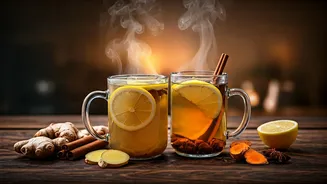
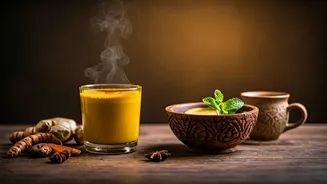
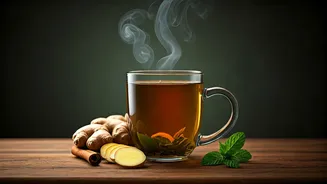
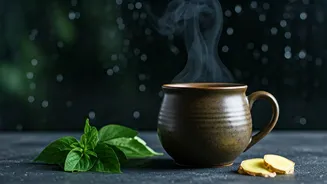
While chai remains the undisputed king of beverages, a new (old) court of wellness drinks is re-establishing its influence. The most prominent among them is, of course, ‘kadha’. This decoction, typically a blend of tulsi, ginger, black pepper, cloves, and cinnamon, is a powerhouse of anti-inflammatory and antiseptic ingredients. Each family has its own secret recipe, a unique combination passed down through memory and taste. Then there’s ‘haldi doodh’, the humble turmeric latte that the West rebranded as ‘golden milk’. Its return to prominence in Indian homes is a reclamation of sorts. This soothing, anti-inflammatory drink, often sweetened with honey or jaggery, is once again the go-to beverage for everything from sleepless nights to sore throats. Other brews are also re-emerging, from cooling vetiver (khus) water in the summer to digestive ajwain (carom seed) water post-feasts. These are not fads but functional, time-honoured solutions.
A Modern Twist on Ancient Wisdom
This revival isn't a simple copy-paste of the past. The modern Indian kitchen is adding its own signature to these ancient recipes. A new generation is experimenting with ingredients and presentation. You might find a kadha infused with a stick of lemongrass for fragrance, or a haldi doodh made with almond or oat milk to cater to vegan lifestyles. People are adding ashwagandha powder for stress relief or moringa for a nutrient boost. The core principles remain, but the execution is evolving. This creative adaptation makes the tradition more accessible and appealing to a younger demographic that values both wellness and personalization. It’s no longer just medicine; it’s a bespoke wellness experience crafted at home.
More Than a Trend, It's a Homecoming
The resurgence of these wellness brews is part of a larger cultural shift. It signifies a move towards conscious consumption and a deeper appreciation for local, seasonal, and traditional knowledge. In a world saturated with carbonated drinks and complicated coffee orders, the simplicity and efficacy of a homemade brew feel revolutionary. It’s about understanding what goes into your body, connecting with the ingredients, and participating in a ritual that has nourished Indians for centuries. This trend is less about what’s new and more about remembering what has always worked. It’s a quiet, comforting rebellion against the mass-produced, and a warm embrace of the wisdom that has always been simmering on the back burner of our kitchens.