



The Power of the Rupee
One of the most significant advantages for Indian travellers in Sri Lanka is the favourable currency exchange rate. The Indian Rupee (INR) is stronger than the Sri Lankan Rupee (LKR), with 1 INR typically fetching around 3.5 LKR. This means your travel budget
automatically stretches further, making dining, transport, and accommodation more affordable compared to many other international destinations. For budget travellers, a daily spend of around $25–$35 (approximately ₹2,100–₹2,900) is realistic, covering stays in hostels, local meals, and public transport. This financial advantage allows for a richer travel experience without constantly worrying about expenses.
Discovering Heritage Hostels
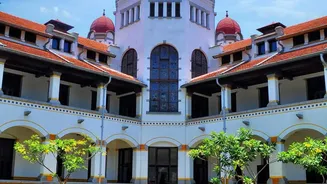
Sri Lanka's hostel scene is not just about cheap dorm beds; it's about character and experience. Many of the most charming and budget-friendly accommodations are located within restored colonial-era buildings, particularly in places like Galle Fort, a UNESCO World Heritage Site. These 'heritage hostels' offer a unique stay that combines historical charm with the social, budget-friendly nature of hostel life. You can find dorm beds for as low as ₹600-₹800 per night and private rooms for a bit more, providing a clean, safe, and atmospheric base for exploration. Cities like Kandy, Ella, and Colombo also boast a wide network of hostels catering to different tastes, from serene lakeside properties to vibrant city-centre hubs.
Booking Smart and Saving More
To maximize your budget, timing is everything. Travelling during the shoulder seasons (May to June and September to November) can lead to significant savings on both flights and accommodation. When booking hostels, compare prices on aggregator sites but also check for direct booking deals. Booking a few days in advance is wise, especially in popular spots like Ella and Mirissa during peak season. Many hostels offer more than just a bed; look for those with communal kitchens, which can drastically cut down food costs. Some also organize free walking tours or offer discounted rates on activities like whale watching, adding even more value to your stay.
Eating and Travelling Like a Local
The quickest way to drain your wallet is by eating at tourist-centric restaurants. Instead, embrace Sri Lanka's incredible local food scene. Eating at family-run eateries and street food stalls can save you up to 60% on your food budget. A delicious and filling meal of rice and curry or kottu roti can often be found for just a few hundred rupees. For transport, rely on the country's extensive and scenic train and bus network. While tuk-tuks are great for short distances, long journeys are far cheaper via public transport. In major cities like Colombo and Kandy, ride-sharing apps like PickMe offer a more standardized and often cheaper alternative to hailing a tuk-tuk on the street.
Navigating Visa and Currency
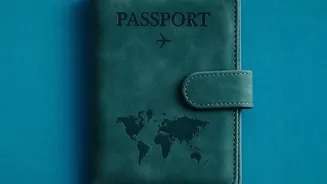
For Indian passport holders, entering Sri Lanka is straightforward. An Electronic Travel Authorization (ETA) is required, which can be applied for online before your trip. While visa policies can change, it's essential to check the official Sri Lankan ETA website for the most current information on fees and requirements before booking. When it comes to currency, avoid exchanging large amounts at the airport, where rates are less favourable. It's better to exchange a small amount upon arrival for immediate needs and then use authorized money changers in cities for better rates. While card payments are accepted in larger hotels and restaurants, Sri Lanka is largely a cash-based economy, so carrying enough LKR for daily expenses is crucial.