
Light Is More Important Than You Think
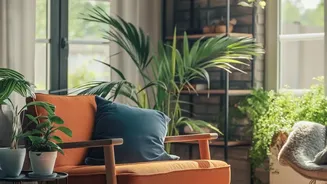
Before you even think about watering, consider the light in your home. Light is a plant's food, and getting it right is the single most important factor for success. Most common houseplant problems can be traced back to incorrect lighting. For most popular
indoor tropical plants, 'bright, indirect light' is the sweet spot. This means a well-lit room where the sun's rays don't hit the leaves directly for hours. An east-facing window with gentle morning sun is often perfect. Low-light plants like the ZZ Plant or Snake Plant can tolerate dimmer corners, but even they prefer brighter spots if possible. If leaves look scorched or faded, it might be too much sun; if the plant is stretching towards a window with small, weak new leaves, it's begging for more light.
The Golden Rule of Watering
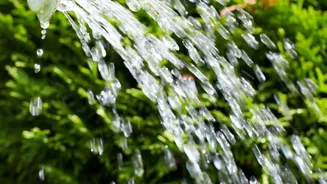
The most common mistake beginners make is overwatering. It's usually a case of killing a plant with kindness. Most houseplants do not want to sit in constantly wet soil, as their roots need oxygen to avoid rot. So, ditch the rigid watering schedule. A plant's needs change with the season, light, and temperature. The best way to know when to water is to check the soil. Stick your finger about two inches deep; if the soil feels dry at that depth, it's time to water. If it feels moist, wait another day or two. When you do water, do it thoroughly. Pour water until it flows freely from the drainage holes at the bottom of the pot. This ensures the entire root system gets a drink. Then, let it drain completely before putting it back in its decorative pot or saucer.
Start with Forgiving Plants
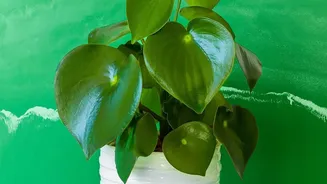
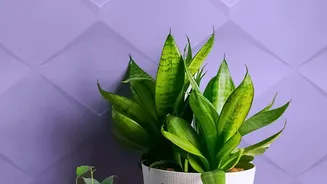
Set yourself up for success by choosing plants that are known to be resilient. Starting with notoriously fussy plants can be discouraging. For beginners in India, several tough and beautiful options thrive in typical home environments. The Snake Plant (Sansevieria) is nearly indestructible, tolerating low light and infrequent watering. The Money Plant (Pothos) is a fast-growing vine that is highly adaptable and tells you when it's thirsty with slightly drooping leaves. Another excellent choice is the ZZ Plant (Zamioculcas zamiifolia), which is drought-tolerant and handles low light with ease. These plants are forgiving of common beginner mistakes and will help you build confidence as a new plant parent.
Choosing the Right Home
The pot you choose does more than just hold the soil; it affects your plant's health. The most critical feature is drainage. Always use a pot with at least one hole in the bottom to allow excess water to escape. This is the best defense against root rot caused by overwatering. When it comes to size, don't give your new plant a home that's too large. A pot that is too big will hold excess soil and moisture, which can lead to rot. A good rule of thumb is to choose a pot that is just one or two inches wider in diameter than the plant's current root ball. Many people prefer to keep the plant in its plastic nursery pot and place that inside a more decorative outer pot (a 'sleeve' or 'cachepot'). This makes checking for water and future repotting much easier.
Soil, Food, and Basic Care
You don't need to be a soil scientist to get started. A general-purpose indoor potting mix is perfect for most common houseplants. These mixes are designed to provide a good balance of drainage and water retention. Think of fertilizer as an occasional meal, not a daily necessity. During the main growing seasons (spring and summer), you can feed your plants with a balanced liquid fertilizer every few weeks. In autumn and winter, when growth naturally slows, you can reduce feeding to once a month or stop altogether. Finally, don't be afraid to prune. Trimming away any yellowing or dead leaves not only makes the plant look better but also helps it direct energy toward healthy new growth.