


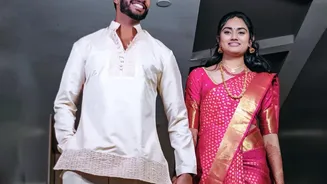
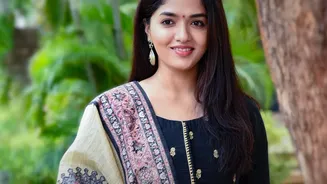
From Occasion to Everyday
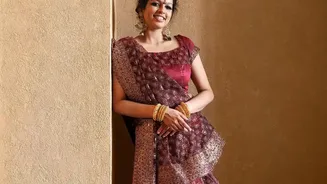
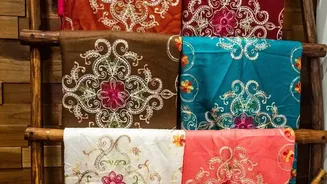
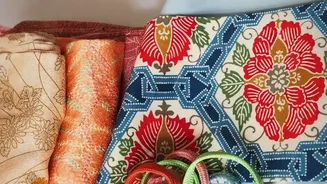
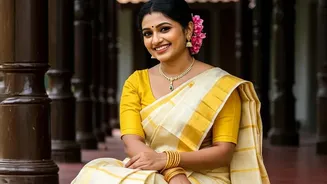
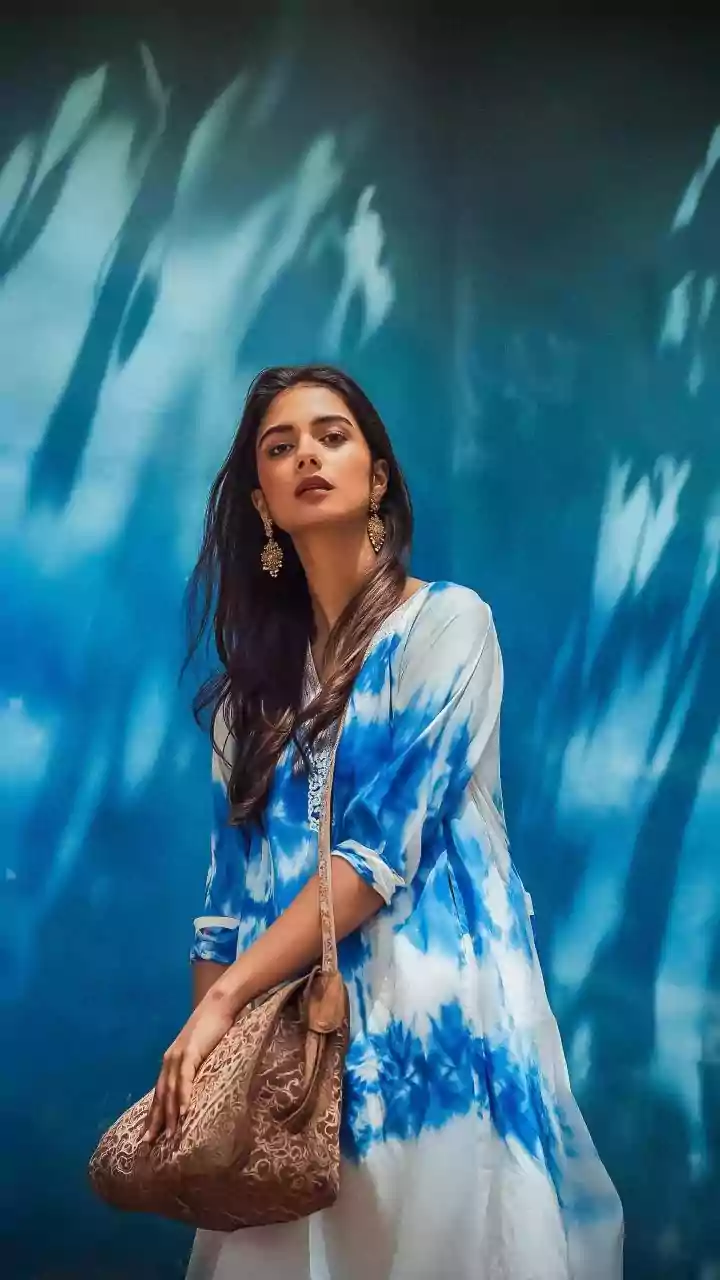
The narrative around handloom is shifting. What was once confined to grandmother's trunk, brought out only for weddings and festivals, is now appearing in co-working spaces and cafes. This isn't about discarding tradition but reinterpreting it. The handloom revival
is being driven by a desire to integrate these meaningful textiles into the fabric of our daily lives, moving beyond the ceremonial sari or shawl. Designers and brands are challenging the notion that handloom is heavy or hard to maintain by creating collections that are both beautiful and practical. This transition from festive to functional marks a significant cultural moment, blending heritage with the rhythms of modern life.
The Designer's Touch
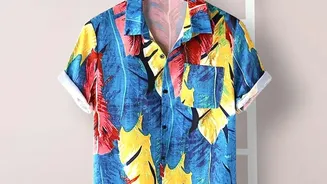
At the heart of this revival are designers and brands who are innovating with silhouettes, finishes, and blends. They are proving that handloom doesn't have to look traditional to honour its roots. By creating contemporary cuts like tailored jackets, playful co-ords, and even handwoven denim, they are making handloom more accessible and desirable for a younger audience. Labels like 11.11 / eleven eleven, Raw Mango, and Ekaya are re-engineering textiles for modern clothing, focusing on aspects like pre-washing fabrics to ensure softness and prevent shrinkage, and creating lighter, more breathable blends perfect for the Indian climate. This focus on wearability is crucial; it’s about making clothes that people genuinely want to wear on a regular Tuesday, not just for a special event.
The Rise of the Conscious Consumer
This trend is powered as much by consumers as it is by creators. A growing awareness around sustainability and ethical production has led many to question the environmental and social costs of fast fashion. Handloom, with its minimal energy consumption and support for artisan communities, offers a compelling alternative. Today's buyers are increasingly looking for authenticity and stories behind their purchases. They want clothes that are not only stylish but also meaningful, representing a connection to craftsmanship and cultural heritage. This shift towards mindful consumption and the 'slow fashion' movement is a key driver, with people choosing to invest in fewer, higher-quality pieces that last.
Overcoming the Hurdles
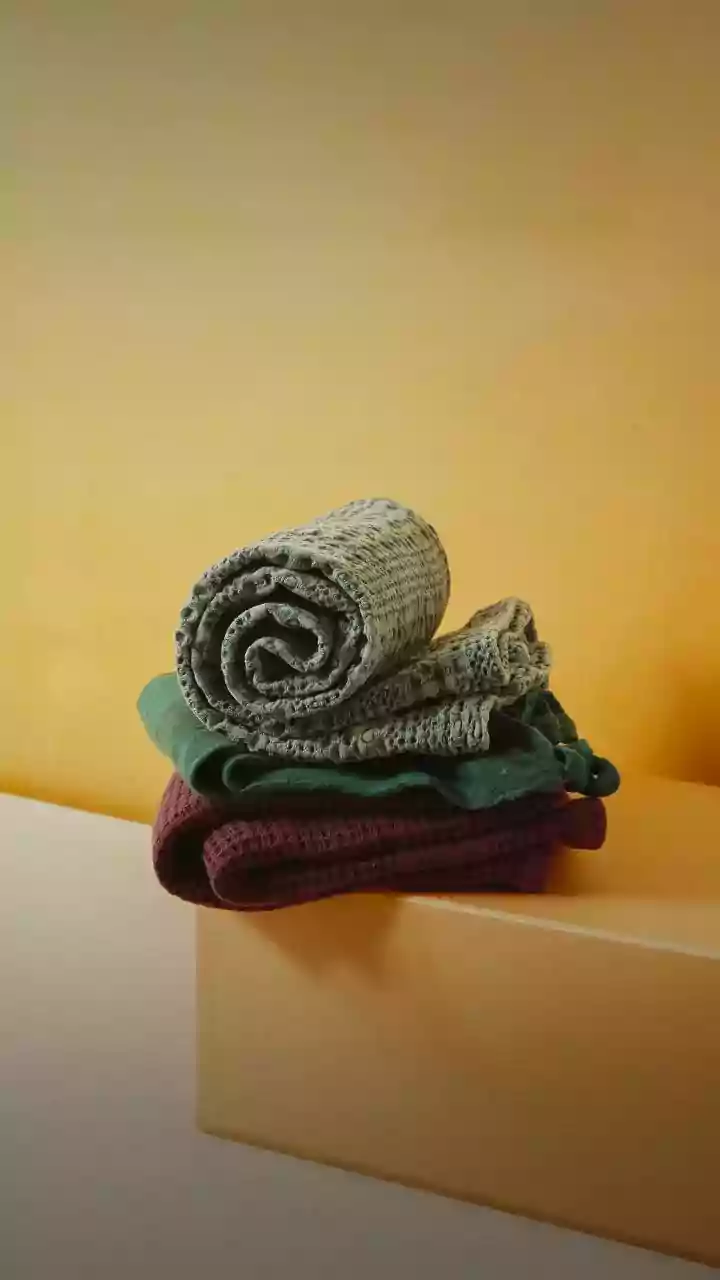
Despite the momentum, challenges remain. Handloom is often more expensive due to the time and skill involved in its creation. Another significant barrier is the perception that it's difficult to care for. Many consumers fear damaging delicate weaves, leading them to rely on costly dry cleaning or simply keeping the garments safely tucked away. A recent study found that a staggering 97% of consumers would wear and buy more handloom if washing were easier. Furthermore, issues of accessibility and authenticity persist, with weaving clusters often located in remote areas and online marketplaces sometimes offering fakes. To counter this, brands are focusing on consumer education about fabric care, developing more robust supply chains, and using technology to connect weavers directly with buyers.
A Weave of the Future
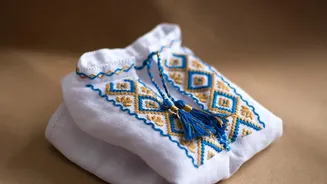
The revival of handloom for everyday wear is more than a fashion trend; it's a movement that strengthens rural livelihoods, preserves generational skills, and champions a more sustainable future for fashion. By embracing handloom, consumers and designers are making a powerful statement that values identity over imitation and quality over quantity. Innovations are also expanding the possibilities, with weavers experimenting with alternative fibres like banana and bamboo, blending tradition with modern material science. This ongoing evolution ensures that India's rich textile heritage doesn't just survive but thrives, weaving itself into the very fabric of contemporary life and style.