

The Dazzling Evening Star: Venus
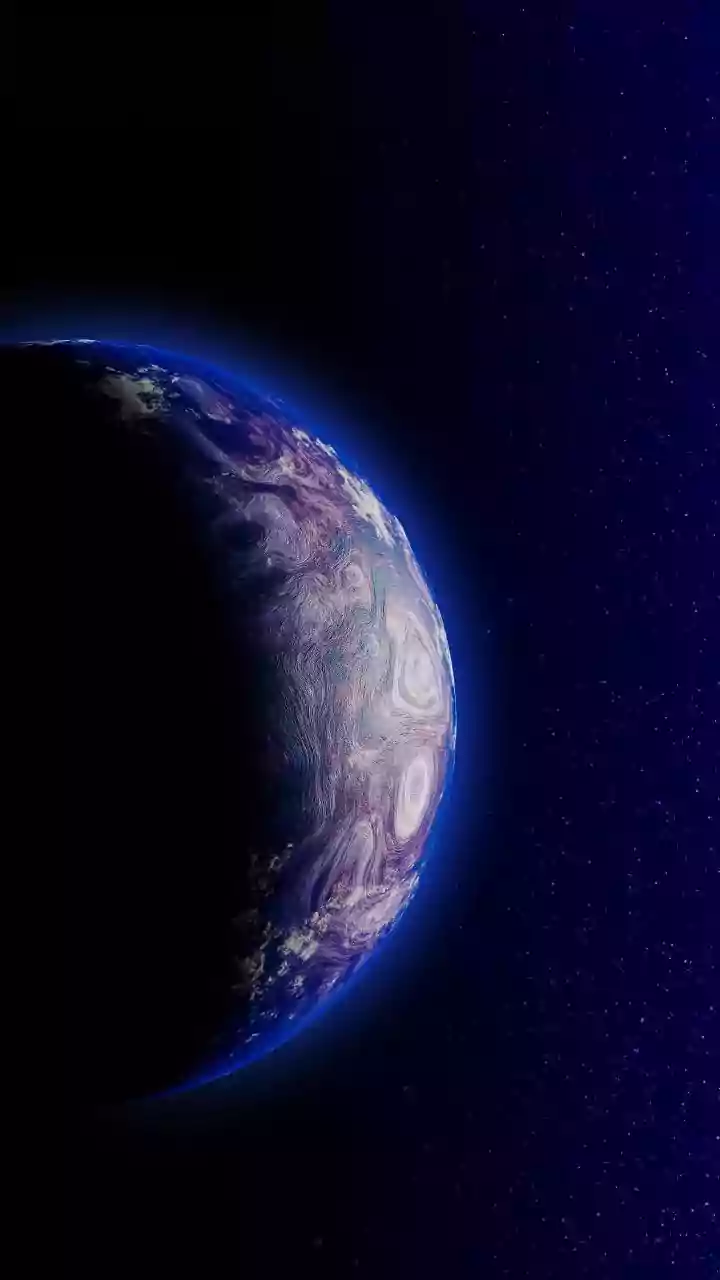
This September, Venus will be the undisputed queen of the evening sky. Look for it shining brilliantly in the west just after sunset. The planet reaches its peak brightness for the entire year on September 18, appearing as a spectacular beacon that can
cut through even city twilight. On September 14, a slender crescent Moon will join Venus, creating a stunning pairing low on the horizon. For those in some parts of Asia, the Moon will even pass directly in front of the planet in an event known as an occultation. To catch Venus, find a spot with an unobstructed western view, as it will be low in the sky from the Northern Hemisphere.
The Full Harvest Moon and Saturn
The most famous lunar event of the month is the Harvest Moon, which will be the full moon on Saturday, September 26. This full moon is the one closest to the autumnal equinox (September 22), an event that historically gave farmers extra evenings of bright moonlight to bring in their crops. For a few nights around the peak, the Moon rises only about 25-30 minutes later each evening, instead of the usual 50, providing extended twilight illumination. This year, the Harvest Moon has a companion. The ringed planet Saturn will appear nearby, following the Moon across the sky throughout the night, making for a beautiful celestial duo. Look for them rising in the east around sunset.
A Dance of Planets in the Pre-Dawn
Early risers are in for a treat as the Moon makes its way past several planets in the pre-dawn sky. On September 6 and 7, look towards the east before sunrise to see a waning crescent Moon positioned near the faint, reddish glow of Mars. Just a day later, on September 8, the Moon will appear close to the giant planet Jupiter. These conjunctions offer a wonderful opportunity to identify these planets without any special equipment, as the Moon acts as a convenient guide. Grab a pair of binoculars to get an even better view of these celestial meetups.
Deep Sky Opportunities and Faint Meteors
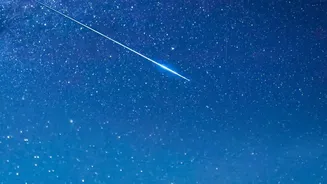
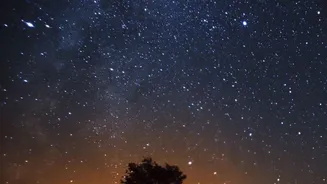
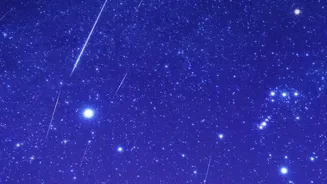
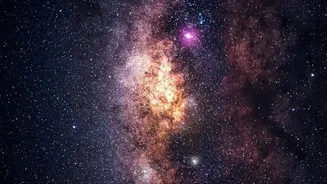
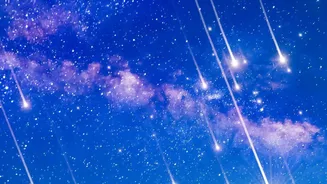
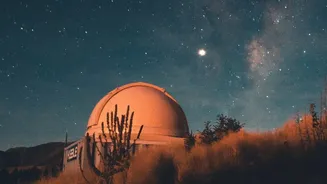
The best time for deep-sky observation arrives with the new moon around September 11-12. With no moonlight to wash out the sky, this is the perfect window to hunt for fainter objects. September is one of the last good months in 2026 to see the bright core of our own Milky Way galaxy from the Northern Hemisphere before it dips below the horizon until spring. For those with a clear view to the northeast, the constellation Cassiopeia is prominent, and from a dark site, you might even spot the faint, fuzzy patch of the Andromeda Galaxy. While no major meteor showers are expected, the minor September Epsilon-Perseids will peak around September 9 under excellent moon-free conditions, potentially producing a few shooting stars per hour for patient observers.
Tips for the Best Viewing Experience
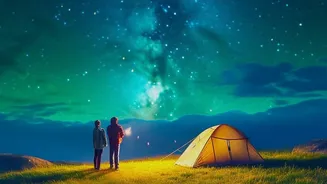
To make your stargazing truly memorable, a little preparation goes a long way. The most important step is to escape bright city lights. Post-monsoon months offer fantastic clarity, especially in high-altitude regions like Ladakh and Spiti Valley, or desert landscapes like the Rann of Kutch and Jaisalmer. Even a short drive away from urban centers can dramatically increase the number of stars you can see. Once you're at your spot, give your eyes at least 20 minutes to fully adapt to the darkness. Avoid looking at your bright phone screen, as it will ruin your night vision. Finally, don't forget to dress in layers; even on clear nights, the temperature can drop significantly.