



A Return to the Roots
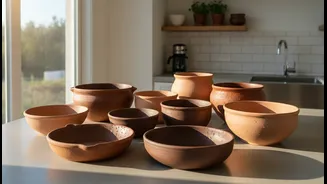
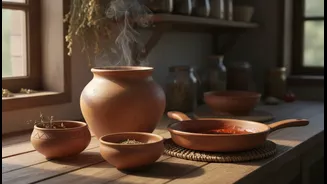
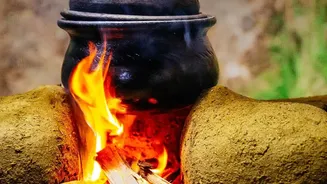
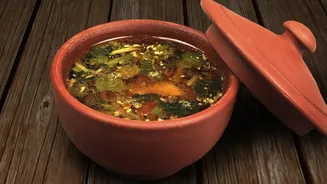
For generations, clay pots, known as handis or matkas, were the heart of the Indian kitchen. They were used for everything from setting curd and storing water to simmering flavourful dals and biryanis. This age-old practice, with roots tracing back to the Indus
Valley Civilization, was gradually replaced by stainless steel and non-stick pans. However, a growing awareness around health, sustainability, and a desire for authentic flavours is inspiring many to rediscover this tradition. This is more than just nostalgia; it's a conscious choice to embrace a slower, more mindful way of cooking that connects us to our heritage.
The Science of Slow Cooking
One of the most celebrated qualities of clay cookware is its ability to cook food slowly and evenly. Clay is porous, allowing heat and moisture to circulate throughout the vessel, which prevents scorching and eliminates hot spots common in metal pans. This gentle, uniform heating is perfect for slow-cooked dishes, helping to tenderise meats and vegetables while allowing spices to meld deeply into the food. The result is a dish with a richer flavour and softer texture. Furthermore, clay's natural insulation properties mean it retains heat for a long time, keeping food warm for hours after it has been taken off the stove.
Healthier Meals, Naturally
The health benefits of cooking in clay are a major driver of its revival. Unglazed clay pots are naturally alkaline, which helps to neutralise the pH of acidic ingredients like tomatoes, making food easier to digest. This slow cooking process also helps retain the moisture and nutrients in food, which can be lost with high-heat cooking methods. This means vitamins and minerals are better preserved. Another significant advantage is the reduced need for oil. The steam that circulates within the pot keeps food from sticking, allowing for healthier, lower-fat meals. Plus, pure earthenware is free from the chemical coatings found on some modern cookware, ensuring no harmful substances leach into your food.
An Earth-Friendly Kitchen Choice
In an era of increasing environmental consciousness, clay cookware stands out as a sustainable option. Sourced from the earth, these pots are completely natural and biodegradable. When they reach the end of their life, they can decompose back into the soil, unlike metal or synthetic pans that often end up in landfills. By choosing handcrafted clay pots, consumers are also supporting local artisans and preserving a craft that has been passed down through generations. This revival has provided a much-needed boost to potters, many of whom are seeing a surge in demand for their craft after years of decline.
Tips for Your First Clay Pot
Ready to try it yourself? Before its first use, a new clay pot needs to be seasoned. This typically involves soaking the pot and its lid in water overnight, which strengthens it and prevents cracking. When cooking, always start on low heat and increase it gradually to avoid thermal shock. For cleaning, avoid using harsh soaps or detergents, as the porous clay can absorb them. Instead, use hot water, baking soda, and a gentle scrub brush. With proper care, a clay pot can last a long time, becoming more seasoned and flavourful with each use.