


The Pollutants' Perfect Storm
First, it's essential to understand the pollutants themselves. The main culprit is PM2.5—fine particulate matter so small it can penetrate deep into the lungs and bloodstream. These particles come from a variety of sources. During the post-monsoon and early
winter period, smoke from agricultural stubble burning in neighbouring states like Punjab and Haryana is a significant contributor. This combines with year-round local emissions from vehicle exhausts, industrial activity, construction dust, and the burning of waste within the city. While these sources produce pollution throughout the year, the situation becomes critical when specific weather patterns emerge.
The Lid on the City: Temperature Inversion
The single most important factor trapping this pollution is a phenomenon called temperature inversion. Normally, the air closer to the ground is warmer and rises, carrying pollutants with it and allowing them to disperse higher in the atmosphere. However, during Delhi's winter nights, the ground cools rapidly, making the air near the surface colder and denser than the air layer above it. This warmer air acts like an invisible lid, preventing the colder, pollutant-laden air from rising. As a result, all the emissions from traffic, industry, and biomass burning get stuck at breathing level, unable to escape vertically.
No Wind, No Way Out
Temperature inversion traps pollutants vertically, and the lack of wind ensures they are not cleared out horizontally. Early winter in the Indo-Gangetic plains is often marked by calm, slow-moving winds. Wind speeds below 10 km/h are considered unfavourable for dispersing pollutants. Without strong winds to blow the smog away, the polluted air mass stagnates over the region for extended periods. The impact of stubble burning, for instance, is highly dependent on wind direction and speed; on calm days, even fewer farm fires can lead to a severe pollution episode because the smoke isn't transported away. This combination of a low 'mixing height' (the vertical limit for dispersal) and calm winds creates a meteorological prison for pollutants.
Humidity and Fog's Role in Smog
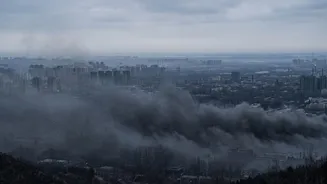
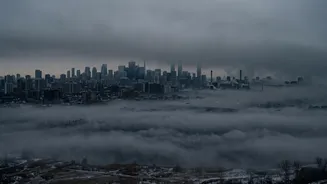
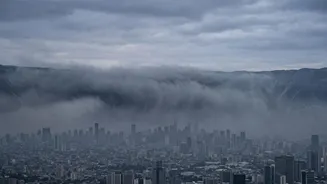
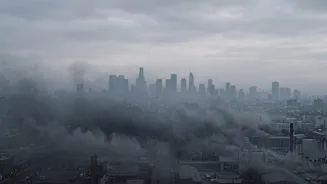
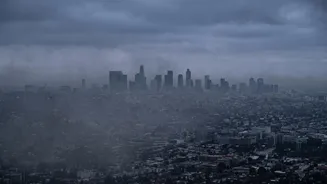
The final ingredient in this toxic cocktail is humidity. As temperatures drop, moisture in the air condenses, leading to fog. These water droplets can mix with the trapped pollutants—like soot, dust, and chemical aerosols—to form the thick, greyish-brown haze known as smog. This not only reduces visibility but can also make the particulate matter more harmful. The moisture allows particles to swell and can facilitate chemical reactions that form secondary pollutants, which are often more toxic. The result is the dense, choking smog that characterizes Delhi's worst air quality days, which persists until meteorological conditions change.