


Why You Can't Simply Share
The core issue lies in metabolism and physiology. Animals process chemicals and ingredients very differently than humans do. A substance that our liver can easily break down might be poisonous to a cat or dog, whose body may process it slowly, allowing
toxins to build up to dangerous levels. For instance, a dog's skin has a different pH balance than human skin, making our shampoos too harsh and capable of causing irritation and skin infections. Similarly, their smaller size means that even a tiny dose of a medication intended for a full-grown human can be a massive, life-threatening overdose for a small animal. This is why products are specifically formulated for pets—they are designed with their unique biological needs and sensitivities in mind.
The Medicine Cabinet Minefield
Your medicine cabinet is one of the most hazardous places for a curious pet. Common human pain relievers are a primary danger. Non-steroidal anti-inflammatory drugs (NSAIDs) like ibuprofen and naproxen can cause severe stomach ulcers and kidney failure in pets, even in small amounts. Acetaminophen is another major threat; it is especially toxic to cats, as a single tablet can damage their red blood cells and lead to liver failure. Other prescription medications, such as antidepressants, sleep aids, and ADHD medications, can cause serious neurological problems, including seizures, tremors, and dangerously elevated heart rates. Never give your pet any human medication without explicit instructions from your veterinarian.
Hidden Dangers in the Kitchen
Many common foods we enjoy can be toxic to our furry companions. Chocolate is a well-known culprit, containing theobromine, which dogs and cats cannot metabolize effectively. Darker chocolate is the most dangerous. Onions, garlic, and chives can damage a pet's red blood cells and cause anemia, with cats being particularly susceptible. Grapes and raisins, while their exact toxic component is unknown, can cause sudden kidney failure in dogs. One of the most severe threats is xylitol, an artificial sweetener found in sugar-free gum, peanut butter, and baked goods. In dogs, xylitol causes a rapid release of insulin, leading to a life-threatening drop in blood sugar (hypoglycemia) and potential liver failure.
Grooming and Cleaning Hazards
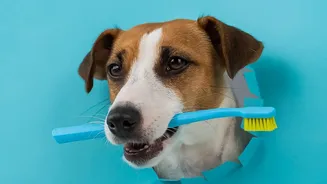
Using your own shampoo on your dog might seem harmless, but it's a bad idea. Human skin is more acidic than a dog's, and our shampoos are pH-balanced for our needs. Using them on a dog can strip the natural oils from their coat, leading to dry, itchy, and irritated skin that becomes vulnerable to infections. Even gentle baby shampoo is not ideal for regular use. Furthermore, many household cleaning products contain chemicals that can be harmful if licked off paws or fur. Always use grooming products specifically made for pets, and ensure any cleaning agents used in pet areas are certified pet-safe.
The Golden Rule: Ask Your Vet
The solution to avoiding these dangers is simple: always consult your veterinarian. If your pet seems unwell, is in pain, or needs grooming, your vet is the only qualified source for safe and effective solutions. They can diagnose the issue properly and prescribe medications and products at the correct dosage for your pet's specific size, species, and health condition. Self-diagnosing or offering a human product, no matter how well-intentioned, introduces a serious risk. Your veterinarian can recommend pet-specific shampoos, safe flea and tick treatments, and appropriate medications that are formulated for their unique physiology. Trusting their expertise is the most important thing you can do for your pet's health.