
A Return to the Roots
For years, the narrative of Indian food, especially in urban centres, was dominated by a handful of popular dishes. But a significant shift is underway. Across the country, a new wave of food festivals, pop-up kitchens, and restaurant menus are celebrating
the vast, untapped diversity of India's regional and community-specific cuisines. These events are moving beyond the well-known to spotlight hyper-local specialities, seasonal preparations, and, most importantly, heirloom recipes that were once at risk of being forgotten. It’s a culinary trend driven not by novelty, but by a deep-seated desire for authenticity and connection. Diners are increasingly curious about the stories behind their food, seeking meals that are tied to geography, climate, and culture.
The Custodians of Flavour
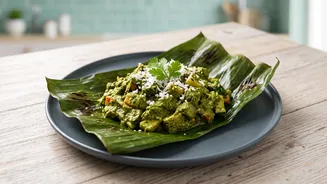
This revival is being led by a passionate group of chefs, home cooks, and cultural historians who have taken on the role of culinary custodians. Chefs like Vikas Khanna and Ritu Dalmia have been instrumental in researching and documenting disappearing food traditions, bringing them to a global audience. At the same time, a new generation of social media creators and home chefs are championing the everyday meals of their communities, from the Toppo sisters sharing Jharkhand's traditional delicacies to Shriya Shetty popularising Mangalorean food. These culinary archivists delve into old manuscripts, listen to family elders, and travel to remote villages to unearth recipes, preserving not just dishes, but the stories, memories, and techniques woven into them.
More Than Just Nostalgia
While nostalgia is a powerful ingredient, this movement is about more than just recreating the past. It represents a cultural reawakening. In an increasingly globalised world, many young, urban Indians are seeking ways to connect with their roots, and food provides a tangible, delicious link to their identity. Learning to cook a grandmother’s signature dish has become an act of cultural continuity. This trend has also been fuelled by a growing awareness of health and sustainability, with many rediscovering the nutritional benefits of traditional ingredients like millets and local, seasonal vegetables that had been overshadowed by modern food habits. The result is a modern interpretation of tradition, where old family recipes are adapted to fit contemporary, health-conscious lifestyles.
A Festival on a Plate
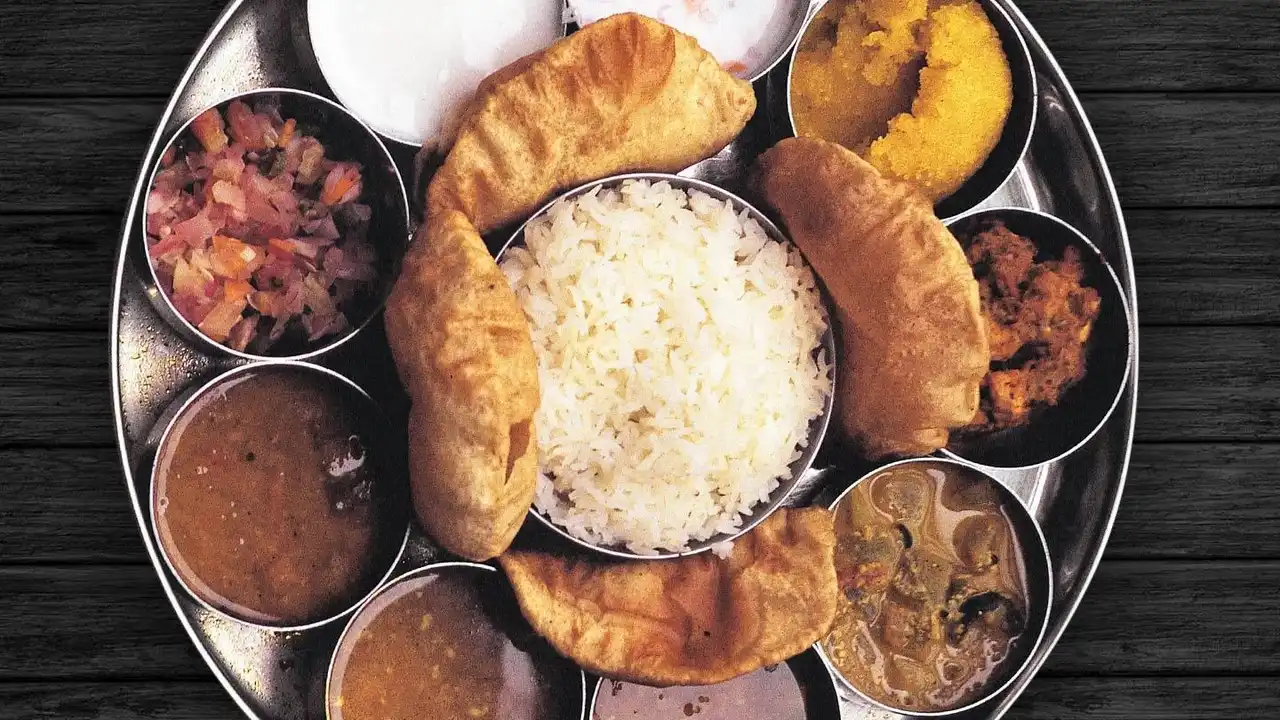
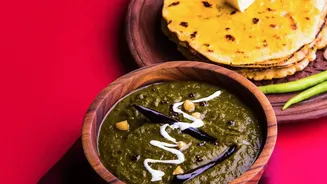
Food festivals have become the primary stage for this culinary renaissance, transforming local dishes into celebrated stars. Events like Delhi’s National Street Food Festival and pop-ups by restaurant groups like Loya are showcasing the richness of India's micro-regional cuisines, from Pahadi spiced salts to royal Maratha recipes. These festivals act as living museums, creating a space where culinary traditions are shared and celebrated by the community. They offer diners an opportunity to travel the country on a plate, tasting everything from Kashmir's Yakhni to Nagaland's smoked pork, all while learning the history behind each flavour. This public celebration turns private family recipes into a shared cultural heritage.
The Future of Indian Food
This rediscovery of regional and family recipes is reshaping the future of Indian cuisine. It’s a movement that champions authenticity over standardisation and values the stories embedded in our food. It challenges the notion that home-style cooking is too “ordinary” for the public sphere, instead elevating it as a source of pride and identity. As chefs and diners continue to explore the depths of India’s culinary heritage, they are ensuring that these precious flavours and the histories they carry are not lost. This isn't just about reviving old recipes; it's about defining what Indian food means today—a cuisine that is deeply rooted in tradition, yet constantly evolving.