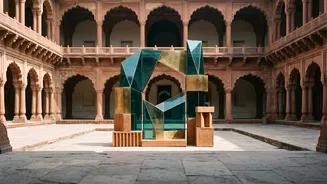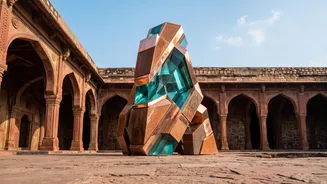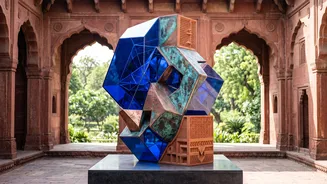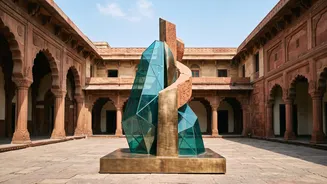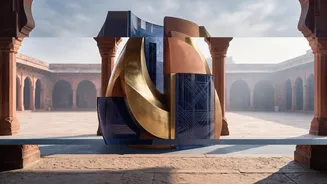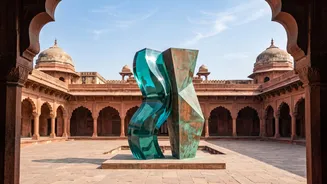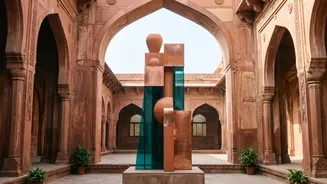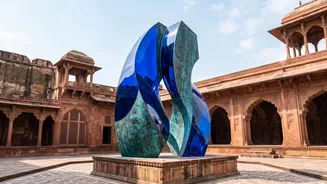




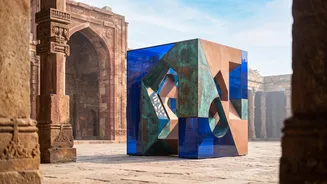
This December, Delhi isn't just a city; it's a canvas. Get ready for the India Biennale, a massive, multi-venue art celebration set to transform the capital into a living gallery, inviting everyone to experience art in a bold new way.
So, What Exactly Is a Biennale?
First things first,
what does 'biennale' even mean? It's Italian for 'every other year', and in the art world, it signifies a large-scale international contemporary art exhibition held every two years. Think of it as the Olympics of the art world. Cities like Venice and São Paulo have famous biennales that draw global attention, and now Delhi is stepping onto that prestigious stage. The India Biennale isn't just an exhibition confined to four white walls; it's a sprawling cultural festival. The goal is to bring art out of the galleries and into the public sphere, sparking conversations and making it accessible to everyone, from seasoned collectors to curious passersby. It’s an event designed to take the pulse of our current moment, reflecting on societal themes through the eyes of artists.
A City-Wide Canvas
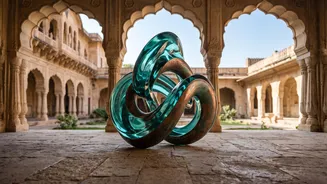
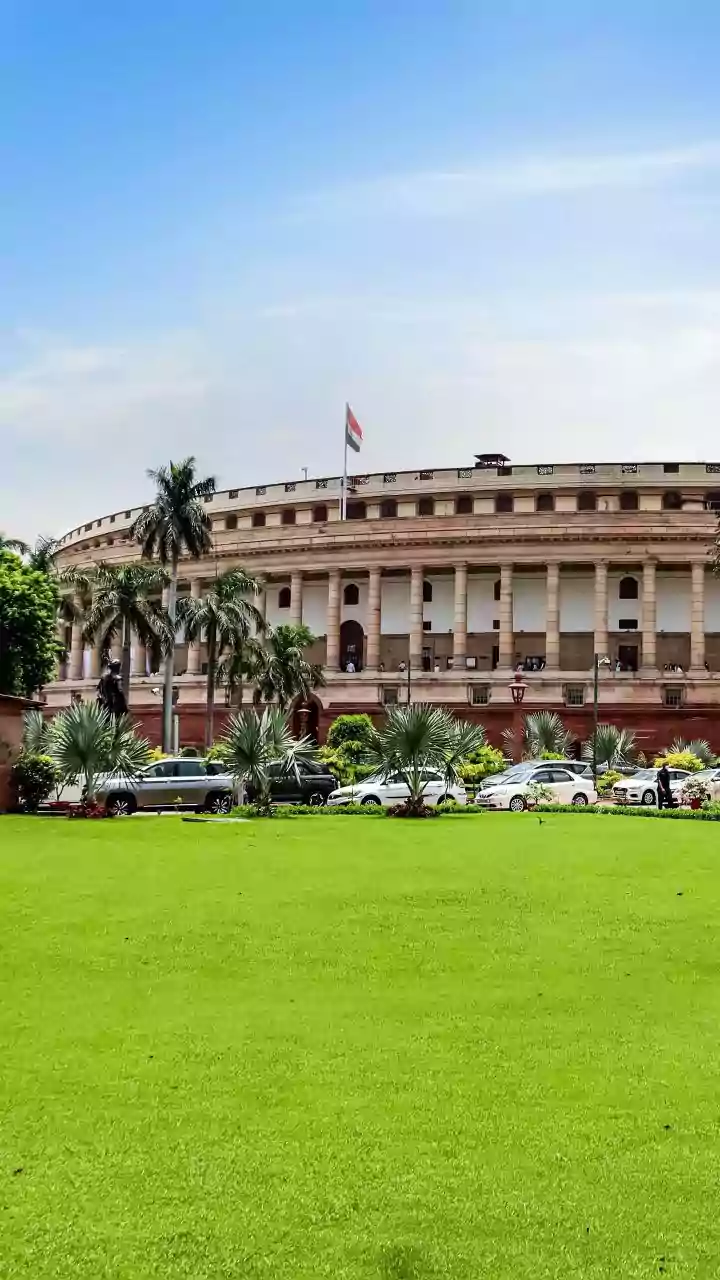
When the organizers say the biennale will be 'across Delhi', they mean it. The event is designed as a city-wide art takeover, connecting diverse neighbourhoods through a common creative thread. Major institutions like the National Gallery of Modern Art (NGMA) and the Kiran Nadar Museum of Art (KNMA) will serve as primary hubs, hosting large-scale exhibitions. But the real magic lies in the biennale’s satellite venues. Expect to see installations in historical sites like Bikaner House, repurposed industrial spaces in neighborhoods like Okhla, and even integrated into public parks such as the serene Sunder Nursery. This decentralized model encourages exploration, inviting attendees to journey through Delhi and discover art in unexpected corners, turning a simple visit into an urban adventure.
The Minds Behind the Vision
An event of this scale is guided by a distinct curatorial vision. This year’s edition is helmed by a team of acclaimed curators, led by art historian and writer Shweta Rao. Known for her focus on community engagement and South Asian art narratives, Rao's chosen theme is 'Urban Echoes: Charting the City's Pulse'. The theme invites artists to explore Delhi's complex identity—its layered history, its rapid modernization, and the chorus of voices that define its daily life. The curatorial team aims to move beyond a purely aesthetic showcase, instead fostering a dialogue about what it means to live, dream, and create within a megacity like Delhi today. Their approach promises an exhibition that is not just visually stunning but also deeply thoughtful and relevant.
Artists to Watch
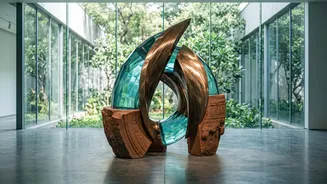
The India Biennale will feature a dynamic mix of over 100 artists, from Indian masters to emerging international talents. While the full list is still under wraps, early announcements have generated significant buzz. Look out for a major public installation by the renowned sculptor Subodh Gupta, whose work often elevates everyday objects into monumental statements. The lineup also includes celebrated international figures like Ai Weiwei, who is expected to present a new piece reflecting on migration and borders. Alongside these titans, the biennale will be a crucial platform for discovering the next generation of artists. Keep an eye out for video installations from rising stars of the Indian new media scene and interactive works that invite audience participation. The diversity of voices is a core strength, ensuring there is something to captivate every visitor.
How to Navigate the Art Extravaganza
With so much to see, tackling the India Biennale requires a plan. Organizers are expected to release a comprehensive guide and a dedicated mobile app closer to the opening date, complete with maps, artist information, and event schedules. Most exhibitions will be free to the public, though some special events or venues may require tickets. A good strategy is to focus on one or two zones per day to avoid feeling overwhelmed. For instance, you could spend a day exploring the institutional hubs in Lutyens' Delhi before venturing out to the satellite venues in South or East Delhi. The biennale isn't just about seeing art; it's also about the conversations that happen around it. Make sure to check the schedule for a rich program of artist talks, curatorial walk-throughs, workshops, and film screenings that will run parallel to the main exhibitions.