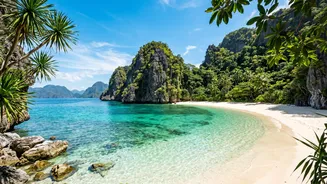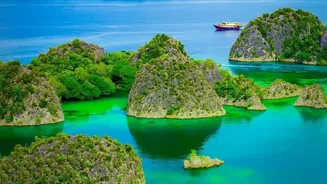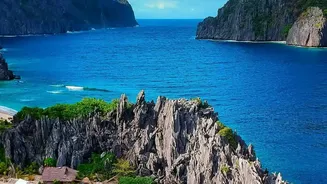





The Philippines, an archipelago of over 7,000 islands, is a dream destination. But sometimes, the most famous spots don't match the idyllic pictures. Smart travel isn't about avoiding popular places, but knowing which ones might be worth skipping.
The Famed White Beach: Boracay
Boracay's
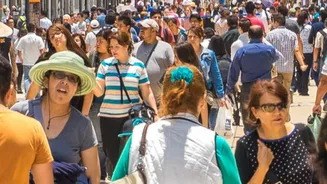
White Beach is legendary for its powder-fine, cool-to-the-touch sand. Following a major environmental rehabilitation, the island is cleaner but also more regulated and can be incredibly busy. In 2025, it drew over 2.1 million visitors, and the main stretches can feel more like a crowded promenade than a peaceful paradise. You can expect to be frequently approached by vendors, and the cost of accommodation and food is high by Philippine standards. While the beauty of the sand is undeniable, the experience can feel commercialised and far from a quiet tropical escape.
The Alternative: Siquijor or Romblon
For a more serene beach experience, consider Siquijor. Known as the 'Island of Fire', it offers a mystical charm with beautiful, quiet beaches, waterfalls, and a laid-back atmosphere that’s a world away from Boracay's hustle. Another fantastic option is the Romblon island group. These islands are the Philippines’ marble capital but remain off the main tourist trail, offering stunning, empty beaches, pristine snorkeling sites, and a chance to experience a more untouched corner of the country.
The Postcard Lagoons: El Nido, Palawan
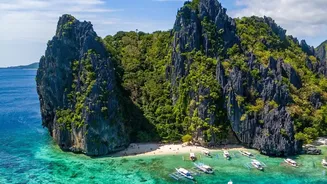
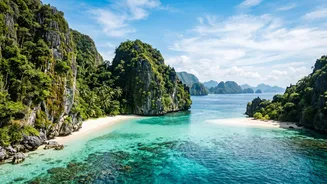
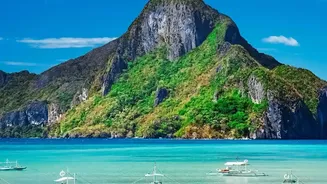
El Nido is the gateway to the breathtaking limestone karsts and turquoise lagoons of the Bacuit Archipelago. However, its fame has led to intense crowding. The standardized island-hopping tours (A, B, C, and D) mean you'll often be sharing a small lagoon with hundreds of other tourists, with boats jostling for position. While the scenery is truly world-class, the reality can be a noisy, crowded, and rushed experience that detracts from the natural wonder you came to see.
The Alternative: Port Barton or Coron
If you desire Palawan’s beauty without the crowds, head to Port Barton. This sleepy village offers a similar, laidback vibe to what El Nido was years ago, with its own beautiful islands and far fewer people on the tours. Alternatively, while Coron is also popular, its attractions are more spread out. It offers a different experience focused on dramatic lakes, snorkeling over WWII shipwrecks, and its own set of stunning, slightly less congested lagoons.
The Controversial Encounter: Oslob's Whale Sharks
Swimming with whale sharks is a bucketlist dream, and Oslob in Cebu offers nearguaranteed sightings yearround. This, however, comes at an ethical cost. The whale sharks are baited and fed by fishermen to keep them in the area for tourists. Marine biologists have widely criticized this practice for altering the sharks natural migration and feeding patterns, leading to nutritional deficiencies and injuries from boat contact. It is an artificial encounter, not a natural one.
The Alternative: Donsol, Sorsogon
For a truly ethical and wild whale shark experience, go to Donsol. Hailed as a model for sustainable tourism developed with the WWF, the encounters here are strictly managed. There is no feeding; instead, spotters search for sharks that naturally come to the planktonrich bay between November and June. Sightings aren t guaranteed, but when you do see a whale shark in Donsol, you are witnessing a wild animal in its natural habitat, which is a far more rewarding and responsible experience.
The Urban Entry Point: Manila
As the main international gateway, most travelers pass through Manila. However many find the infamous traffic, urban sprawl, and lack of postcardperfect beaches a reason to leave as quickly as possible. While the city has its charms particularly the historical walled city of Intramuros and a burgeoning food scene visitors on a tight schedule focused on nature may find their time is better spent elsewhere. For a short trip than hours spent in traffic can feel like a waste of precious vacation time.