
What Exactly Is Shokupan?
Shokupan is a type of soft white bread originating from Japan. The name literally translates to “eating bread,” signifying its role as a staple food. While bread isn't a traditional part of ancient Japanese cuisine, it became widely popular after World
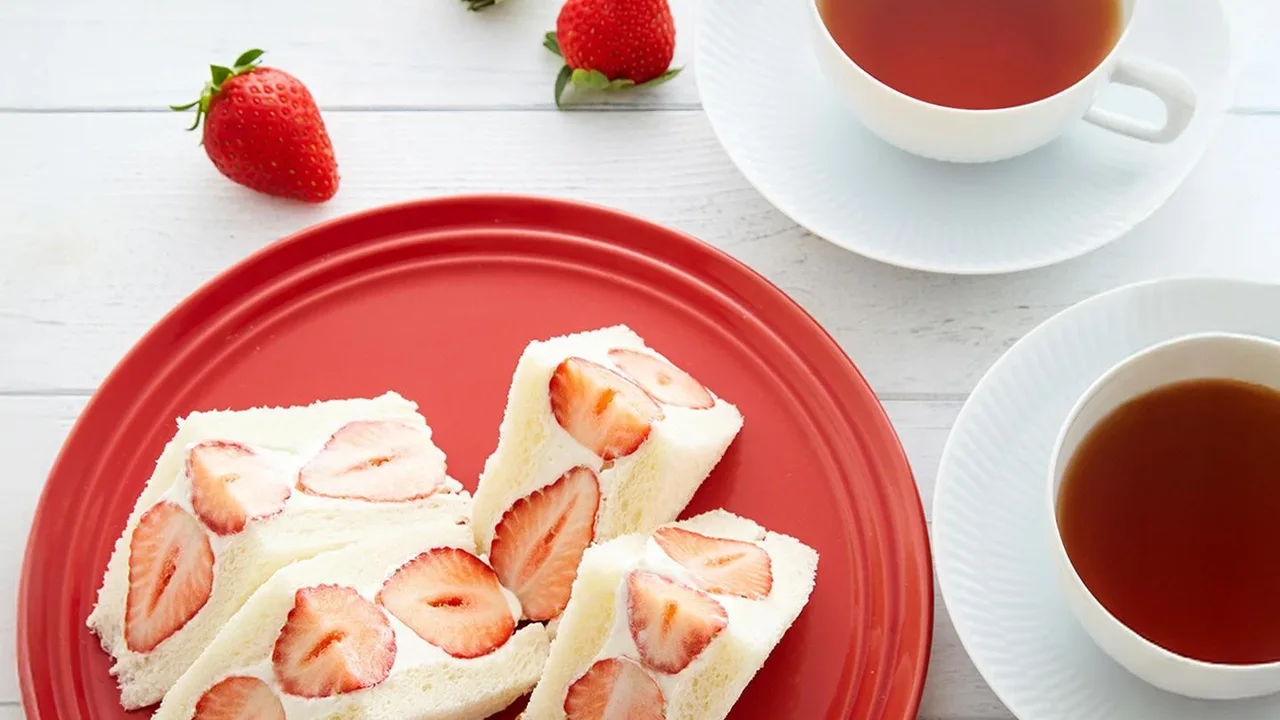
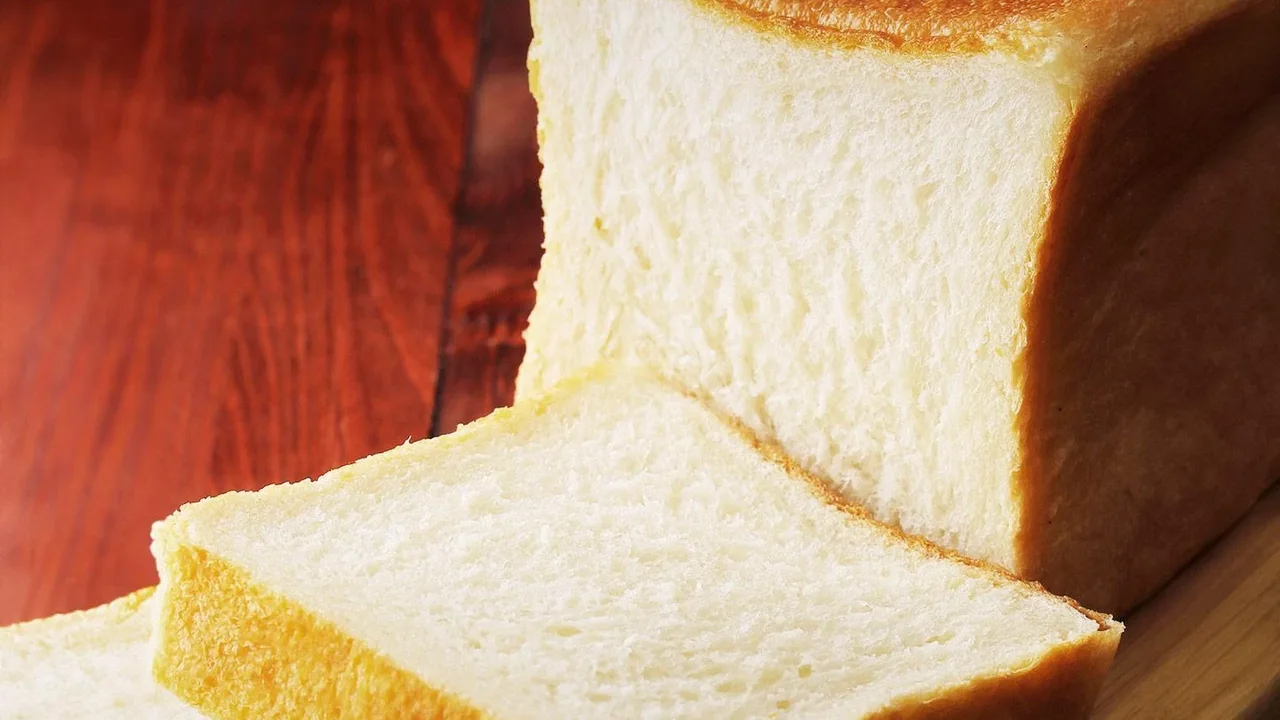
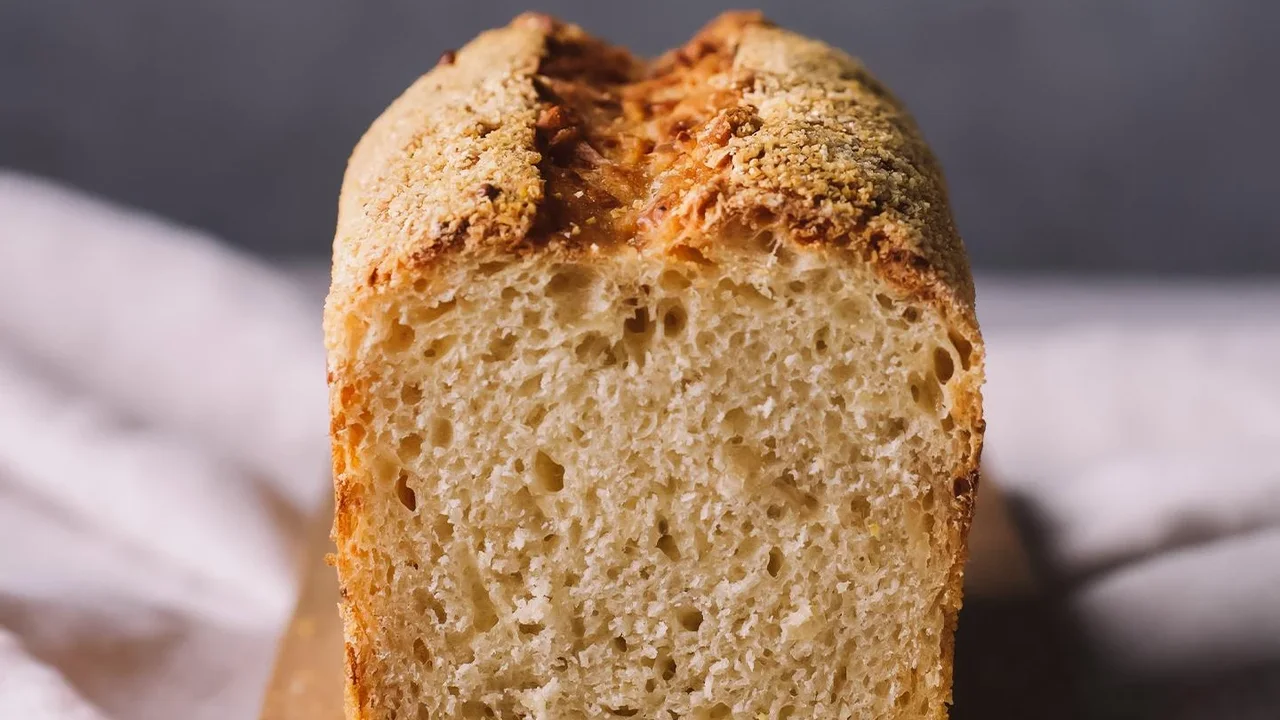
War II, and local bakers began adapting European techniques to suit Japanese palates, which favoured moist, bouncy textures similar to rice. The result was Shokupan: a loaf celebrated for its pillowy, fine-textured crumb and delicate crust. It’s often baked in a special rectangular lidded pan, which gives it its characteristic flat top and perfectly square slices. It’s the go-to bread for everything from thick-cut breakfast toast in classic coffee shops (kissaten) to the iconic fruit 'sandos' (fruit and cream sandwiches).
The Secret To Its Cloud-Like Softness
The magic behind Shokupan’s incredible texture lies in a special technique called either the ‘tangzhong’ or ‘yudane’ method. Both involve pre-cooking a small portion of the recipe's flour and a liquid (like water or milk) to create a thick paste or roux. This paste is then cooled and added to the main dough mixture. By pre-gelatinizing the starches in the flour, this method allows the dough to hold significantly more moisture. This increased hydration results in a bread that is exceptionally soft and tender, and also has a longer shelf life because it doesn't dry out as quickly as conventional loaves. The addition of milk, butter, and sometimes cream or honey also enriches the dough, contributing to its rich flavour and velvety texture.
A Different Kind of Delicious
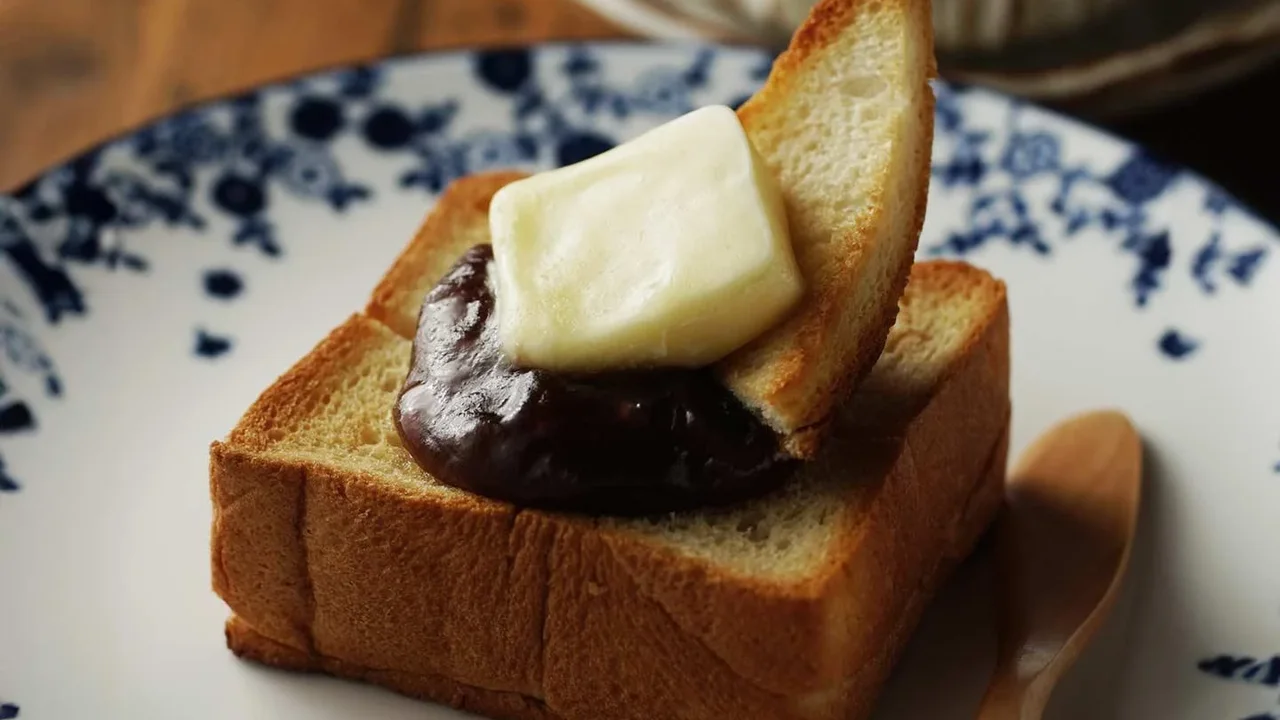
If your experience with bread is limited to crusty sourdough or standard sandwich slices, Shokupan offers a completely different experience. The flavour is mildly sweet and distinctly milky, making it delicious on its own. Unlike breads that are purely a vehicle for other ingredients, Shokupan’s taste is a key part of its appeal. The texture is its true calling card: it’s springy, chewy, and so soft you can easily pull it apart. When toasted, a thick slice of Shokupan achieves a perfect contrast—a lightly crisp, golden exterior giving way to a warm, steamy, and fluffy interior that melts in your mouth. It’s this unique combination of gentle sweetness and unparalleled softness that has people describing it as eating a cloud.
Finding Its Place in India
The global fascination with Japanese cuisine, from ramen to sushi, has paved the way for its bakery traditions to find a new audience. Aided by its photogenic appearance on social media platforms like TikTok and Instagram, Shokupan has become a trendy item in artisanal bakeries and cafes worldwide. This trend has arrived in India, with dedicated shops and bakeries now offering this Japanese loaf in metropolitan cities. For instance, a specialty shop in Delhi focuses entirely on crafting authentic Shokupan and turning it into inventive sandwiches, or 'sandos', with fillings ranging from mushroom melts to spicy paneer. As the Indian palate continues to expand, Shokupan is no longer an obscure delicacy but an exciting new option for breakfast, lunch, or a satisfying snack.