




The Ultimate Low-Maintenance Duo
In the world of indoor gardening, Pothos and Snake Plants are celebrated for one core reason: they are exceptionally forgiving. Both plants are perfect for beginners or busy individuals who might not have a green thumb. Their needs are minimal, allowing
you to reap the rewards of having greenery without a demanding care schedule. They tolerate a wide range of conditions, bounce back from occasional neglect, and thrive without constant attention. This resilience is what makes them 'reliable' — they are more likely to survive and look good even when you're focused on exams or deadlines rather than a complex watering routine. Overwatering, in fact, is often a bigger threat to them than underwatering.
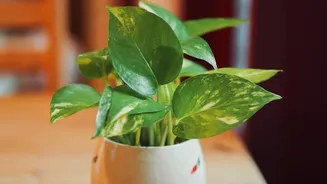
Pothos: The Trailing Superstar
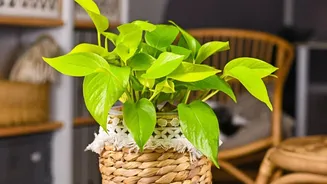
Often called Devil's Ivy, the Pothos (Epipremnum aureum) is beloved for its lush, heart-shaped leaves and trailing vines that can beautifully cascade from a shelf or the edge of a desk. It's famously adaptable to various light levels, capable of surviving in low-light office environments or with just the glow from fluorescent lamps. While it prefers bright, indirect light to maintain vibrant colour and growth, it won't give up on you in a dimmer corner. Variegated types might lose some of their patterns in low light, but the sturdy Jade Pothos with its solid green leaves is an excellent choice for less sunny spots. Its easy-going nature makes it a visual delight that asks for very little in return.
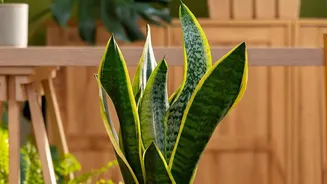
Snake Plant: The Unkillable Icon
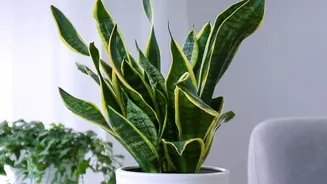
The Snake Plant (Dracaena trifasciata), with its striking, upright leaves, offers a strong architectural element to any study table. It is legendary for its ability to withstand neglect and is often called 'nearly impossible to kill'. This plant is highly tolerant of low light conditions, though it does best with steady, indirect light. Like the Pothos, its biggest enemy is too much water, as it is susceptible to root rot. You can often go weeks without watering it, especially in winter. A unique quality of the Snake Plant is its ability to perform a special type of photosynthesis that allows it to release oxygen at night, which some suggest makes it an ideal bedroom companion.
Breathing a Little Easier
Both plants are frequently mentioned for their air-purifying qualities. A well-known 1989 NASA study found that certain houseplants could remove common indoor toxins like formaldehyde and benzene from controlled environments. Pothos was noted for its ability to filter formaldehyde, benzene, and carbon monoxide. Snake plants are also recognised for absorbing toxins. While the real-world impact in a large, ventilated room may be modest, the psychological benefit of having natural 'air purifiers' on your desk is undeniable. The presence of greenery itself has been shown to reduce stress and improve focus, which is a clear win for any study area.
A Note on Safety
While these plants are reliable companions for your workspace, it's important to note that both Pothos and Snake Plants are toxic to cats and dogs if ingested. The plants contain compounds that can cause mouth irritation, drooling, and digestive upset in pets. If you have curious four-legged friends who might nibble on the leaves, it's best to place these plants well out of reach or consider pet-safe alternatives. For most human-centric study spaces, however, this is a non-issue, allowing their benefits to be enjoyed without concern.