





The Unseen Science of the Fill Line
That little line etched into your appliance isn't arbitrary; it’s a carefully calculated boundary designed by engineers. Its primary purpose is to account for displacement and expansion. When you add food to liquid, the level rises. When you heat or blend
ingredients, they expand or create a vortex. The fill line ensures there's enough empty space—known as headspace—to safely contain the contents as they move, boil, or mix. Ignoring it means you're gambling with physics, and the consequences can range from a messy countertop to a permanently damaged appliance or, in some cases, serious personal injury. Each machine has different needs, but the principle remains the same: respect the line, respect the machine.
Pressure Cookers: A Matter of Safety
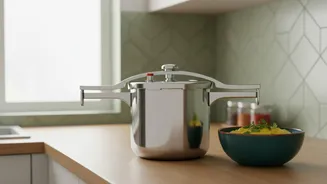
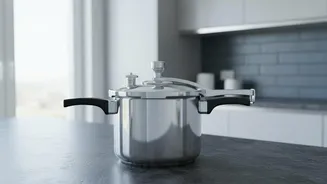
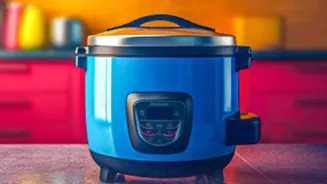
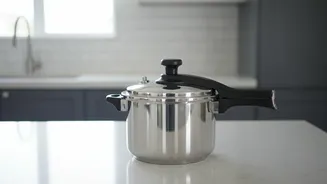
Nowhere is the fill line more critical than on a pressure cooker or multi-cooker. These devices work by using hot steam and intense pressure. Overfilling a pressure cooker, which should generally not be more than two-thirds full, is incredibly dangerous. Excess liquid and food can cause the pressure to build beyond the unit's safe capacity, potentially leading to failure of the safety valves. Food particles, especially from frothy items like beans or pasta, can clog the steam vents, preventing the cooker from releasing pressure safely. This can lead to a high-pressure explosion of scalding hot contents, causing severe burns and property damage. Even if it doesn't explode, overfilling results in mushy, flavorless food because the excess steam breaks everything down.
Blenders: Avoiding Splatter and Strain
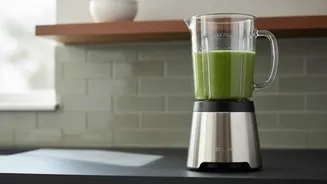
When you're making a smoothie or soup, it’s tempting to cram as much as possible into the blender. However, overfilling the jar prevents a proper vortex from forming, meaning the ingredients won't circulate effectively for a smooth blend. It can lead to a thick, inconsistent mix that requires stopping and re-blending in smaller batches. Furthermore, the pressure from the rotating blades can force the lid to pop off, especially with hot liquids which expand and create steam pressure. This can splatter the contents all over your kitchen. Over time, consistently overloading the blender puts significant strain on the motor and blades, which can cause the appliance to overheat and shorten its lifespan. For best results, never fill a blender more than about two-thirds or three-quarters full.
Washing Machines: For Cleaner Clothes and a Healthier Machine
Stuffing your washing machine to the brim is a false economy. When clothes are packed too tightly, they don't have room to agitate or move around. This means water and detergent can't circulate properly, leaving clothes dirty, smelly, or with detergent residue. An overloaded washer also puts immense strain on the motor and drum bearings, leading to loud banging noises during the spin cycle. This excessive wear and tear can cause the machine to break down, resulting in costly repairs. Over time, the trapped moisture and residue from inefficient rinsing can also lead to mold and mildew growth inside your machine, creating unpleasant odors.
Deep Fryers and Slow Cookers: Preventing Overflows
With deep fryers, the fill line is crucial for preventing dangerous boil-overs. The line accounts for the displacement that occurs when you add food to the hot oil. Overfilling can cause hot oil to spill over the sides, creating a serious fire and burn hazard. Similarly, a slow cooker should not be filled more than about three-quarters full. As food cooks over several hours, it releases its own juices. Overfilling can cause the liquid to bubble up and seep out from under the lid, creating a mess on your counter and potentially affecting the final texture of your dish. In both cases, the fill line is your guide to a safe and successful meal.