




The Instinct to Go Up
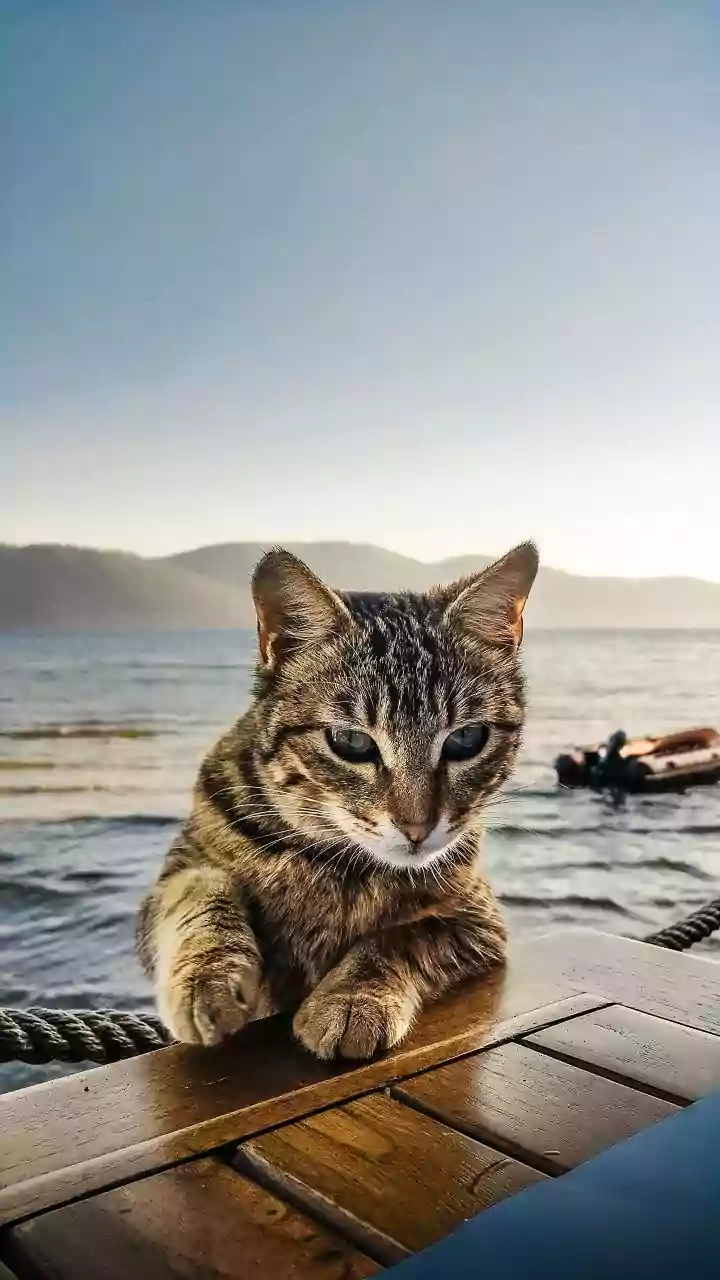
In the wild, cats are both predator and prey. Climbing serves a dual purpose: it provides a strategic vantage point from which to survey their territory and spot potential meals, and it offers a safe escape from ground-level threats. For our domesticated
indoor cats, these instincts remain deeply ingrained. A home without vertical space can feel flat, unstimulating, and even unsafe from a cat's perspective. By not having access to high perches, cats can experience stress, boredom, and a lack of confidence. They might express this through undesirable behaviours like scratching furniture or anxiety. A climbing scaffold isn't just a toy; it’s an essential piece of environmental enrichment that satisfies their core need to climb, observe, and feel secure.
Why Wood is a Superior Choice
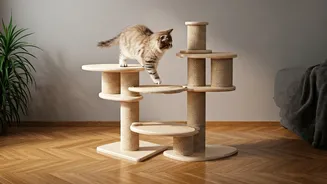
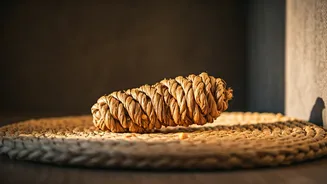
When browsing for cat trees, you'll find many options covered in carpet. While popular, these can be difficult to clean, trap dust and allergens, and wear out quickly, leading to shedding fibres. Multi-tier wooden climbing structures, on the other hand, offer several distinct advantages. Solid wood or high-quality plywood is incredibly durable and stable, which is crucial for a structure that needs to support a leaping, playing cat. Wood is also far easier to wipe clean, making it a more hygienic option for your home. Furthermore, the natural texture of wood provides a satisfying surface for cats to grip with their claws. Look for designs that incorporate sisal rope scratching posts, as this gives them an appropriate outlet for scratching, potentially saving your sofas and curtains from damage.
Choosing the Right Design
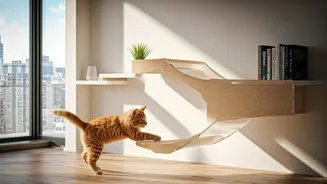
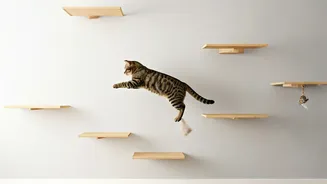
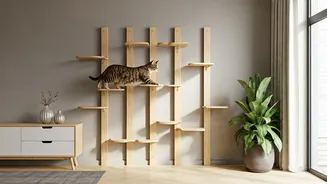
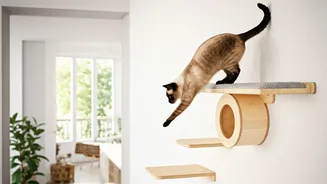
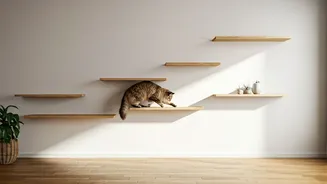
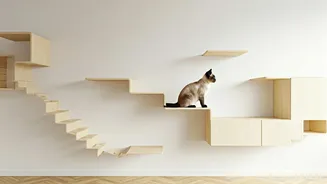
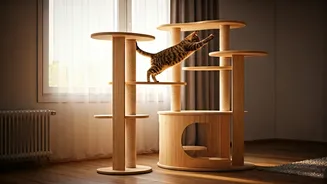
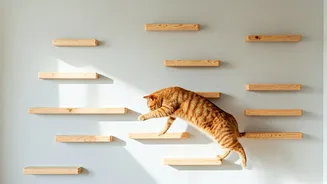
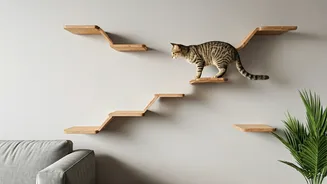
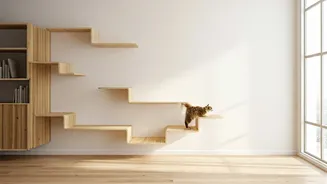
Not all climbing structures are created equal. The best designs are multi-tiered, offering various levels for your cat to explore. Look for a combination of perches, platforms, and enclosed cubbies or hammocks. This variety allows your cat to choose whether it wants to be out in the open, surveying its kingdom, or tucked away for a secure nap. Stability is the most important factor. The base should be wide and heavy to prevent any wobbling, especially if you have a larger or more energetic cat. Wall-mounted shelves and perches are a fantastic, space-saving alternative for smaller apartments. They can be arranged to create a 'cat highway' along the walls, turning unused vertical space into a dynamic playground.
Strategic Placement for Maximum Impact
Where you place the cat scaffold is just as important as the scaffold itself. A cat tree hidden away in a spare room will likely go unused. Cats want to be where the action is, but with a sense of security. Placing the structure in a corner of the main living room is often ideal. This allows them to observe the household's activities from a safe height. An even better spot is near a securely closed window. This provides what cat behaviourists call 'cat TV'—a safe and stimulating view of birds, people, and the world outside. Avoid placing the structure in narrow, high-traffic hallways where your cat might feel cornered or constantly disturbed. If you have multiple cats, providing more than one vertical structure can help prevent territorial disputes and ensure everyone has their own space.
Installation and Encouraging Use
Once you've chosen your structure, assembly and safety are paramount. For freestanding trees, ensure all screws are tightly secured and re-check them periodically. For wall-mounted systems, it is crucial to anchor them into wall studs, not just drywall, to ensure they can handle your cat's weight when leaping. After setting it up, your cat might be hesitant. Don't force them onto it. Instead, make it an appealing destination. Place their favourite blanket on a perch, leave a few high-value treats on different levels, or use a wand toy to entice them to climb and explore. A little bit of catnip sprinkled on the platforms can also work wonders. Patience is key; let them discover and claim their new vertical territory on their own terms.