



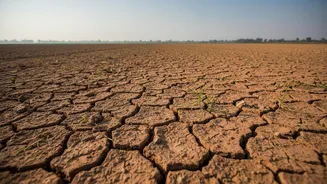

An Uneven and Unsettled Monsoon
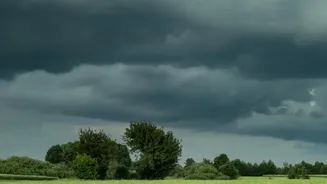
The 2026 southwest monsoon has been a story of contrasts. While it brought a surplus of rain to some areas in July, its overall performance has been marked by inconsistency. The India Meteorological Department (IMD) has forecast a below-normal monsoon for the
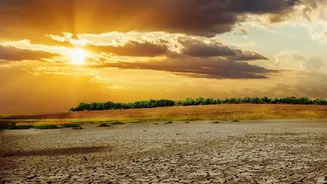
season, driven partly by strengthening El Niño conditions in the Pacific Ocean, which are historically linked to weaker rains in India. As of early August, the cumulative rainfall for the country remains below the long-period average. This deficit is not spread evenly; hundreds of districts have recorded significantly less rainfall than normal, creating pockets of drought-like conditions even as other regions contend with adequate showers. This patchiness is a major headache for agriculture, which depends on timely and well-distributed rainfall far more than on the national average figure.
Kharif Sowing Under Pressure
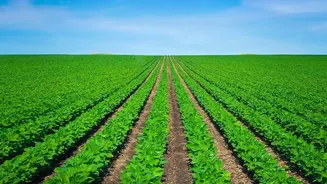
The erratic nature of the rains has had a direct impact on the crucial Kharif sowing season. While planting picked up pace in early August, the total area sown for key summer crops like rice, pulses, and oilseeds was still lagging behind last year's figures as of mid-August. Rice, the main Kharif crop, has seen its acreage decline, raising concerns about future production. The sowing of pulses and oilseeds has also been sluggish. This delay and deficit in sowing are critical because a significant portion of India's farmland is rain-fed, lacking access to irrigation. When the monsoon falters, farmers are unable to plant on time, which can lead to lower yields and, in some cases, a complete failure to sow.
From Paddies to Pulses: The Crops at Risk
The direct consequence of poor sowing is a potential shortfall in the supply of essential food items. A reduction in rice paddy acreage could tighten supplies of the nation's primary staple grain. Similarly, lower cultivation of pulses like arhar and moong, and oilseeds like soybean, directly translates to less dal and cooking oil available in the market later in the year. These are not just agricultural statistics; they are the building blocks of daily meals for millions. Already, prices for some vegetables have shown volatility. While a temporary spike in one or two items is common, a broad-based shortfall across staples like cereals and pulses due to a poor monsoon poses a more significant threat to household budgets. A weak harvest puts upward pressure on wholesale prices, a cost that is eventually passed on to consumers.
The Reserve Bank's Watchful Eye
Economists and policymakers are watching these developments closely. The Reserve Bank of India (RBI) has repeatedly flagged a weak monsoon as a key risk to its inflation forecasts. While overall retail inflation for July 2026 stood at 4.45%, food inflation was higher at 5.52%. This indicates that pressure is already building in the food category. The RBI's job is to maintain price stability, and a surge in food prices can quickly push overall inflation beyond its comfort zone of 2-6%. In its recent policy meetings, the central bank has kept interest rates steady but has highlighted that it remains vigilant about the monsoon's performance and its potential to fuel inflation. Proactive government measures, such as using buffer stocks of grains and managing imports, could help cushion some of the impact, but a significant production shortfall will be difficult to manage without some effect on prices.